Exercising to Maintain Muscle for a Healthy Golden Age
The Importance of Maintaining Muscle
To live a long and healthy life, what matters most is not your weight, but how well you maintain your muscle mass. Muscles are not only the source of your body's strength but also play a crucial role in protecting your joints and maintaining balance. Sufficient muscle strength can make your daily life significantly more comfortable. The foundation of a healthy life is strong muscles.
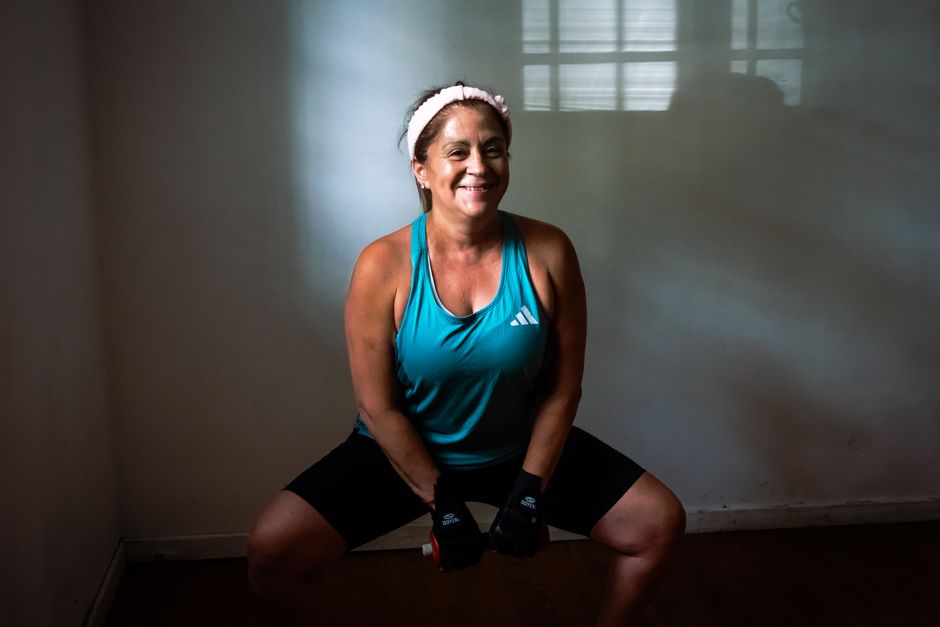
Strengthen Your Major Muscle Groups
Large muscle groups in your thighs, hips, and abdomen are key to supporting your entire body. If these areas weaken, your walking speed may decrease, and movements like climbing stairs or getting up from a chair can become increasingly difficult. Exercises that consistently engage these large muscles help maintain an active lifestyle. A strong lower body leads to overall body health.
Effective Full-Body Strength Training
Simply walking for long periods might not be enough to maintain muscle mass over time. Full-body strength exercises that engage multiple muscle groups simultaneously help stimulate muscles evenly and stabilize your core. Consistent practice is more important than the duration of your workout. Small daily efforts lead to significant changes.
Benefits of Strength Training
With solid muscle strength, the strain on your body during movement decreases, and your posture naturally improves. You won't tire easily even after standing or walking for extended periods, and your body will feel lighter in daily activities. The ability to move freely is your greatest asset for maintaining health.
Recommended Exercises
- Ankle Band Exercise: Wear an ankle band, stand straight, and cross your hands over your chest for balance. Slightly bend your knees, then extend your right leg straight back, and slowly return to the starting position. Repeat with your left leg. Benefits: This exercise intensely targets the glutes and hamstrings, aiding in hip lifting and strengthening the lower body.
- Step Box Exercise: Stand in front of a step box or a stable platform, with your hands crossed over your chest. Place your left foot on the step and lift your body, bringing your right knee up. Repeat the same movement with the opposite leg. Benefits: This strengthens your thighs and glutes, enhancing lower body power.
- Side-Lying Leg Raise: Lie on your right side, supporting your head lightly with your right hand. Keep your left leg straight, slowly lift it, and then lower it back down. Repeat the motion. Benefits: This strengthens the gluteus medius and outer thigh muscles, improving pelvic stability.
- Upper Body Strength Exercise: Stand with a dumbbell or water bottle in each hand, extending your arms straight above your head. Bend your elbows, slowly lowering your arms into a W shape, then extend them straight up again above your head. Benefits: This strengthens the muscles in your shoulders and upper back, enhancing upper body stability.
Conclusion
To live a long and healthy life, maintaining muscle mass is more crucial than body weight. Consistently training large muscle groups like your thighs, hips, and abdomen helps maintain the strength and mobility needed to support your body. Regularly performing full-body strength exercises that engage multiple muscles is also effective for improving posture and balance. Robust muscle strength is the most reliable foundation for an active daily life and a healthy golden age.