Controversy Over Overseas Medical Trainees Performing Surgeries
A social controversy is brewing following allegations that an overseas trainee, who does not possess a Korean medical license, performed surgery independently without the direct supervision of a responsible professor at a university hospital in Seoul. This incident highlights various issues within the medical community and can significantly impact the trust between patients and medical staff.
Why is it a Problem for Overseas Trainees to Perform Surgery?
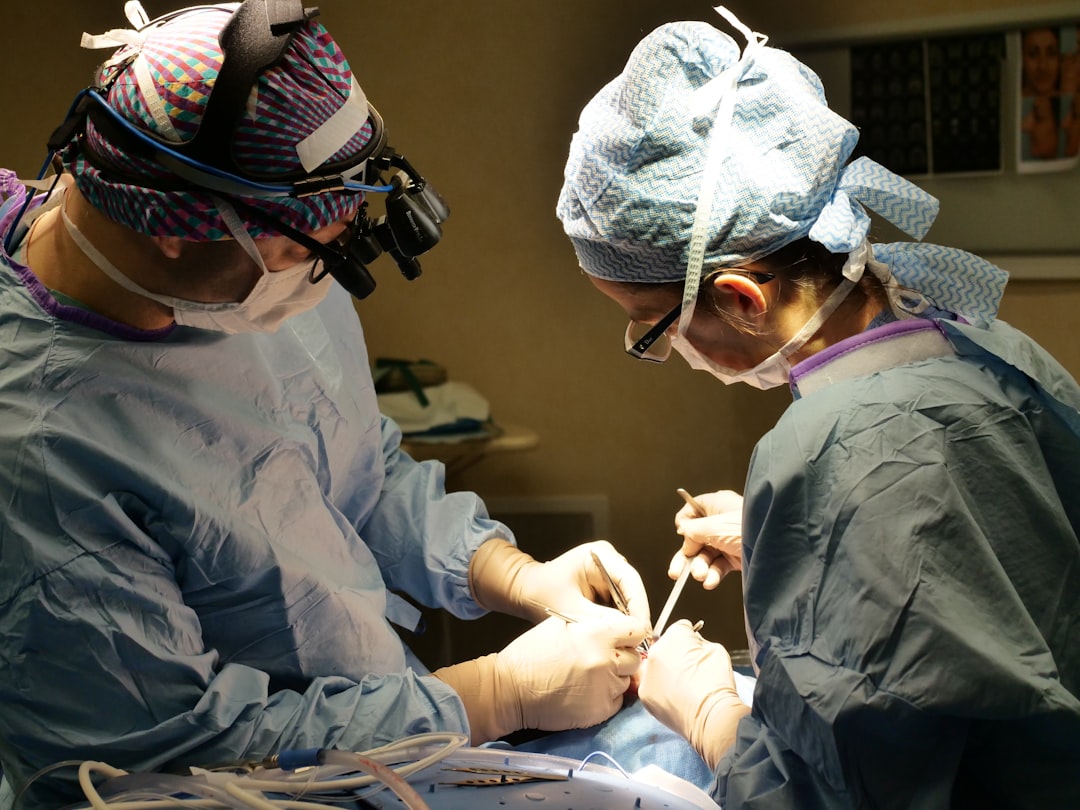
Currently, approximately 120 doctors from overseas, including those from the Middle East, are undergoing training at major university hospitals in Korea. In principle, they are only permitted to perform medical procedures within approved limits and under the supervision of a specialist holding a Korean medical license. However, it has been reported that some large university hospitals have allowed these trainees to conduct surgeries independently.
Problems with Surgical Operation Practices
At large university hospitals, professors often manage multiple operating rooms simultaneously due to the high patient volume. While the professor may only participate in the most critical stages of a surgery, the remaining procedures are handled by fellows or trainees, creating an opportunity for overseas trainees to perform surgeries on their own. This operational model benefits the hospital by allowing professors to manage more patients, but it leaves unresolved legal liability issues.
Patient Rights and Information Disclosure
The core issue is that patients are often not informed about these surgical operation practices beforehand. Many patients are unaware that their surgery might be performed by a fellow or a foreign trainee. Therefore, there is a need for institutional improvements, such as clearly stating the names and roles of participating doctors on consent forms and providing thorough explanations to patients before surgery.
Training Opportunities for Korean Doctors and Overseas Trainees
Furthermore, there are concerns that if renowned university hospital professors prioritize providing surgical opportunities to overseas trainees for personal reasons or due to national economic diplomacy, Korean doctors might lose out on valuable training opportunities. This could lead to many domestic medical professionals being unable to gain essential surgical experience during their residency or even abandoning their training altogether. Ultimately, this could result in a shortage of specialists in essential medical fields.
In the United States, for instance, foreign doctors are allowed to train, but their involvement is largely restricted to observation only. In Korea as well, a societal discussion is needed regarding the medical activities of overseas trainees. In this context, careful coordination is necessary to ensure that the training of overseas trainees does not infringe upon the educational opportunities for domestic medical professionals.
Finally, consideration must be given to how to inform patients and obtain their consent when fellows and overseas trainees participate in surgical procedures. To protect patient rights and enhance the reliability of the medical system, these issues must be addressed in depth.