Regaining Muscle Elasticity After 50: Effective Exercise Routines
50s and Beyond: The Need to Restore Elasticity
One of the most noticeable changes many people experience after hitting their 50s is a loss of elasticity throughout the body. Arms and legs can start to feel saggy, and posture may seem to collapse. Especially as activity levels decrease and muscles weaken, the strength supporting your body can diminish. Don't you find that movements that were once effortless now leave you feeling tired quickly? That's why, more than just weight loss, managing your body to restore muscle elasticity is becoming increasingly important.
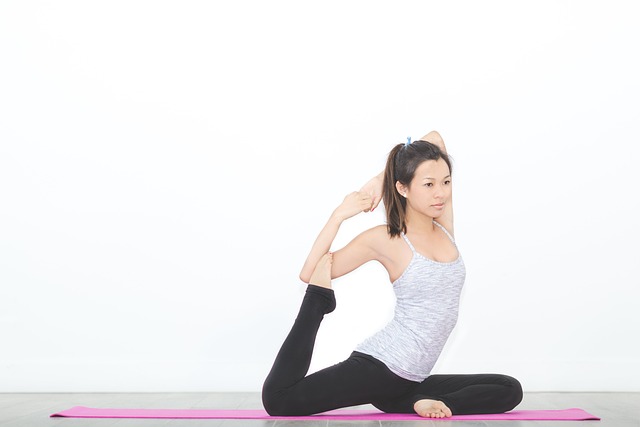
The Importance of Muscles and Anti-Aging
Muscles do more than just make your body look bigger; they play a crucial role in maintaining a stable core and transmitting power during movement. Particularly after age 50, muscle loss accelerates, often leading to a feeling of weakness starting in the lower body and core. If this continues, your posture can lean forward, making your entire body appear to sag. Recently, maintaining muscle mass has been increasingly emphasized as a key factor in slowing down the perceived rate of aging.
Body Transformations Through Exercise
Once you start regaining strength through consistent exercise, the first thing you'll notice is an improved sense of stability in your movements. You'll feel less wobbly when you walk and less of a sagging sensation even after prolonged activity. A stable lower body and core naturally lead to better posture, giving you a more vibrant overall appearance. This goes beyond just building muscle; it's a change that can lead to restoring the function of your entire body.
Effective Exercise Recommendations
Now, let me introduce a few effective exercises. These routines are designed to strengthen your lower body and core muscles, helping you achieve a well-balanced physique.
- Squats: Stand with your feet slightly wider than shoulder-width apart, toes pointed slightly outward. With your hands clasped in front of your chest, slowly lower your hips as if sitting back, then return to the starting position. This exercise evenly targets your thigh and glute muscles, aiding in toning your lower body.
- Plank: Lie face down on a mat with your arms extended overhead. Simultaneously lift your upper and lower body by reaching your fingertips and toes away from each other. This exercise is effective for strengthening the erector spinae and gluteal muscles.
- Leg Raises: Lie on your back with your knees bent at a 90-degree angle, lifting your legs into the air. Extend one leg straight out in front of you, then return it to the starting position. This exercise intensely targets the lower abdominal muscles, strengthening your core.
- Lunges: Stand with your feet hip-width apart, then step one leg back into a long stride, lowering your body. Keep your hands clasped in front of your chest to maintain core stability. This exercise helps to evenly develop your thigh and hamstring muscles.
After 50, a decrease in activity levels often coincides with muscle decline, leading to a common feeling of sagging in the arms and legs. When the muscles in your lower body and core weaken, your posture can suffer, and even small movements can feel exhausting. Conversely, remember that maintaining balanced muscle strength throughout your body leads to greater movement stability and more natural posture. It's becoming increasingly important to focus on restoring overall muscle function and elasticity rather than just weight loss. Shall we take the first step towards a healthier lifestyle together?