Effective Exercises for Muscle Recovery in Your 60s
As we reach our 60s, muscle loss can accelerate, making everyday movements feel more challenging than they used to. When major muscles like those in your thighs and glutes weaken, it can significantly impact your walking speed and overall stamina. That's why maintaining muscle mass is a crucial aspect of health management at this stage. Strength is the most reliable foundation for a vibrant life.
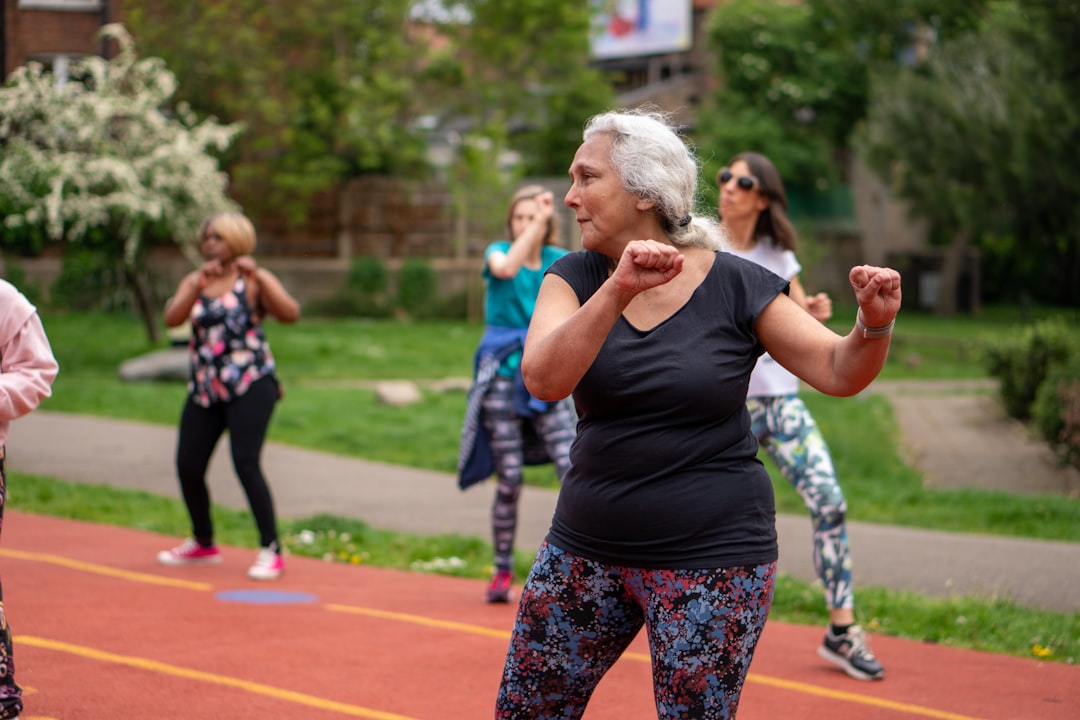
The Importance of Muscle
Muscles do more than just provide the power to move your body. They also protect your joints, maintain your balance, and support a wide range of daily activities with stability. Sufficient muscle strength makes activities like walking long distances or climbing stairs less strenuous. Strong muscles are your greatest asset for a healthy later life.
Effective Exercise Methods
To revitalize your muscles, it's more important to properly engage your large muscle groups than simply increasing workout duration. Full-body strength exercises that utilize your thighs, glutes, and core simultaneously can stimulate multiple muscles, leading to efficient workout results. Even short, consistent repetitions can bring about physical changes.
Recommended Exercises
-
Leg Abduction with Resistance Band: Stand tall and engage your core. Slowly lift your right leg out to the side and lower it back down. Repeat on the left leg after completing the right side.
- Benefit: Strengthens the gluteus medius and outer thigh muscles, improving pelvic stability and lower body balance.
-
Calf Raises: Stand on a mat with your feet hip-width apart. Slowly raise your heels as high as possible, hold the contraction in your calf muscles, and then slowly lower back to the starting position.
- Benefit: Strengthens calf muscles, enhancing lower body endurance and propulsion.
-
Wall Push-ups: Stand facing a wall or a stable inclined surface, placing your hands shoulder-width apart on the wall. Bend your elbows and slowly bring your body closer to the wall.
- Benefit: Strengthens chest, shoulders, and triceps, building upper body strength.
-
Squat Practice: Stand in front of a sofa or chair with your feet slightly wider than shoulder-width apart. Push your hips back and slowly lower yourself as if to sit, lightly touching the edge of the seat, then push through your feet to stand back up.
- Benefit: Strengthens quadriceps and glutes, improving lower body strength and helping to master proper squat form.
-
Step Box Training: Stand in front of a step box or a stable platform. Step up with your right foot, followed by your left. Step down with your right foot, then your left, returning to the starting position.
- Benefit: Evenly works the quadriceps, glutes, and hamstrings, enhancing lower body strength and endurance.
Consistency is Key
In our 60s, muscles can diminish rapidly, and weakened thigh and glute muscles can lead to a decline in stamina and mobility. However, muscles are not just for moving; they play a vital role in protecting joints and maintaining balance. Consistently practicing full-body strength exercises that engage your thighs, glutes, and core can significantly help in maintaining muscle strength and improving your activity levels.
Consistent strength management provides a solid foundation for stable movement and a vibrant retirement. Start with small exercises today!