The Fatty Bits of Pork Belly: What's Their Impact on Your Health?
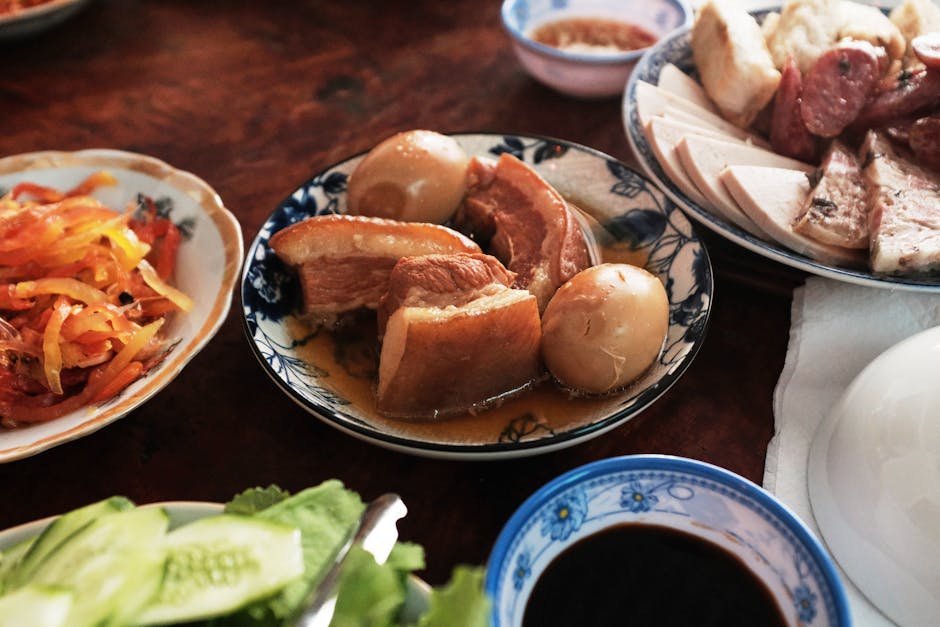
The Fatty Bits of Pork Belly: What's Their Impact on Your Health?
Recently, LG Group Chairman Koo Kwang-mo's act of trimming pork belly went viral online. This wasn't just about cutting meat; it sparked a renewed reflection on our common perceptions of pork belly. Specifically, concerns about the health implications of the fatty parts are surfacing. So, what exactly is the impact of pork belly fat on our health?
Nutritional Value of Pork Belly Fat
The fatty parts of pork belly are often what people try to avoid. However, this fat is actually quite nutritious. About 57% of pork fat consists of unsaturated fatty acids, which can have positive effects on our health. Unsaturated fats help protect heart and blood vessel health and are crucial for maintaining brain function. They also play a vital role in regulating inflammation and forming cell membranes. Interestingly, some studies suggest that unsaturated fats can even help remove harmful substances like heavy metals.
The Downside: Saturated Fats
However, we can't overlook the drawbacks of fatty bits. 38% of pork fat is made up of saturated fatty acids, which can lead to increased cholesterol levels if consumed excessively. While cholesterol levels might rise in the short term, it can put a strain on the heart and blood vessels in the long run, potentially increasing the risk of fatty liver disease. The National Cancer Information Center has also identified saturated fats as one of the risk factors for colorectal cancer.
Who Should Avoid Pork Belly Fat?
While moderate amounts of fat can be beneficial, certain individuals should exercise caution. People with high LDL (low-density lipoprotein) cholesterol levels, those with poor kidney or liver health, and individuals with metabolic diseases should moderate their intake of fatty pork belly. Experts recommend that fat intake should ideally account for 15-30% of your total daily energy consumption. As a rough guideline, consuming around 1 gram of fat per kilogram of body weight per day is advisable.
Alternative Menu Options?
If controlling the amount of fat in pork belly is challenging, opting for alternative dishes is a great strategy. Bossam (boiled pork wraps) and Jokbal (braised pig's trotters) are excellent alternatives where you can reduce fat intake. The boiling or braising process helps render out much of the fat, and you can still benefit from the abundant collagen in the pork skin. Additionally, chicken and duck are meats with the highest proportion of unsaturated fatty acids, which can aid in weight management and muscle building.
In conclusion, while the fatty parts of pork belly can offer health benefits, it's crucial to manage your intake based on quantity and your individual health status. Getting regular health check-ups to understand your condition accurately and consulting with a professional when necessary is the wisest approach. So, what kind of meat will you be having for dinner tonight?