Strengthen Your Core: Exercises for a Healthier Back
Are you experiencing frequent back stiffness or a feeling of your body collapsing inward the longer you sit? This is becoming increasingly common. Modern lifestyles, with prolonged sitting, often lead to reduced usage of the abdominal and spinal support muscles. While it might feel like simple fatigue, it's often a sign of weakened core muscles that support your body. When these muscles lack strength, your posture can easily falter, placing extra strain on your back. That's why the importance of core muscles is being increasingly emphasized in managing back pain.
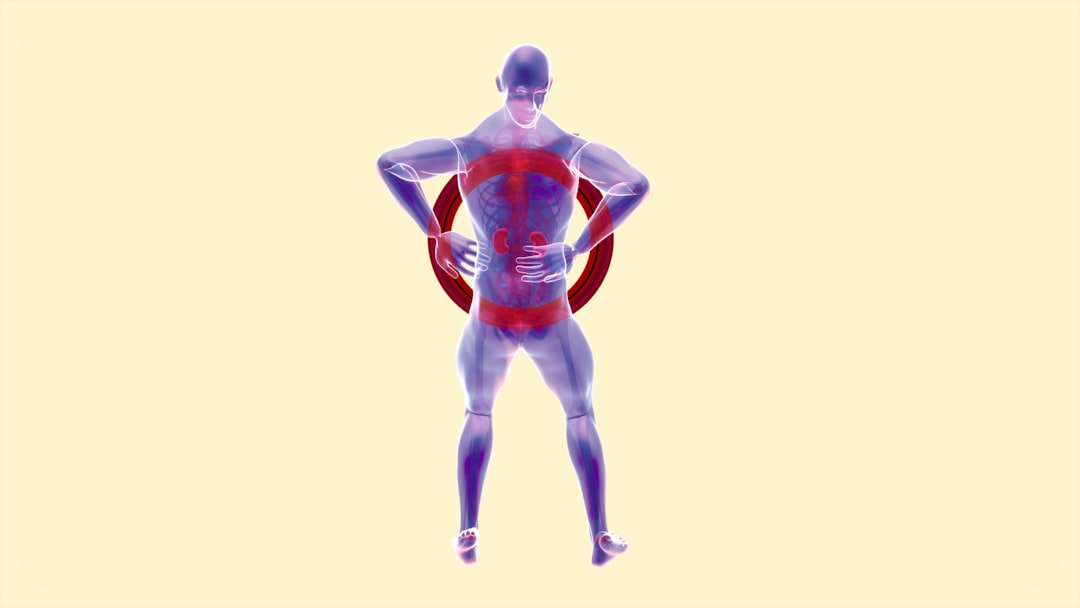
The Role and Importance of Core Muscles
Your core muscles do more than just firm up your abs. They play a crucial role in stabilizing your spine and minimizing sway during movement. A weak core can lead to excessive tension in your lower back or concentrate pressure on specific areas. Conversely, a stable core leads to smoother movements and helps prevent your body from slumping, even after long periods of sitting. Activating these central muscles is now considered key for posture correction and back health management.
The Significance of Muscles Around the Spine
The muscles surrounding your spine may not be visible, but they are vital for maintaining your body's overall balance. When these muscles are weak, your back can easily fatigue with minor movements, and your posture is more likely to lean forward. This is especially true for individuals over middle age, as muscle loss accelerates, often leading to reduced back support. Ultimately, an unstable core can create a domino effect, increasing strain on your neck, shoulders, and pelvis. Therefore, focusing on strengthening spinal stability alongside abdominal exercises is gaining significant attention.
Core Strengthening Exercises
Once your core muscles start engaging, you'll notice a difference in your overall movement efficiency. For example, try getting into a tabletop position, supporting yourself on your forearms and knees. Then, slowly extend one leg straight back, lifting it without bending your knee. This targets your glutes and hamstrings, helping to tone your hips and improve lower body elasticity. Another effective exercise is the plank, where moving your legs diagonally can stimulate your core muscles and enhance your central strength.
- Tabletop Position: Squeeze your glutes and lower one leg, then repeat with the opposite leg.
- Plank: Stimulates the abs and core, improving lower body stability.
- Elbow Plank: A full-body exercise engaging the shoulders, arms, and chest, enhancing overall endurance.
- Balancing Act: Extend one leg back while alternating arm movements in front of your chest.
Why Core Muscle Maintenance is Essential
Prolonged sitting reduces the engagement of abdominal and spinal support muscles, leading to back stiffness and a feeling of instability. A weak core can cause poor posture and increase strain on the spine and pelvis. However, a stable core can positively impact movement efficiency and balance. The muscles around your spine are crucial for supporting your entire body's posture, making consistent engagement vital, especially after middle age. This is why management strategies that focus on restoring core stability and back support, rather than just abdominal exercises, are receiving more attention.