Caution with Bananas and Mixed Grains When Kidney Function Declines
The Importance of Diet Control with Declining Kidney Function
Many of you may have recently chosen mixed grain rice over white rice and started enjoying bananas for breakfast after a health check-up. While these changes can be good for your health, caution is advised when kidney function is impaired.
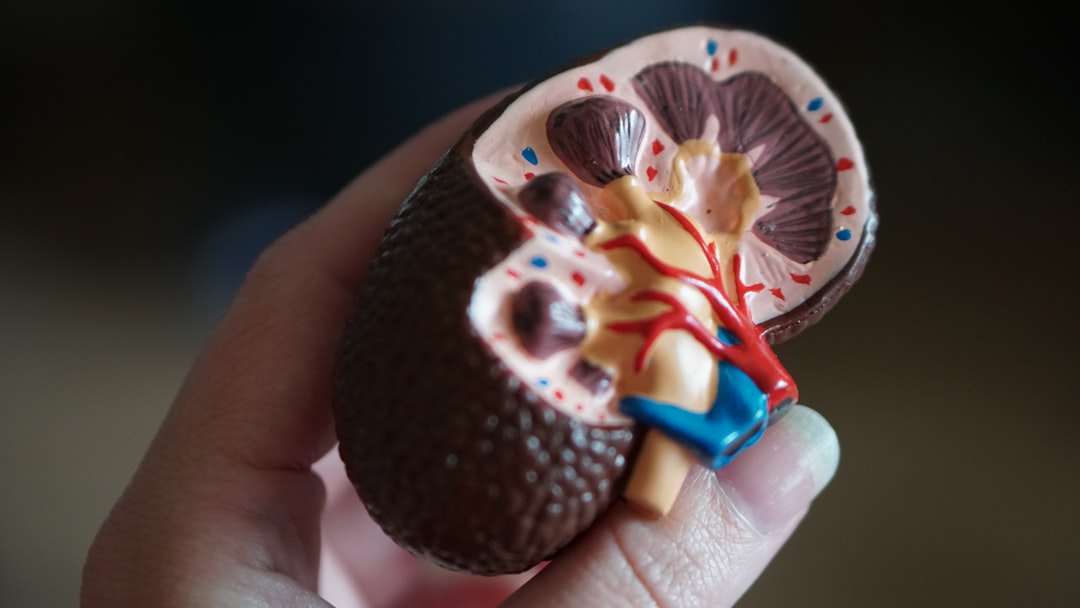
This is because bananas and mixed grain rice can be a burden for individuals with reduced kidney function. Bananas and mixed grains are rich in potassium and phosphorus. While these are essential nutrients for healthy individuals, they can accumulate in the blood and lead to hyperkalemia or hyperphosphatemia in those with impaired kidney function.
Foods to Be Cautious About When Kidney Function is Low
If your kidney function has dropped to less than 15% of normal, you must strictly limit your intake of bananas and mixed grain rice. In particular, potassium is a crucial electrolyte that regulates heart rhythm and muscle contractions. Healthy kidneys excrete excess potassium through urine, but this process becomes difficult when kidney function is compromised.
- Bananas: High in potassium, they can raise blood potassium levels.
- Mixed grain rice: High in phosphorus, it can increase blood phosphorus levels.
- Corn silk tea: High in potassium, it can increase the risk of hyperkalemia.
Alternative Foods for Kidney Health
If you are concerned about your kidney health, consider the following foods. They have relatively lower potassium content and are less burdensome.
- Cabbage, broccoli, cauliflower: These vegetables are low in potassium and are best consumed when cooked until tender.
- Garlic and onions: They help reduce the habit of eating salty foods and are rich in antioxidants.
- White rice: Lower in potassium and phosphorus than mixed grain rice, it can be a safe alternative.
- Egg whites: Provide high-quality protein while being low in phosphorus.
Additionally, fluid intake should be managed. While adults generally consume 1.5-2 liters of water per day, this can vary for individuals with chronic kidney disease depending on their weight and condition.
In Conclusion
Even foods known for their health benefits can affect individuals differently depending on their kidney function. Therefore, it is more important to consider your own kidney function rather than blindly following recommendations. Choosing foods that suit your body's condition while maintaining a healthy diet is the first step towards protecting your health.