Foods and Tips to Keep Your Vascular Age Young
Foods and Tips to Maintain Vascular Health
If you experience frequent swelling, especially if you have a lot of visceral fat, it might be a sign that your blood vessels need attention. Blood vessels are crucial pathways that transport blood and oxygen throughout our bodies. However, when triglycerides or cholesterol accumulate in your blood vessels, it can lead to blood clots, obstructing blood flow. This narrows the vessels, preventing blood from circulating smoothly.
Deteriorating blood vessels increase the risk of cardiovascular diseases. Poor lifestyle habits are particularly detrimental to vascular health. Consuming a diet rich in fatty and spicy foods, coupled with a lack of exercise, can easily lead to obesity or hyperlipidemia, which in turn can result in cardiovascular issues. Furthermore, a habit of frequently eating spicy and salty foods can lead to high blood pressure.
Foods That Harm Your Blood Vessels
To maintain vascular health, it's advisable to reduce your intake of foods high in saturated fats and cholesterol. Here are some examples:
- Fatty meats like pork belly, ribs, and chicken skin
- Snacks such as instant noodles, chips, cakes, cream, and ice cream
- Fish roe and internal organs (e.g., pollack roe, sea cucumber roe)
- Organ meats (e.g., liver, tripe)
Beyond food choices, cooking methods are also important. Opting for baking, steaming, or boiling is much healthier than frying or pan-frying. Additionally, practicing a low-salt diet by reducing your sodium intake significantly benefits vascular health. According to a U.S. study, participants who followed a low-salt diet showed a notable decrease in their blood pressure levels.
Foods That Benefit Your Blood Vessels
On the other hand, many foods are beneficial for vascular health. It's recommended to consume foods rich in unsaturated fats, complex carbohydrates, and allicin. The following foods have a positive impact on your blood vessels:
- Oily fish like salmon, mackerel, croaker, and saury
- Foods high in unsaturated fats such as olive oil, canola oil, perilla oil, and soybean oil
- Complex carbohydrates rich in dietary fiber, like barley and brown rice
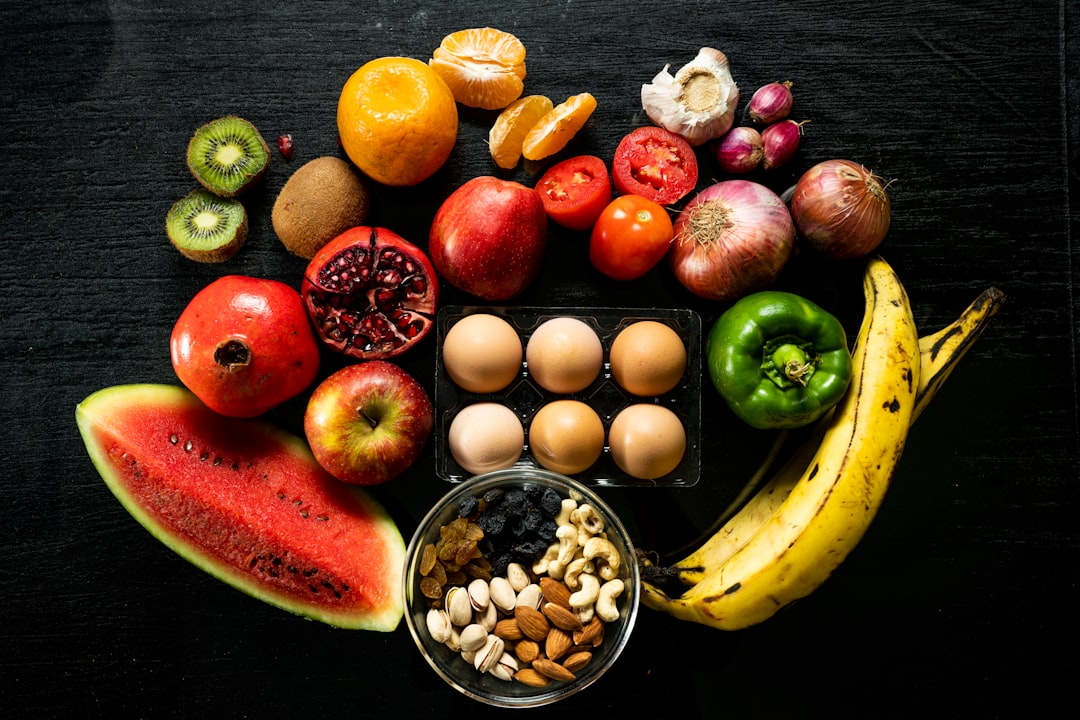
- Foods abundant in allicin, such as garlic and onions
Garlic, in particular, is effective in lowering cholesterol levels and preventing blood clot formation. Studies have shown positive effects of garlic on patients with hypercholesterolemia, so consider incorporating it into your diet!
Frequently Asked Questions
Q1. What effect does consuming too much salt have on blood vessels?
A1. Excessive sodium intake can lead to increased blood pressure, putting strain on blood vessels and raising the risk of cardiovascular diseases.
Q2. Is consuming a lot of sugar bad for vascular health?
A2. Yes. Excessive intake of added sugars can worsen vascular health by contributing to obesity, diabetes, and increased triglyceride levels.
Q3. Are nuts always good, no matter how much you eat?
A3. While nuts are rich in healthy fats, they are also high in calories. A handful (about 20-30g) per day is generally recommended.
Q4. Are eggs bad for vascular health?
A4. For most healthy individuals, moderate egg consumption is fine. However, if you have cardiovascular disease or hyperlipidemia, it's best to consult with a healthcare professional to determine your appropriate intake.
Q5. Does coffee help with vascular health?
A5. Moderate coffee consumption without excessive sugar and cream is generally not an issue for most people, and some studies have reported a positive association with cardiovascular health.
Q6. How much water should I drink?
A6. Adequate hydration supports blood circulation and overall health. The amount of water needed varies depending on age, activity level, and climate.
Q7. Is alcohol okay for vascular health?
A7. Excessive alcohol consumption is linked to increased blood pressure and a higher risk of cardiovascular diseases. If you don't drink, there's no health benefit to starting.