Hard vs. Soft Peaches: A Comparison of Taste and Benefits
Hard Peaches vs. Soft Peaches: Which Should You Choose?
When choosing peaches, many people ponder between two main types: hard peaches (ttakbok) and soft peaches (mulbok). These two varieties have distinct characteristics and flavors, making the choice a bit tricky. Hard peaches have a firm, crisp texture, while soft peaches offer a juicy, melt-in-your-mouth experience. However, the differences extend beyond texture to include ripening processes, nutritional content, storage methods, and how they are best enjoyed.
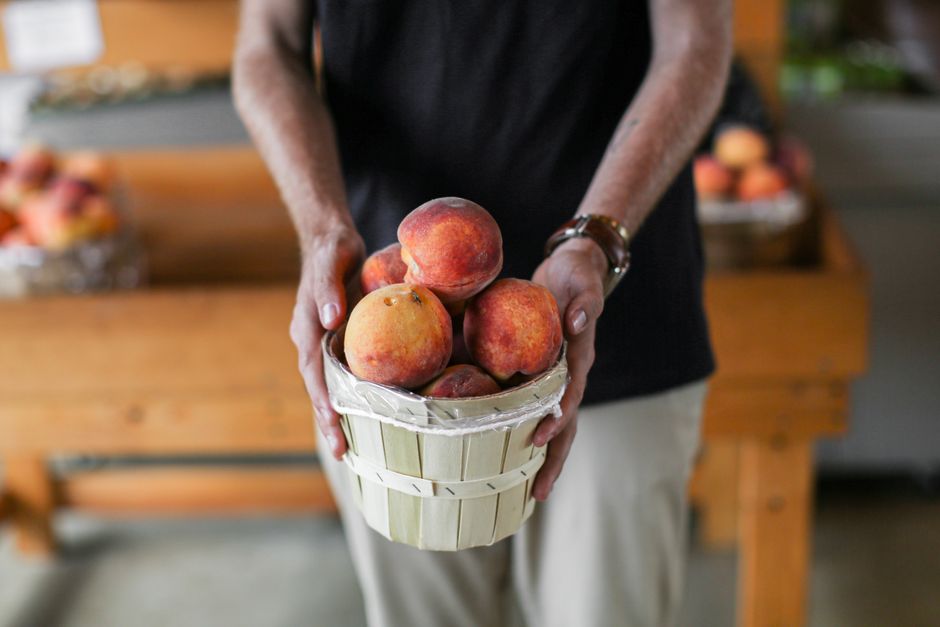
The Appeal of Hard Peaches: Crisp Texture and Rich Fiber
Hard peaches are perfect for enjoying fresh due to their signature crisp texture. Their dense flesh doesn't bruise easily and takes longer to chew, making them quite satisfying. Furthermore, hard peaches are rich in dietary fiber, contributing to overall health. To help manage blood sugar spikes, it's recommended to enjoy about one peach as a snack.
Slightly underripe hard peaches can be left at room temperature for about a day to ripen, bringing out their sweetness. They also pair wonderfully with various foods. For instance, they add a delightful texture contrast to salads, Greek yogurt, or ricotta cheese. When stored in the refrigerator after ripening, hard peaches are best consumed within 4-5 days.
The Charm of Soft Peaches: Smooth Texture and Abundant Juice
Soft peaches are characterized by their increasingly tender flesh as they ripen, along with a rich, juicy, and fragrant profile. During the ripening process, their sugar content and aromatic compounds increase, resulting in a wonderfully sweet flavor. You can also benefit from consuming antioxidants like Vitamin C and polyphenols.
Soft peaches are at their peak deliciousness when ripened at room temperature for 1-3 days, and yield slightly to gentle pressure when touched. Fully ripe soft peaches should be consumed within 2-3 days of refrigeration to maintain their freshness and texture.
Why Eating the Skin is Beneficial
Both hard and soft peaches have a higher concentration of antioxidants, such as polyphenols, in their skin compared to their flesh. Therefore, washing them thoroughly and eating them with the skin on is nutritionally advantageous. Peach fuzz can be effectively removed by wetting the fruit under running water and gently rubbing with your hands, or by using a small amount of coarse salt. If you plan to eat the skin, washing with baking soda for 1-3 minutes followed by a thorough rinse under running water is recommended.
Peach Storage: Ripening is Key
Refrigerating peaches before they are fully ripe can hinder proper ripening, preventing their full sweetness and aroma from developing. Soft peaches, in particular, can become mushy and lose their fragrance if kept at low temperatures for too long. It's best to ripen them at room temperature immediately after purchase before refrigerating.
When refrigerating, wrap them in paper or kitchen towels to reduce moisture loss. Taking them out 20-30 minutes before eating will enhance their aroma and sweetness. By understanding how to choose and store peaches, you can bring more delicious fruit to your table!