Potential for Alzheimer's Treatment with a Once-Weekly Subcutaneous Injection
Potential for Alzheimer's Treatment with a Once-Weekly Subcutaneous Injection
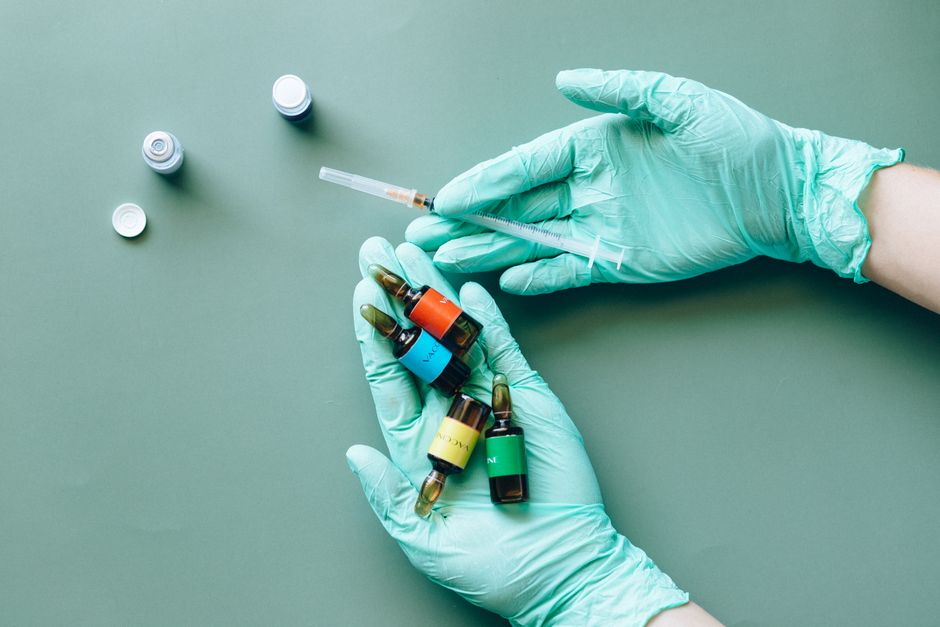
There's been some exciting news recently regarding Alzheimer's disease treatment. A new possibility has emerged where early-stage Alzheimer's patients could receive treatment via a once-weekly subcutaneous injection, rather than the current intravenous infusions administered in hospitals. This research is based on interim analysis from the 'LEADER' study conducted by Biogen and Eisai, with results presented for 14 patients. This study is being hailed as a significant milestone that could offer new treatment options for Alzheimer's patients.
Key Details of the LEADER Study
This study included patients who, after receiving the Alzheimer's treatment lecanemab via intravenous infusion, were transitioned to a once-weekly at-home subcutaneous injection maintenance therapy. The patients, with an average age of 72.6 years, were half female, and remained at the same disease stage as before treatment. According to the study results, 12 out of 14 patients stayed at the same disease stage as when they started treatment, with no cases of significant brain hemorrhage or adverse reactions leading to discontinuation.
How Lecanemab Works
Lecanemab is an Alzheimer's disease treatment known in Korea as 'Lecembii'. This medication works by binding to and clearing the protein amyloid beta that accumulates in the brain, thereby slowing the decline in cognitive function and daily living abilities. Currently, in Korea, it is administered as an intravenous infusion every two weeks for patients with mild cognitive impairment and mild Alzheimer's disease.
Advantages of Subcutaneous Injection
Unlike intravenous injections, subcutaneous injections differ in administration site and frequency, offering greater convenience to patients and caregivers. In the United States, subcutaneous injections have been approved, allowing patients or caregivers to administer the injection once a week at home. However, a subcutaneous formulation has not yet been approved in Korea. This study demonstrates the potential of subcutaneous injection maintenance therapy to reduce the burden of hospital visits and improve treatment accessibility for patients.
The Need for Future Research
It's important to note that this study is an early analysis based on data from a small number of patients, making it difficult to definitively conclude that the efficacy and safety of subcutaneous and intravenous injections are identical. More extensive patient data and long-term follow-up studies are necessary. If these findings can be applied to actual clinical practice, it would be a tremendous help to Alzheimer's patients. Furthermore, the U.S. Food and Drug Administration (FDA) has already approved the subcutaneous injection maintenance therapy, which represents a significant change that could further enhance treatment accessibility.
In conclusion, the once-weekly subcutaneous injection method shows promise as a more convenient and potentially safer treatment option for Alzheimer's patients. Future research in this area is highly anticipated.