Jun Ji-hyun's Summer Bronze Skin Trend
Actress Jun Ji-hyun (44) has recently captured attention with her bronzed skin showcased in Hong Kong. She has transformed her look with a deep tan complemented by long, wavy hair, further emphasizing her healthy beauty. In this post, we'll explore the bronze skin trend perfect for the summer season.
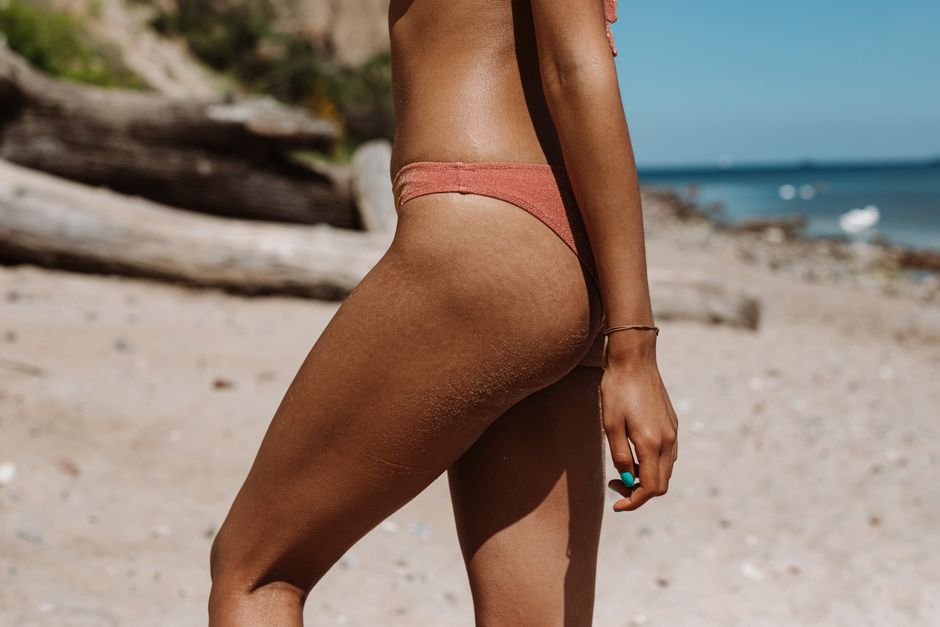
The Popular 'Sun-Kissed' Look for Summer
While many people desire a bronzed complexion through tanning in the summer, the current trend is slightly different. Instead of intense tanning, the 'sun-kissed' look, which appears naturally tanned, is becoming the dominant trend. More and more celebrities are opting for 'tan makeup' instead of actual tanning.
Achieving a Natural and Healthy Bronze Glow
This year's summer tanning trend focuses more on 'achieving the look' rather than 'getting a tan'. While dark tans were once fashionable, natural-looking bronze skin, just one or two shades darker than one's natural skin tone, is now gaining popularity. The key is to achieve a healthy, sun-kissed glow with a subtle radiance, highlighting firm muscles and skin texture.
How Celebrities Utilize Tan Makeup
Recently, there's been an increasing use of 'tan makeup' over actual tanning for red carpet events and photoshoots. Key products include body bronzers and self-tanners. Body bronzers are applied like makeup to create a tanned appearance and can be easily washed off, making them ideal for events or shoots. Self-tanners use dihydroxyacetone (DHA), which reacts with the skin's keratin layer to temporarily create a brown hue, lasting naturally for about 3 to 7 days.
Types and Safety of Tanning
Tanning can be broadly categorized into natural tanning and machine tanning. Natural tanning involves exposing the skin to UV rays from sunlight, stimulating melanin production for the most natural skin tone. However, it can increase the risk of skin aging, sunspots, freckles, sunburn, and skin cancer. Machine tanning, on the other hand, uses tanning beds to quickly achieve a brown complexion, offering an even color but also carrying risks of skin damage.
When tanning, keep the following five points in mind:
- First, tanned skin indicates damage from UV radiation.
- Second, tanned skin offers minimal UV protection, so sunscreen is essential.
- Third, individuals with fair skin that burns easily are more prone to burning than tanning, requiring caution.
- Fourth, tanning oils are not sunscreens; prolonged sun exposure with only tanning oil is dangerous.
- Fifth, the recently popular 'tanning injections' lack sufficient safety validation and are not recommended.
Consider Tan Makeup for Skin Health
The U.S. Food and Drug Administration (FDA) states, "There is no safe way to tan." The skin tone achieved through tanning offers little to no UV protection and cannot replace sunscreen. Repeated UV exposure accelerates skin aging and increases the risk of skin cancer. Consequently, self-tanners and body bronzers are emerging as relatively safer alternatives to actual tanning. The DHA in self-tanners reacts only with the outermost layer of dead skin cells, creating a tanned effect without UV exposure. Body bronzers, used like makeup, can be washed off, alleviating concerns about skin damage. However, using a self-tanner does not provide UV protection, so sunscreen must be applied when going outdoors.