Snacking on an Empty Stomach: Understanding the Risks of Diabetes
The Hidden Danger of Diabetes: Snacking on an Empty Stomach
Did you know that approximately 25% of people with diabetes in Korea are unaware they have the condition and continue unhealthy eating habits? Among those receiving diabetes treatment, only 32% have achieved their target blood sugar levels. Left untreated, diabetes can lead to severe complications affecting the heart, brain, eyes, kidneys, and more. Even without noticeable symptoms, high blood sugar can cause chronic inflammation in the blood vessel lining, posing a significant health risk. Therefore, individuals at high risk for diabetes must be extra cautious not only with their meals but also with their afternoon snack choices.
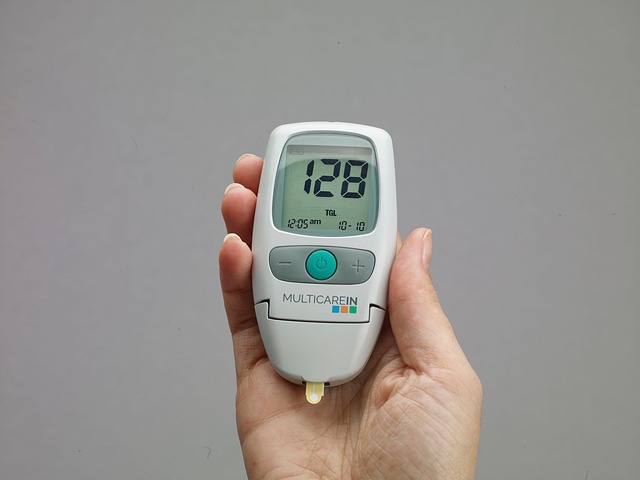
High-Risk Individuals Who Enjoy Sweets
According to the Korean Diabetes Association's 2024 data, there are a staggering 5.33 million people aged 30 and over with diabetes in Korea, and an additional 14 million are in the pre-diabetic stage. Among them, 1.35 million are living without even knowing they have diabetes. A significant number of people continue to indulge in sweets and maintain poor dietary habits without realizing their condition. Furthermore, current national health screenings primarily measure fasting blood glucose, providing limited information about post-meal blood sugar or HbA1c levels.
Afternoon Snacks: How to Choose?
Foods consumed on an empty stomach are rapidly absorbed by the body, leading to quick digestion and a sharp spike in blood sugar. It's not just breakfast; caution is needed with afternoon snacks as well, especially for those in the pre-diabetic stage. Indulging in sweet pastries, cookies, or sugary drinks in the late afternoon can negatively impact blood sugar management. Eating a heavy dinner after experiencing elevated blood sugar levels can create even bigger problems. So, if you crave a snack in the afternoon, consider healthier options like cherry tomatoes or a hard-boiled egg from the convenience store.
The Dangers of Sugary Foods
Sugar is the primary culprit behind rapid blood sugar increases. Just one spoonful of sugar (about 15g) can raise blood sugar by approximately 50 mg/dL within 15 minutes. Similarly, a 100 ml serving of sweetened yogurt drink, 175 ml of juice or soda, or 3-4 candies can cause a comparable rise in blood sugar. These foods are known to elevate blood sugar so quickly that they are even used as emergency treatment for diabetic patients experiencing hypoglycemia.
Dinner: The Key to Blood Sugar and Weight Management
When choosing afternoon snacks, it's advisable to avoid not only high-carbohydrate and high-sugar foods but also high-fat options. Approximately 70% of individuals with diabetes also suffer from hypertension or hyperlipidemia, often due to similar lifestyle factors like diet and lack of exercise. It's better to skip the afternoon snack altogether and have an earlier dinner. Research suggests that eating dinner before 6 PM can aid in blood sugar management. For homemakers, discussing with family to enjoy an early dinner around 5 PM could be a beneficial approach.