Lime Juice and Skin Burns: What You Need to Know
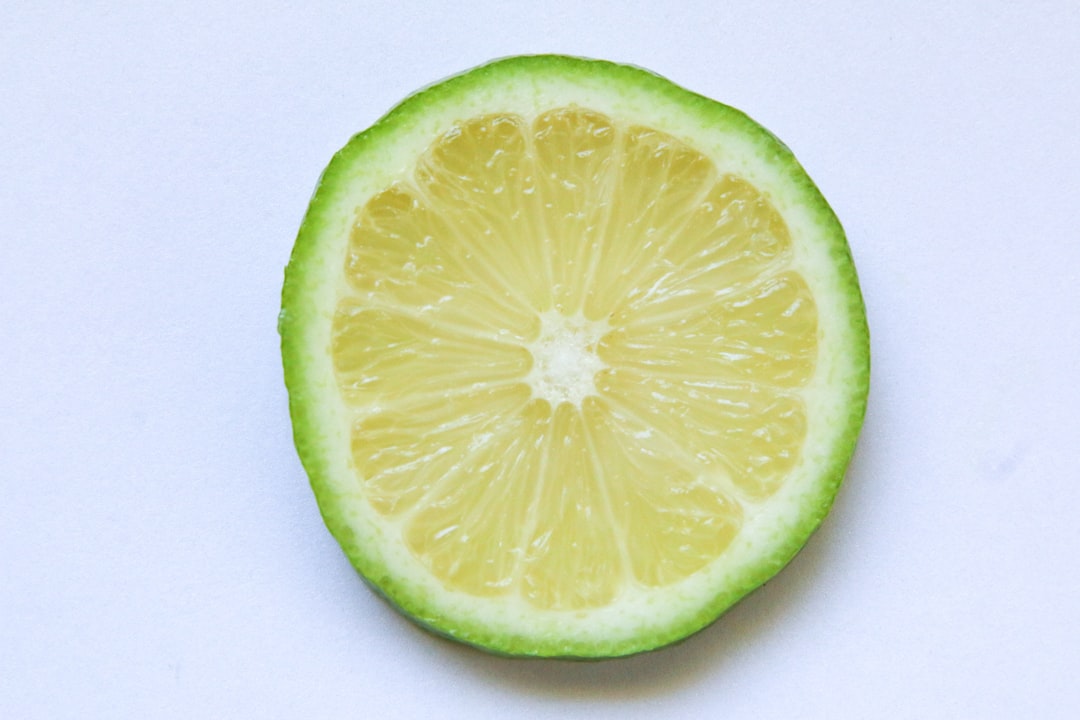
Lime Juice and Skin Burns: What You Need to Know
Recently, a story emerged about a woman who experienced a burn-like reaction on her skin after enjoying some lime juice. Madison Leves, a 29-year-old from Texas, was on a trip to Cancun, Mexico, with her family. On the first day of their trip, she was sipping a beer with a lime wedge by the pool and squeezed some juice, accidentally getting some on her bare leg, which she simply wiped off. The next day, she woke up with pain and noticed red marks on her leg.
What Causes 'Margarita Burn'?
This type of skin reaction is known as phytophotodermatitis. It occurs when certain plant compounds come into contact with the skin, followed by exposure to sunlight. It's not an allergic reaction, but rather a phenomenon caused by the interaction of the plant's chemical compounds with ultraviolet A (UVA) rays. This can lead to redness, blistering, and pain.
The primary culprit is a compound called furanocoumarin, produced by plants. This naturally occurring chemical in plants can irritate the skin when exposed to sunlight. This reaction can cause the skin to become red or swollen.
Which Plants Are Risky?
While the term 'margarita burn' might make you think only limes are the issue, various plants can actually cause this reaction. These include:
- Citrus fruits (like limes, lemons)
- Figs
- Celery
- Parsley
- Carrots
- Bergamot
It's crucial to be extra careful, as these symptoms can appear if plant juices come into contact with your skin and are then exposed to sunlight.
Symptoms and Treatment
Symptoms of phytophotodermatitis typically appear within 1 to 2 days and can include redness, itching, blistering, and swelling. While the rash isn't contagious, it can cause significant discomfort due to skin irritation. These symptoms usually resolve on their own within 2 to 4 weeks.
Here are some ways to help with recovery:
- Apply a cold compress or wet cloth to the affected area for 10-15 minutes.
- Gently wash the skin with mild soap and lukewarm water.
- Apply a thin layer of ointment, like Vaseline, and cover with a bandage.
During recovery, it's essential to protect the affected area from sun exposure. If your symptoms worsen or show signs of infection, seek medical attention immediately.
Prevention is Key!
Since phytophotodermatitis can occur from accidental contact, always wash your hands thoroughly with soap and water after handling limes or other citrus fruits. It's also very important to avoid sun exposure for several hours after coming into contact with plant compounds.
We hope this story serves as a reminder of how plant compounds like those in lime juice can affect your skin. Taking precautions beforehand is the best way to ensure a safe and enjoyable summer!