Life-Saving Surgery for Aortic Dissection Patient on Baengnyeong Island
A recent successful emergency surgery for a patient with acute aortic dissection on Baengnyeong Island has brought immense hope and a crucial reminder to many. What started as sudden chest pain and difficulty breathing for a woman in her 60s was a situation far too grave to dismiss as mere indigestion. This case truly underscores the critical importance of swift medical intervention in emergencies.
The Onset of an Emergency
On the evening of June 7th, Ms. Oh (67, female) experienced sudden, severe chest pain and difficulty breathing while dining with friends. Initially, she might have brushed it off as indigestion, but as the pain persisted, she visited Baengnyeong Hospital. An immediate Computed Tomography (CT) scan confirmed she was suffering from acute aortic dissection, a critical condition.
Swift Transfer and Surgery
Aortic dissection, a severe condition where the inner lining of the aorta—the largest artery carrying blood from the heart—tears, poses a life-threatening risk if not treated promptly. Recognizing the critical nature of Ms. Oh's condition, the medical team at Baengnyeong Hospital requested a firefighting helicopter. Ms. Oh was then transported to Gil Medical Center through an urgent transfer process involving both sea and land routes.
Upon arrival at Gil Medical Center, Ms. Oh's condition had worsened. The dissection had extended to the blood vessels supplying her brain and her abdominal aorta. She was also experiencing aortic valve regurgitation and pericardial effusion (bleeding into the sac around the heart). Professor Park Chul-hyun and his team immediately prepared for surgery upon learning of these complications.
The Importance of Collaboration
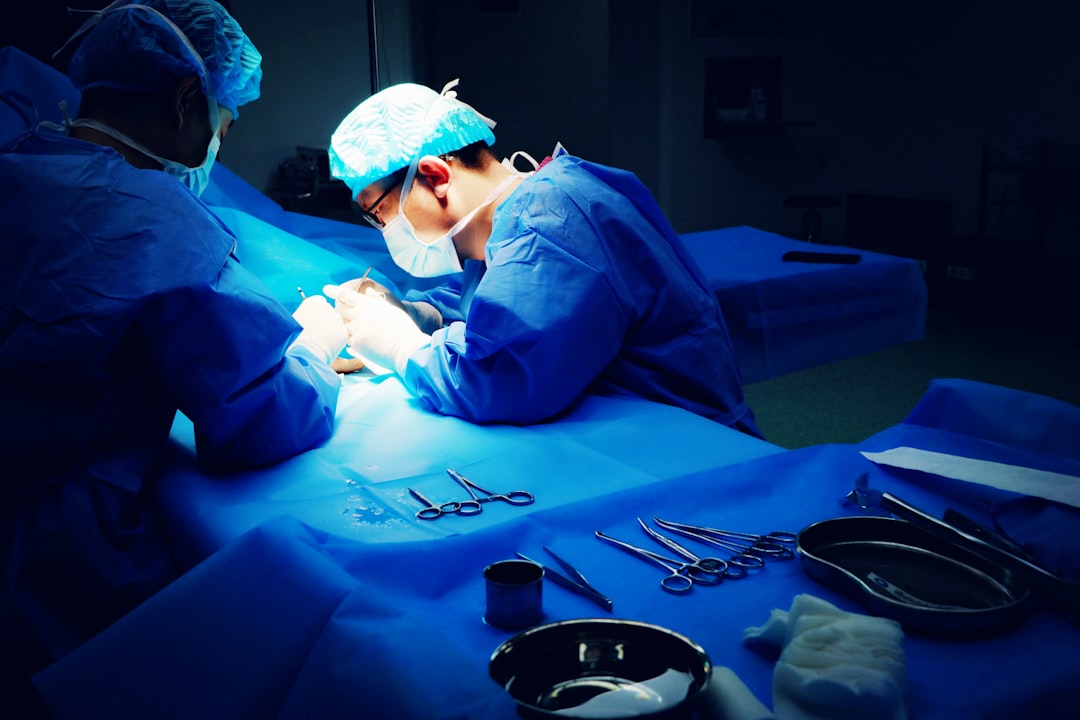
Despite it being a weekend dawn, the surgical teams from Emergency Medicine, Thoracic and Cardiovascular Surgery, and Anesthesiology and Pain Medicine mobilized instantly, performing an aortic graft replacement. The collaboration among these diverse specialists played a crucial role in saving the patient's life. Ms. Oh recovered well after the surgery and was discharged on the 22nd.
Ms. Oh expressed her gratitude to the medical staff, saying, "I initially thought it was just indigestion, but I never imagined the situation was this serious." Professor Park Chul-hyun emphasized, "Aortic dissection is a prime example of an emergency where time is a critical factor in survival rates." He highlighted that this case was a result of the synergy between prompt diagnosis, the decision for immediate transfer, and the collaborative efforts of the medical team.
The Need for Emergency Medical Systems in Remote Areas
This case is being recognized as a successful demonstration of the emergency medical system for critically ill patients in remote island regions. The key to effective emergency medical care in such areas lies in the seamless continuity between on-site diagnosis, transfer decisions, and treatment at regional medical centers. Gil Medical Center is collaborating with Baengnyeong Hospital to improve medical accessibility for residents of Baengnyeong Island and other remote areas, while also strengthening its emergency patient transfer system.
Hospital Director Kim Woo-kyung stated, "We will continuously enhance our emergency transfer and medical cooperation systems to ensure that geographical limitations do not lead to missed treatment opportunities." He added, "Since we never know when or what situation might arise, it's vital to remember to immediately call 119 if you experience sudden chest pain or difficulty breathing."