Female Sleep Apnea: Symptoms and the Importance of Diagnosis
Female Sleep Apnea: Symptoms You Shouldn't Ignore
Recently, a hospital shared a significant case regarding female sleep apnea. A wife accompanied her husband to the hospital for his snoring, but the doctor also recommended a sleep test for her. Meanwhile, the wife had been experiencing severe morning headaches and frequent nighttime bathroom trips. Ultimately, both were diagnosed with obstructive sleep apnea.
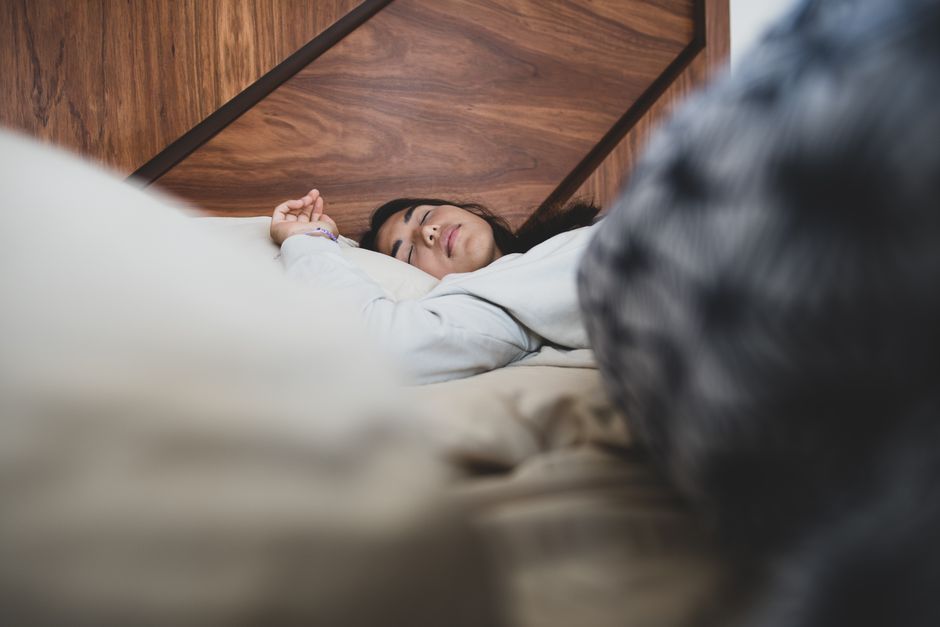
While women may have fewer breathing pauses or shallower breaths than men, they can experience more severe morning headaches and fatigue. These symptoms often don't show up clearly in standard medical tests, making it crucial for patients to communicate them directly to their doctor to aid in diagnosis.
Female Sleep Apnea vs. Male Sleep Apnea: Key Differences
According to research from the University of Pittsburgh, female sleep apnea presents differently compared to men. In the study, female patients reported more frequent nighttime bathroom visits, morning headaches, and higher levels of fatigue. These symptoms can significantly impact daily life, independent of the number of breathing pauses during sleep.
- Morning Headaches
- Nocturia (Frequent Nighttime Urination)
- Fatigue
These symptoms can make it challenging for women to get diagnosed with sleep apnea. It's particularly important to remember that diagnosis can be delayed if relying solely on typical symptoms like snoring.
The Importance of REM Sleep and the Influence of Hormones
During the REM sleep stage, the number of breathing pauses can be similar for both men and women. A Japanese study found that the frequency of apnea events in women during REM sleep was nearly identical to that in men. This suggests that women may be more prone to airway narrowing during REM sleep.
Furthermore, changes in female hormones play a significant role. The activity of muscles that keep the airway open can vary depending on hormonal status, especially around menopause, potentially worsening sleep apnea symptoms.
Don't Delay Testing: Take Proactive Steps
Awareness of sleep apnea remains relatively low in Korea. Many people perceive sleep apnea as a male condition, leading to women being underdiagnosed. However, women can also suffer from sleep apnea, and even with lower test scores, symptoms like headaches and fatigue can be more pronounced.
Therefore, if you're recommended for a sleep test, don't base your decision solely on whether you snore. It's essential to discuss symptoms such as morning headaches, frequent nighttime bathroom visits, and mental anxiety with your doctor. Communicating specific changes you feel in your body, not just whether your family members snore, is crucial.
Sleep apnea is more than just simple snoring. It's vital to acknowledge the diverse symptoms that significantly impact daily life and to take a proactive approach to managing it.