Boosting Collagen with Plant-Based Peptides
When we talk about youthful skin, collagen is always mentioned. Collagen is a protein that acts like the 'rebar' supporting our body. When densely arranged in the dermis of the skin, it makes the skin firm and reduces wrinkles. But did you know that even though some people eat pig's trotters regularly to supplement collagen, the collagen from food doesn't actually get stored directly in your skin?
The Truth About Collagen Supplements?
Many people believe that 'eating foods or supplements containing collagen will replenish skin collagen.' However, this belief overlooks the actual mechanism. Collagen is broken down into smaller pieces during digestion, such as dipeptides and tripeptides, and then absorbed into the bloodstream. These fragments then signal fibroblasts in the skin to stimulate collagen synthesis. In other words, collagen itself doesn't accumulate in the skin; rather, the broken-down peptide fragments signal the body to help produce collagen.
The Emergence of Plant-Based Peptides
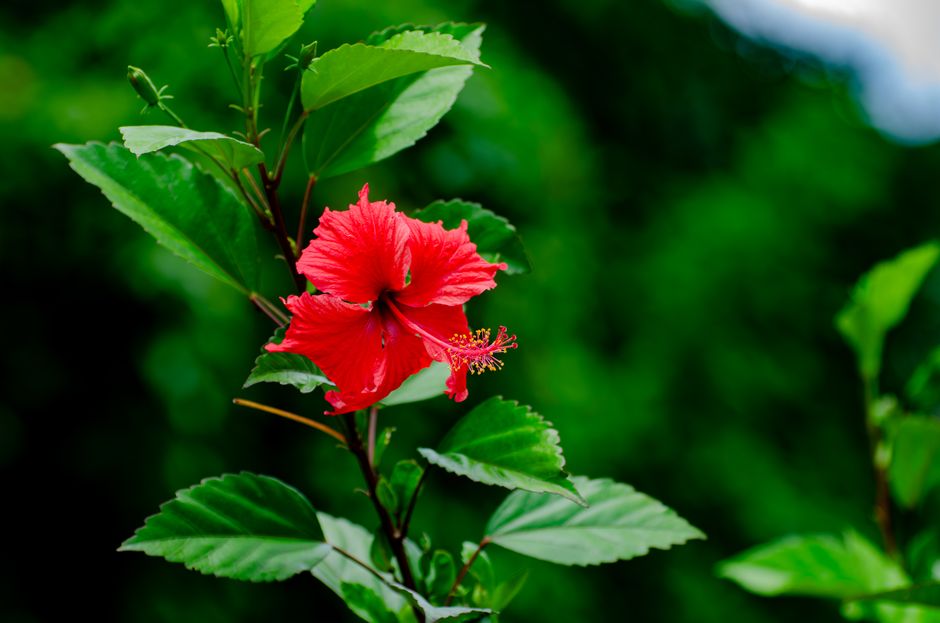
When we hear 'collagen,' we often think of animal-based foods or supplements. However, there's a growing number of people who are hesitant about animal-derived ingredients. Vegetarians, in particular, are looking for alternative collagen sources. In this context, a notable ingredient gaining attention is VC-H1, a plant-based peptide ingredient derived from hibiscus.
- VC-H1 is a plant-based peptide ingredient extracted by enzymatically hydrolyzing the calyx of Hibiscus sabdariffa flowers.
- It has a low-molecular-weight peptide structure with an average molecular weight of approximately 316Da.
- It contains 85-90% dipeptides and tripeptides.
Effects and Clinical Studies of VC-H1
VC-H1 helps signal skin fibroblasts to promote collagen synthesis. Additionally, anthocyanins, polyphenols, and organic acids found in hibiscus can help reduce the breakdown of existing collagen by inhibiting reactive oxygen species and inflammatory responses. A study published in the International Journal of Molecular Sciences (IJMS) found that after 98 adults aged 35-60 consumed 1.5g of VC-H1 daily for 12 weeks, there was a significant increase in skin hydration and a decrease in transepidermal water loss (TEWL). The study also reported improvements in skin barrier function and skin elasticity, with a significant reduction in the depth of crow's feet wrinkles.
What Kind of Product Should You Choose?
If you've been taking collagen supplements but find high doses burdensome, or if animal-derived ingredients don't agree with you, you can now consider plant-based peptide products. Products utilizing plant-derived ingredients like hibiscus can be a viable alternative. Delicious products in easy-to-consume forms like jellies or drinks, without any fishy smell, are now available. When choosing a product, it's advisable to check the actual ingredient name and clinical evidence. Look for ingredients with low molecular weights and a high ratio of dipeptides and tripeptides, rather than just a simple mixture of amino acids. Additionally, checking for human application studies and vegan/organic certifications can lead to a better choice.
As the collagen supplement market expands its options, it's most important for consumers to develop the ability to read ingredient labels. Now, without relying solely on animal-derived ingredients, explore ways to maintain healthy skin through various plant-based alternatives!