The Importance of Full-Body Strength Training
The Importance of Full-Body Strength Training
Have you ever experienced a time when everyday tasks suddenly became difficult and you felt easily fatigued? This might not just be a decline in stamina, but more likely due to the weakening of your entire body's muscles. Full-body strength is the foundation for all activities, from basic movements like walking and climbing stairs to lifting and carrying objects. When muscles decrease, the efficiency of movement also drops, and fatigue can set in more quickly. That's why it's increasingly emphasized nowadays to manage overall body strength rather than focusing on specific areas.
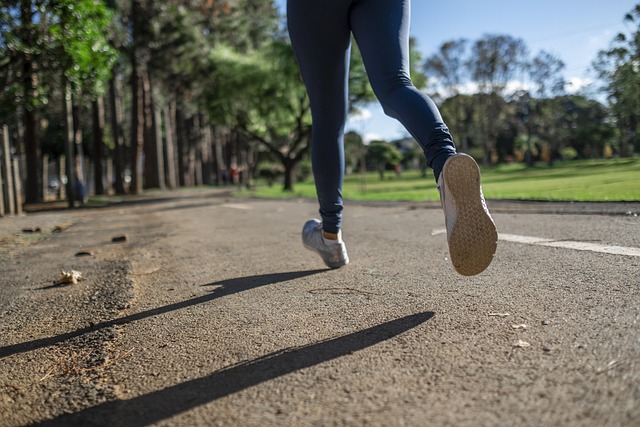
Problems Arising from Lack of Full-Body Strength
When full-body strength diminishes, your ability to support your body can also decrease. Your posture may become unstable more easily, and unnecessary strain can be placed on your lower back or knees. Furthermore, a reduced sense of balance can lead to easily losing your footing even with minor impacts. These changes can lead to a decrease in activity levels, which in turn can accelerate muscle loss. Therefore, it's important to develop the habit of using your entire body's muscles evenly.
The Efficiency of Full-Body Workouts
The muscles in our body are interconnected and work together. Weakness in your lower body strength can affect upper body movements, and if your core muscles are weak, it can be difficult to effectively transfer power throughout your body. Therefore, movements that engage multiple muscles simultaneously can be more efficient than training just one area. When your entire body's muscles are activated together, your physical utilization increases, and your movements become more stable. This is one of the reasons why full-body workouts consistently gain attention.
The Role and Management of Muscles
Muscles are more than just tissues that generate force; they play a crucial role in maintaining health. Sufficient muscle mass can help maintain your basal metabolic rate and positively impact stamina management. They also serve as an important foundation for maintaining bodily functions over the long term. Muscle loss can accelerate, especially after middle age, making consistent management even more critical. This is why it's said that preserving muscle is no different from preserving health.
Shall We Try Some Full-Body Strength Exercises?
- Start in a standing position with your elbows bent and palms facing forward. Lift one knee and lightly touch it with your palm, then lower it. Repeat with the other knee. This exercise helps improve core stability by engaging your abdominal and upper body muscles.
- Lie on a mat with your knees bent and hands behind your head. Bring one knee towards your chest while twisting your upper body to bring it closer, then return to the starting position. Repeat with the other side. This movement intensely targets the oblique abdominal muscles and core, helping to create a toned waistline.
- From a standing position, step one leg back into a lunge. Return to standing, then extend the back leg forward and touch your toes with the opposite hand. This exercise effectively strengthens your thigh and glute muscles, aiding in lower body strength improvement.
- Assume a prone position with your hands shoulder-width apart, keeping your body straight. Bend your elbows to lower your chest close to the floor, then push back up. Repeat this motion. This exercise evenly strengthens your chest, shoulders, and triceps, helping to improve upper body strength.
Full-body strength is the crucial foundation supporting all movements in our daily lives. When muscles decrease, we can feel fatigued easily and our activity levels may drop. Furthermore, a lack of strength can lead to unstable posture and increased joint stress, potentially degrading the quality of movement. Our bodies are designed to move with the cooperation of various muscles, making it important to engage the entire body evenly rather than focusing on specific areas. Sufficient muscle mass aids in maintaining stamina and balance, and plays a positive role in preserving healthy bodily functions for a long time. Consistent management of full-body muscles becomes even more vital, particularly after middle age.