Winter Norovirus: Symptoms, Causes, and Prevention Tips
As winter sets in, awareness about Norovirus is on the rise. Norovirus is a common cause of food poisoning, and it's particularly known to occur more frequently during the colder months. Many people mistakenly believe food poisoning only happens in the summer, but in reality, winter sees an increase in cases due to Norovirus infections. Today, we'll delve into the symptoms, causes, and prevention methods for Norovirus.
Causes and Transmission Routes of Norovirus
Norovirus is a very small virus that causes inflammation in the human stomach and intestines. This virus is primarily transmitted through contaminated food, but it can also spread through other means, including:
- Shellfish such as oysters
- Contaminated groundwater
- Water used for food preparation
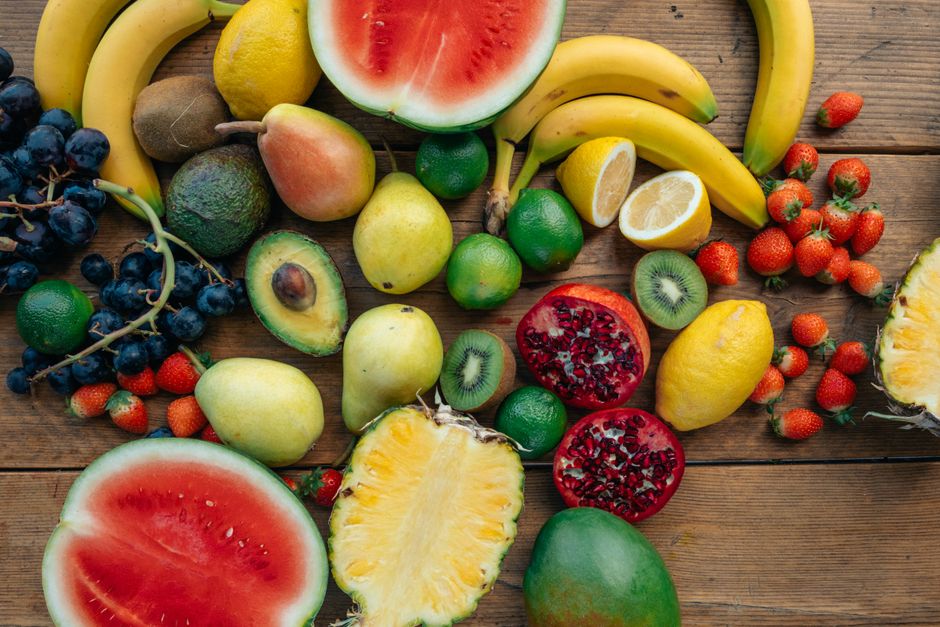
- Raw vegetables and fruits that have not been cooked
Notably, Norovirus spreads easily through contact with objects contaminated by human feces, and even a small amount can cause infection, so caution is advised.
Norovirus Symptoms
After infection with Norovirus, symptoms typically appear after an incubation period of 24 to 48 hours. The main symptoms include:
- Vomiting
- Nausea
- Chills
- Abdominal pain
- Diarrhea
- Muscle aches, malaise, headaches, and fever
Vomiting is more common in children, while diarrhea is more prevalent in adults. The diarrhea is typically watery and does not contain blood. Individuals infected with Norovirus, especially infants, the elderly, and those with chronic illnesses, are at risk of dehydration and should take precautions.
Norovirus Treatment and Prevention Methods
Currently, there are no specific antiviral drugs or vaccines for Norovirus. Most cases resolve naturally, but severe dehydration or electrolyte imbalances may require treatment with intravenous fluids. To prevent Norovirus, the following measures are crucial:
- Handwashing: Always wash your hands thoroughly after using the restroom, changing diapers, and before eating.
- Food Preparation: Wash fruits and vegetables thoroughly, and cook food to an internal temperature of at least 75°C (167°F).
- Cleaning and Disinfection: Thoroughly clean and disinfect contaminated surfaces with appropriate disinfectants.
- Maintaining Hygiene: Individuals infected with Norovirus should refrain from preparing food for at least three days after recovery.
Foods Beneficial for Norovirus
Certain foods can also help support recovery and prevent Norovirus gastroenteritis. Consider incorporating these into your diet:
- Plums (Maesil): Known for their properties that help eliminate toxins.
- Cabbage: Rich in Vitamin K and dietary fiber, beneficial for gut health.
- Bananas: High in pectin, effective in improving both diarrhea and constipation.
- Apples: Also rich in pectin, supporting overall gut health.
- Honey: Possesses anti-inflammatory and detoxifying effects, beneficial for gastroenteritis.
We've covered the symptoms, causes, treatment, and prevention methods for Norovirus. Stay vigilant to protect your health this winter and have a healthy season!