Korean Melon: Understanding Its Glycemic Index (GI) and Glycemic Load (GL) for Healthy Enjoyment
As summer approaches, refreshing fruits come to mind. Among them, Korean melon is widely loved for its sweet taste and crisp texture. However, many people might worry about their blood sugar levels when enjoying this fruit. Today, we'll explore the GI index and GL index of Korean melon and discuss how to consume it safely.
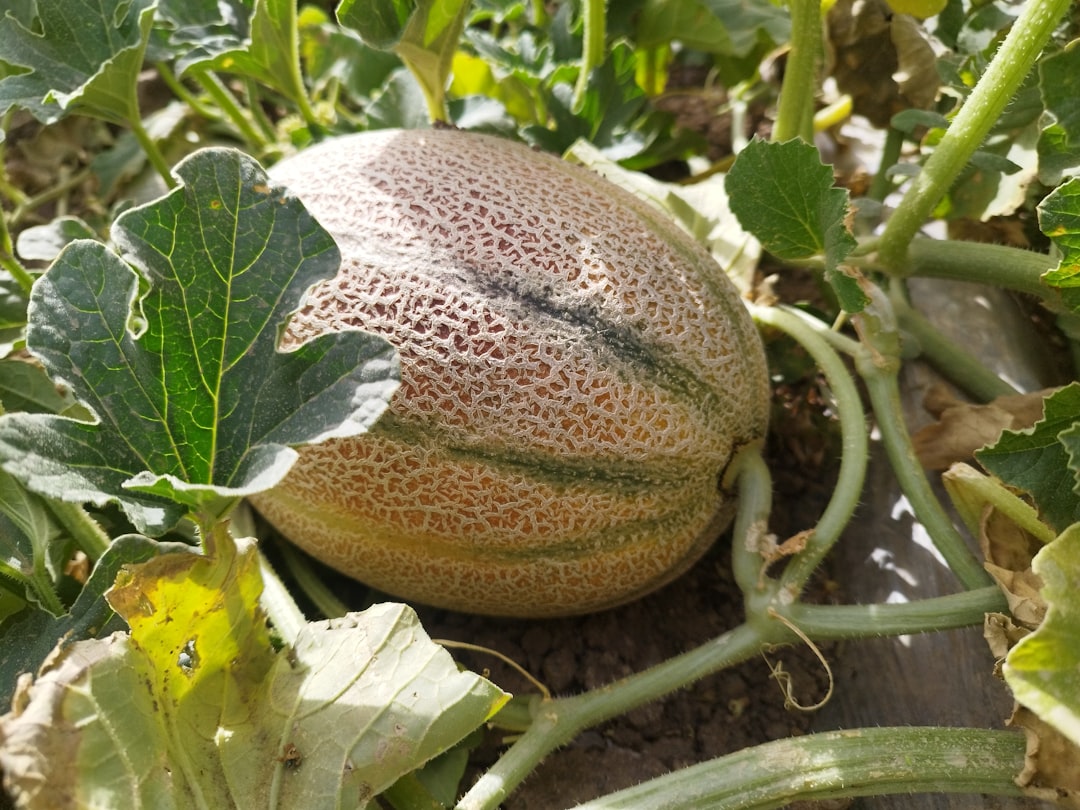
What are the GI and GL Indexes of Korean Melon?
First, let's look at the GI index. The GI index indicates how quickly blood sugar rises after consuming a food. Korean melon has a GI index of approximately 51-52, which is considered low. This means Korean melon is a low-GI fruit that doesn't cause a rapid spike in blood sugar.
A more important indicator is the GL index. The GL index evaluates the impact on blood sugar, taking into account the actual amount consumed. Korean melon's GL index is less than 4, which is rated as very low. This implies that consuming it in moderation has a minimal effect on blood sugar levels.
Nutritional Content and Health Benefits of Korean Melon
Korean melon has a very high water content, exceeding 90%, making it excellent for hydration. Additionally, its abundant dietary fiber and pectin slow down sugar absorption in the intestines, preventing post-meal blood sugar spikes. It's also rich in potassium, which helps excrete sodium from the body and contributes to overall vascular health.
How to Safely Enjoy Korean Melon
So, how can you enjoy Korean melon safely? Here are a few helpful tips:
- Enjoy it before meals or as a snack: Eating Korean melon after a meal can add to an already rising blood sugar level. It's best to consume it before meals or as a snack.
- Recommended daily intake: Half to one small Korean melon per day is a safe amount. It's important to avoid excessive consumption.
- Consume with protein: Pairing Korean melon with almonds or Greek yogurt can further slow down the rate of blood sugar rise.
The Sweet Core of Korean Melon: Is it Okay to Eat?
Many people remove the white, sweet core of the Korean melon, known as the placenta or taejwa, when cutting it. However, this core is rich in nutrients like Vitamin C, folate, and antioxidants, giving it high nutritional value. For those managing blood sugar, it's advisable to consume some of the core along with the flesh rather than removing it entirely.
This summer, Korean melon is a fantastic fruit that offers both health benefits and delicious taste. Based on today's discussion, discover ways to enjoy Korean melon while maintaining your health. We hope you have a healthy summer filled with the refreshing taste of Korean melon!