500% Strength Boost: Exercises to Feel a Massive Difference
One of the first changes we notice as we age is a decline in strength. Things that were once easy in our youth can now feel like a struggle. Even climbing stairs or walking for extended periods can become a burden. Muscles do more than just help us move; they also play a crucial role in protecting our joints and maintaining body balance. Therefore, consistently managing our muscle strength is a fundamental requirement for preparing for a healthy old age.
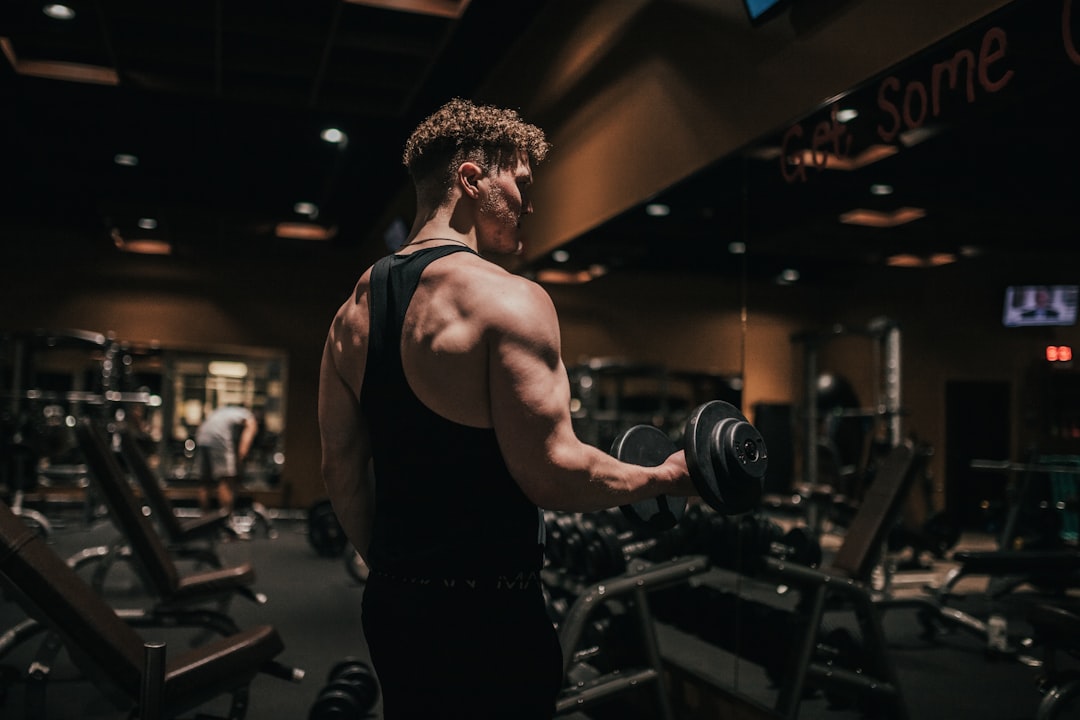
The Importance of Strength Management
Adequate muscle strength is directly linked to comfort in daily life. For instance, simple movements like getting up from a chair or lifting objects can become strenuous if your muscles are weak. Conversely, well-maintained muscles enhance body stability and make movements much smoother. These changes positively impact overall life satisfaction.
Furthermore, muscles are closely related to metabolism. Sufficient muscle mass facilitates efficient energy expenditure, which aids in weight management. Muscles are also involved in blood sugar regulation and fat metabolism, playing a vital role in maintaining overall health. This is why there's a growing emphasis on muscle management over just weight nowadays.
Benefits of Increased Muscle Strength
Improved muscle strength can positively affect your posture and sense of balance. Stronger supporting muscles reduce the strain on your back and knees, leading to more stable movements. Especially for middle-aged and older adults, a decline in balance can increase the risk of falls, and muscles play a key role in mitigating this risk. This is why muscle management is crucial for extending your healthy lifespan.
Effective Exercise Methods
- Bulgarian Split Squat: Stand in front of a bench or chair and place the top of one foot on the rear surface. With the other leg forward, slowly bend your knee to lower your body. Then, push off with the heel of your front foot to return to the starting position. Alternate legs.
- Bicycle Crunches: Lie on your back, place your hands behind your head, and slightly lift your shoulders off the mat. Bring one knee towards your chest while twisting your opposite elbow towards it. Alternate sides rhythmically, mimicking a cycling motion.
- Leg Raises: Sit on the mat with your hands supporting you on the floor. Lift both legs into the air. Lean your upper body back slightly and extend your legs forward to lengthen your body, then bring your knees towards your chest while sitting up. Repeat.
- Bird-Dog: Assume a tabletop position, supporting your body with your hands and knees. Extend one leg straight back, engaging your glutes, and slowly return to the starting position. Repeat with the other leg.
Conclusion
The decline in muscle strength experienced with age significantly impacts health. Muscles do more than just enable movement; they protect joints, maintain balance, and influence our comfort in daily life. They are deeply involved in metabolism, blood sugar control, and weight management, playing a critical role in maintaining overall health. Therefore, consistent strength management is an essential lifestyle habit for reducing the risk of falls and increasing your healthy lifespan.