Unlock Full Body Strength: Effective Workout Methods
The Importance of Full Body Strength
Do you find yourself getting tired easily and struggling to build strength even when you exercise? It might not just be a lack of stamina. If you're not engaging your entire body's muscles evenly, certain areas can become fatigued quickly, reducing the efficiency of your movements. In reality, full body strength isn't built by focusing on just one area; significant progress is more likely when your whole body works in coordination. That's why workouts that awaken your entire body simultaneously are gaining more attention lately.
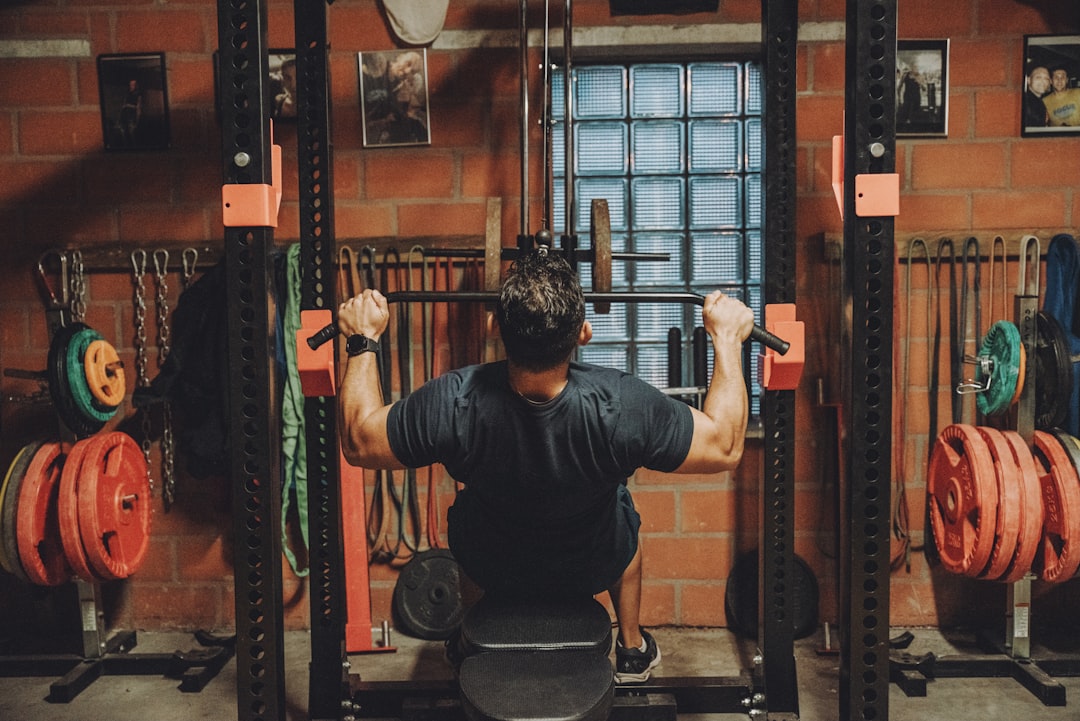
Lack of Full Body Strength in Daily Life
When your overall body strength weakens, it becomes noticeable in everyday activities. For instance, long walks or lifting objects might feel strenuous, and you might experience fatigue much faster throughout the day. If your lower body and core muscles are particularly weak, your balance can be compromised, leading to instability during movement. Conversely, when your full body muscles are activated, you'll feel a sense of firmness and lightness throughout your body. Ultimately, strength is closely linked to the interconnected movements of your entire body.
The Significance of Muscle Engagement
Our muscles can become sluggish quickly if we don't use them regularly. Prolonged periods of sitting in the same posture, for example, can significantly reduce the engagement of core, gluteal, and thigh muscles. If this continues, it's highly likely to lead to poor posture and increased strain on your back and shoulders. On the other hand, active full-body movements help maintain overall circulation and movement efficiency. Recently, the importance of strength that engages the entire body, rather than just muscle size, has been receiving more attention.
Workout Methods for Full Body Strength Enhancement
Here are a few workout methods to enhance your full body strength. These exercises can be easily done at home and will be effective in building overall muscle power.
- Squats: With your feet shoulder-width apart and a resistance band around your thighs or knees, push your hips back as if sitting in a chair. This exercise stimulates the glutes and thighs, effectively strengthening lower body endurance and core stability.
- Bridges: Lie on your back with your knees bent and a resistance band around your thighs. Lift your hips off the floor. This exercise helps strengthen your glutes and improves pelvic stability.
- Leg Lowers: Lie on your back with your legs lifted towards the ceiling. Slowly lower one leg towards the floor without letting it touch. This exercise targets your lower abs and is effective for enhancing abdominal tone.
- Torso Twists: Lie on your back, bring one knee towards your chest, and twist your torso to bring the opposite elbow towards the bent knee. This exercise helps strengthen both your rectus abdominis and oblique muscles simultaneously.
If you find yourself getting tired easily and struggling to build strength, it might be because you're not engaging your full body muscles evenly. Spending long hours sitting can particularly reduce movement efficiency and postural stability. Conversely, engaging your entire body in movement improves your supporting strength, circulation, and energy utilization, leading to a lighter and more stable feeling. Therefore, remember the importance of movements that awaken your entire body's coordination and full body strength, rather than focusing solely on isolated muscle exercises.