How to Make Plum Syrup Safely and What to Watch Out For
Ready to Make Plum Syrup Safely?
Hello everyone! Today, we're going to learn how to safely make plum syrup, a delightful treat perfect for the summer. Plums are harvested from late May to mid-June. If you make plum syrup during this season, you can create a healthy and delicious beverage. So, let's dive into the detailed steps of making plum syrup!
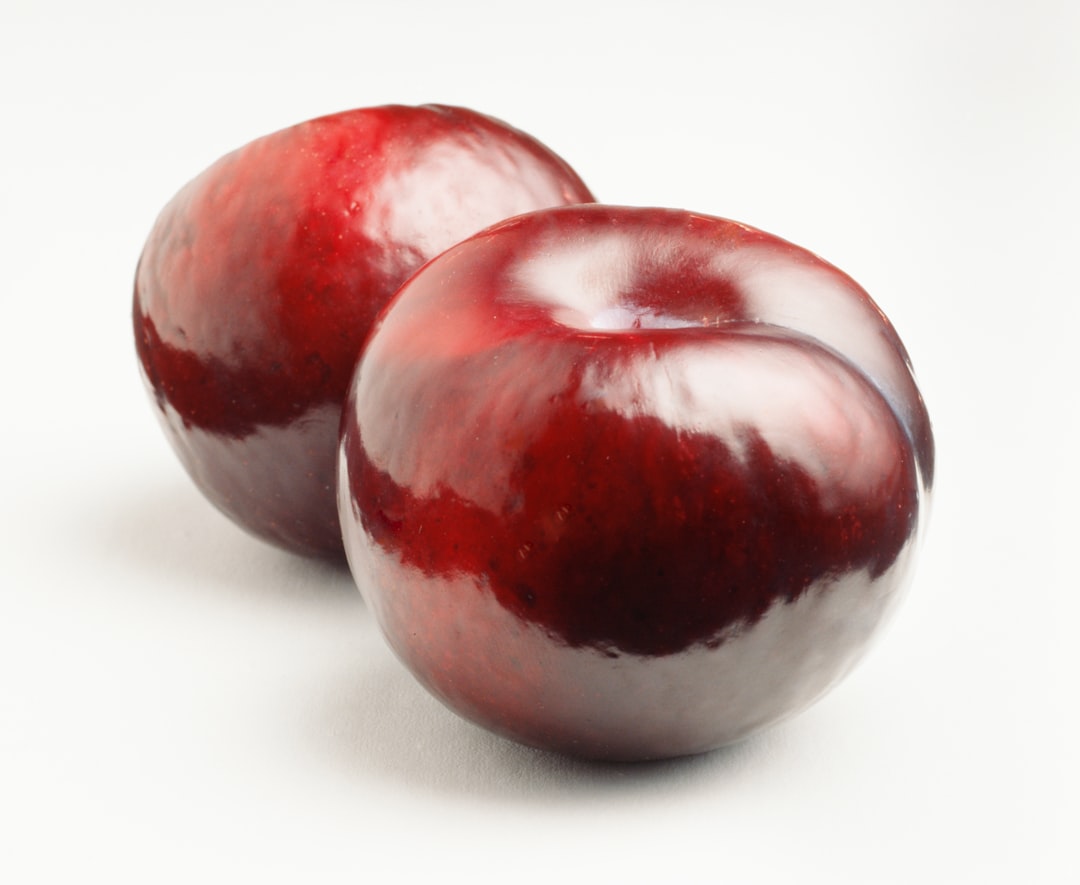
Do You Know the Benefits of Plums?
Plums are rich in organic acids, such as citric acid, which inhibits lactic acid production, aiding in fatigue recovery. Furthermore, they help the liver break down toxins in the body. Plum syrup, made from these versatile fruits, is especially popular during the summer.
Precautions When Making Plum Syrup
There are a few important things to keep in mind when making plum syrup. The seeds of plums contain cyanogenic compounds, which can cause symptoms like headaches or difficulty breathing if consumed in excess. Therefore, follow these steps when preparing your plums:
- Wash the plums thoroughly and ensure they are completely dry.
- Remove the stems, which can cause a bitter taste.
- Removing the plum seeds can reduce the cyanogenic compound content by approximately 95%.
How to Make Plum Syrup
Now, let's get started with making the plum syrup! Prepare equal parts plums and sugar (1:1 ratio) and layer them in a sterilized container. Using oligosaccharides instead of sugar can further reduce cyanogenic compounds by about 14%. Store the container in a shaded, room-temperature area and let it steep for about 3-4 months.
During the initial fermentation process, carbon dioxide may be produced. To manage this, loosely seal the container or open the lid about once a week to release the gas. This ensures a safer process for making your plum syrup.
The Importance of the Maturation Process
Once the steeping process in sugar is complete, remove the plum solids and move on to the maturation stage. This step can reduce cyanogenic compound content by about 22%. After the plum syrup is made, storing it in a cool place for over 6 months can further decrease this content by an additional 13%. Sufficient maturation is key to maximizing the flavor and benefits of your plum syrup.
Finally, the Ministry of Food and Drug Safety emphasizes that simple precautions, such as removing the seeds and ensuring adequate maturation, can make enjoying homemade plum syrup even safer. We encourage you to use these tips to create your own healthy and delicious plum syrup!