Reversing Muscle Loss in Your 60s: The Power of Exercise
Muscle Loss: A Sign of Aging
Many people associate the onset of aging with wrinkles or gray hair. However, the changes that truly impact our daily lives often begin elsewhere. You might find yourself struggling with tasks you used to do effortlessly, or feeling breathless after minimal exertion. These shifts can signal that your muscle reserves are gradually depleting. The challenge is that muscle loss is often subtle and goes unnoticed until it's significantly advanced. That's why experts emphasize that managing aging should start not with your skin, but with your muscles.
The Importance of Muscle
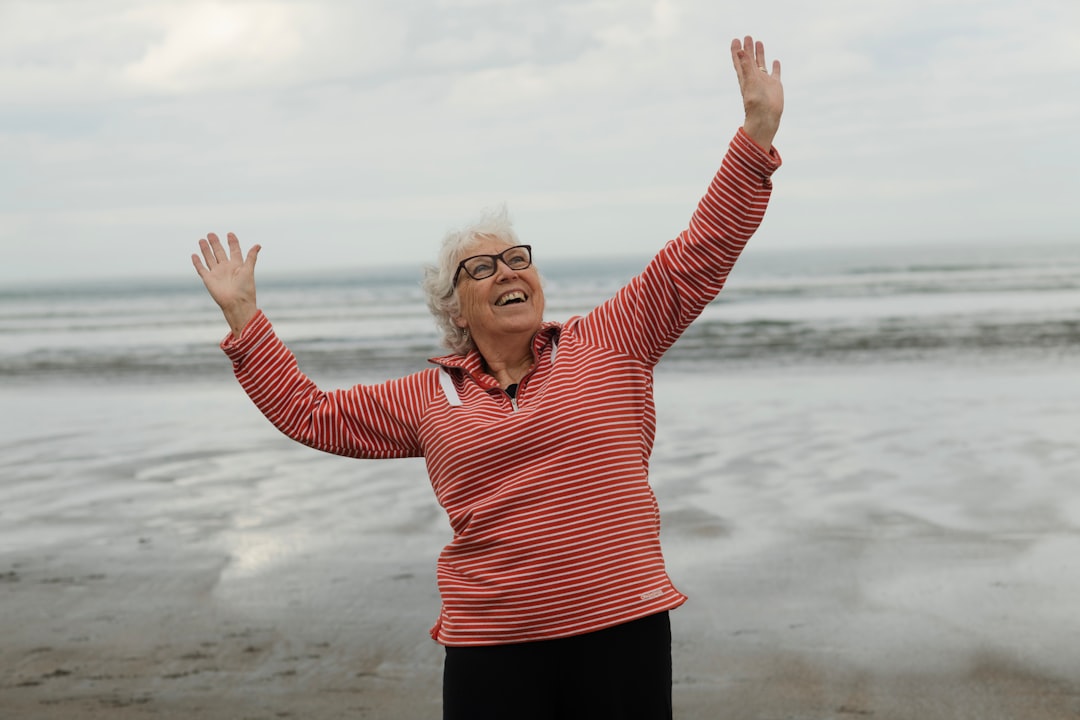
Our bodies, much like a savings account, need emergency assets. That's where muscle comes in. Sufficient muscle mass provides the strength needed to keep moving, even when your body is fatigued. Conversely, when muscles diminish, even minor activities can leave you feeling drained of energy. This could be the reason why some people your age are full of vitality while others tire easily. Ultimately, muscle acts as your personal fitness fund for retirement.
Signs of Declining Physical Function
Many individuals feel their bodies aren't what they used to be, despite having normal health check-up results. This can be due to a decline in physical function that isn't yet reflected in medical metrics. Muscles, in particular, are closely linked to our ability to move, and their decline can lead to a reduced quality of daily life. It affects everything from the speed at which you stand up from a chair, your gait, to your sense of balance. Consequently, maintaining physical function is emerging as a more critical health goal than simply preventing diseases.
The Vicious Cycle of Muscle Loss
Just like a car that loses engine performance after prolonged disuse, our bodies experience similar effects. Muscles tend to be maintained with use and diminish with inactivity. This decline can accelerate significantly after middle age. Reduced movement leads to muscle loss, which in turn can lead to even less movement, creating a vicious cycle. To break this pattern, your body needs active stimulation that engages it comprehensively.
Effective Exercise Methods
Here are a few exercises that can help strengthen your muscles and support a healthy aging process:
- Abdominal Crunches: Lie on a mat with your knees bent and one foot crossed over the opposite knee. Place your hands behind your head, lift your upper body diagonally towards your knee, contracting your abs, then slowly lower. Repeat to strengthen your core.
- Push-ups: Start in a push-up position with your knees on the floor. Lower your body by bending your elbows, then push back up. Keep your back straight and repeat. This exercise is effective for improving upper body strength.
- Side Leg Raises: Lie on your side, supporting your upper body with your lower arm. Slowly lift your top leg, pause at the highest point, and then lower it back down. Repeat to strengthen your lower body muscles.
- Plank with Arm Extension: Assume a plank position and hold your body steady. Extend one arm forward, return it to the starting position, and then repeat with the other arm. This exercise enhances core stability and balance.
Changes due to aging often manifest as muscle loss before wrinkles appear. This can lead to a decrease in stamina and mobility. Muscles are vital assets for storing and utilizing the body's energy; the more you have, the more vibrant your daily life can be. Conversely, reduced muscle mass can make basic actions like walking or standing difficult, accelerating the decline in physical function. Muscles have a tendency to decrease rapidly with disuse, making consistent movement and maintenance crucial. For a healthy old age, efforts to maintain muscle mass and physical function are as important as managing diseases.