Rising Care Costs: The Urgent Need to Expand Integrated Nursing and Care Services
Rising Care Costs and the Necessity of Integrated Nursing and Care Services
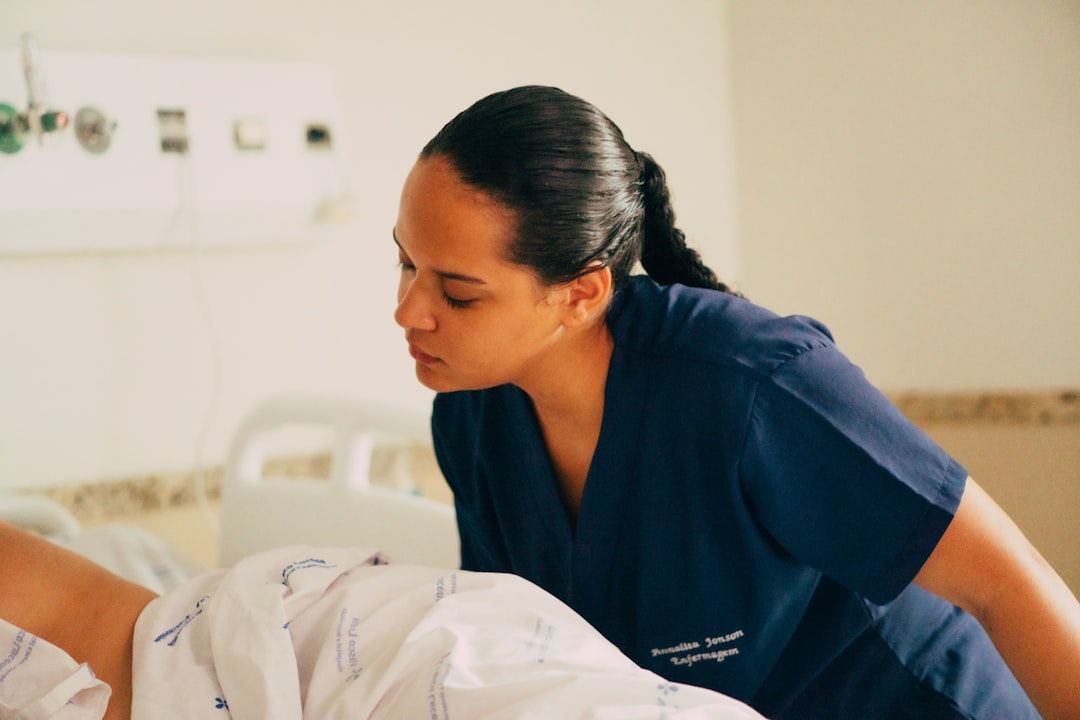
Recently, the surge in caregiving costs has placed a significant financial burden on many patients and their families. Statistics show that the average monthly caregiving cost has more than doubled, rising from 2.06 million KRW in 2008 to 4.32 million KRW in 2024, an increase of over 100% in just 16 years. Consequently, there's a growing call for the expansion of integrated nursing and care services.
Achievements and Current Status of Integrated Nursing and Care Services
Over 1.77 million patients are currently utilizing integrated nursing and care services, and the cost savings from private caregiving have reached a total of 1.4653 trillion KRW since the service's introduction. Furthermore, patient satisfaction with these services stands impressively high at 93.7%. However, despite these achievements, the actual participation rate in integrated nursing and care services remains a concern at only 34.4%.
- As of June 2025, the number of medical institutions participating in integrated nursing and care services: 798
- Number of participating beds: 86,443
- Medical institutions operating all wards under this service: 118
- Number of beds: 12,094
The Issue of Nursing Staff Shortages
Experts point to a shortage of nursing staff as a major obstacle to expanding integrated nursing and care services. Bucheonsejong Hospital, for instance, operates a dedicated ward for critically ill patients but has reported difficulties in securing experienced nursing personnel. Although they adhere to a staffing ratio of 4 patients per nurse and 8 patients per nursing assistant, there is still a deficit of staff capable of managing critically ill patients.
The Need for Customized Support Strategies
To extend integrated nursing and care services to all hospital wards, experts emphasize the need for a compensation system that reflects the wage gap and improvements in space and facilities. They also propose customized support strategies, such as forming specialized care teams for different patient groups and establishing a flexible staffing system. These strategies are particularly crucial as the quality of nursing care directly impacts patient safety.
Conclusion
Ultimately, caregiving is not an individual problem but a challenge that society as a whole must address. It is essential to reduce the burden of caregiving costs and provide professional nursing services through the expansion of integrated nursing and care services. To achieve this, we must resolve the structural imbalances in staffing and finances, and national-level support is indispensable. It is time for all of us to pay attention to this issue and seek solutions together.