Managing Declining Walking Ability with Age
The Relationship Between Aging and Walking Ability
While it might seem like slower steps and shorter strides are just a natural part of aging, they often signal a decline in lower body strength and reduced joint mobility. When your body becomes stiff, it's harder to move your legs freely, which naturally impacts your walking ability. If this continues, it can lead to decreased physical activity and lower stamina. Therefore, maintaining your walking ability is crucial for a healthy later life.
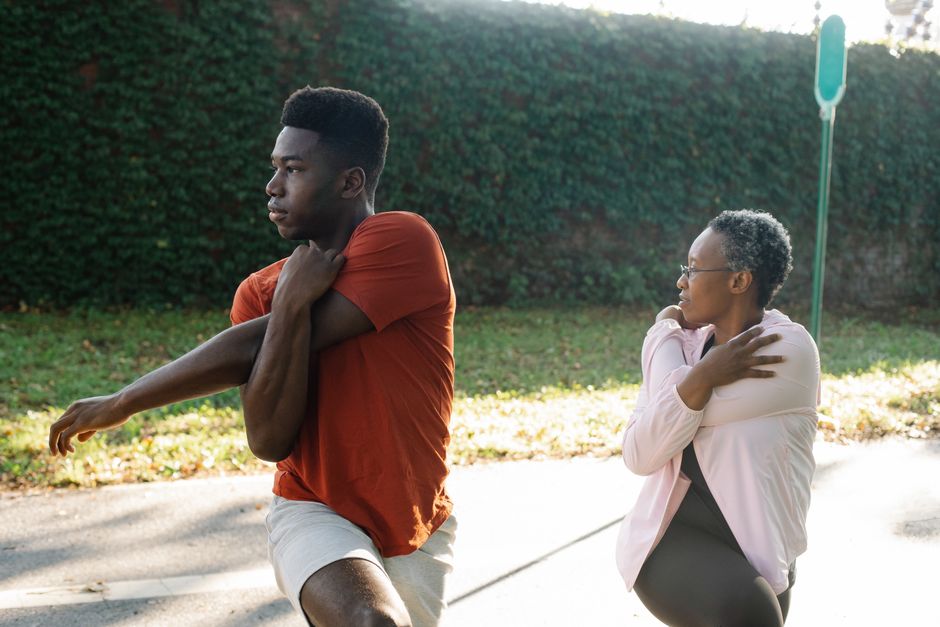
The Importance of Walking Ability
Walking ability isn't solely determined by leg strength. It requires the coordinated movement of various joints and muscles, including the hips, glutes, thighs, and ankles, to create stable steps. However, as movement decreases, the range of motion in your joints can also shrink. This can result in shuffling your feet or taking shorter steps. Thus, it's essential to manage both muscle strength and joint mobility.
Managing Joint Range of Motion and Flexibility
Your range of motion is closely linked to your ability to move your body freely. Sufficient mobility allows for easier actions like sitting down and standing up, climbing stairs, and changing direction. Conversely, a stiff body can make even small movements feel burdensome. Limited movement in the hips and knees, in particular, can significantly affect your walking posture. Therefore, maintaining flexibility and mobility becomes even more critical for middle-aged and older adults.
Physical Activity Levels and a Healthy Later Life
A decline in walking ability can naturally lead to a decrease in physical activity. You might start avoiding going out or feel burdened by long walks, gradually shrinking your sphere of activity. These changes can accelerate muscle loss and declining stamina. On the other hand, being able to move your body stably can help increase your activity levels. Ultimately, walking ability is a key factor directly connected to your healthspan.
Effective Exercise Methods
Now, let's introduce some exercises to help improve your walking ability.
- Core Strengthening Exercise: Lie on your back with your hands on the floor for support. Lift your legs with your knees bent at 90 degrees, then slowly lower one foot to lightly touch the floor before lifting it back up. Repeat with the other leg.
- Torso Rotation Exercise: Sit on the floor with your knees bent and lean back slightly. Bring one knee towards your chest while twisting the opposite elbow towards your torso, bringing them close. Alternate sides.
- Spinal Stability Exercise: Lie on your stomach with your arms extended straight overhead. Keeping your arms and legs straight, simultaneously lift your upper and lower body off the floor, hold briefly, and then slowly lower.
- Full Body Stability Exercise: Get into a tabletop position (hands and knees). Extend one arm forward while simultaneously extending the opposite leg straight back. Hold the position without letting your body wobble, then return to the starting position. Repeat with the other side.
Slower steps or shorter strides might not just be due to age; they could be a sign of weakening lower body strength and declining joint function. Walking requires the coordinated effort of your hips, glutes, knees, and ankles, so weakness in any one area can impair your gait. These changes can lead to reduced activity and stamina, making consistent management crucial. Good walking ability plays a vital role in maintaining independence and an active life in your later years.