Preventing Muscle Aging After 55: Effective Exercise Routines
After the age of 55, many people start noticing changes in their body's overall elasticity more than weight fluctuations. Feeling tired more easily and experiencing a loss of posture can be deeply connected to muscle aging. When the muscles in your arms, legs, and core weaken, your movements can become sluggish, and your body might appear to sag. These changes go beyond a simple loss of strength, potentially leading to a decline in vitality for daily life. Consequently, the importance of restoring muscle function is increasingly emphasized in health management for middle-aged and older adults.
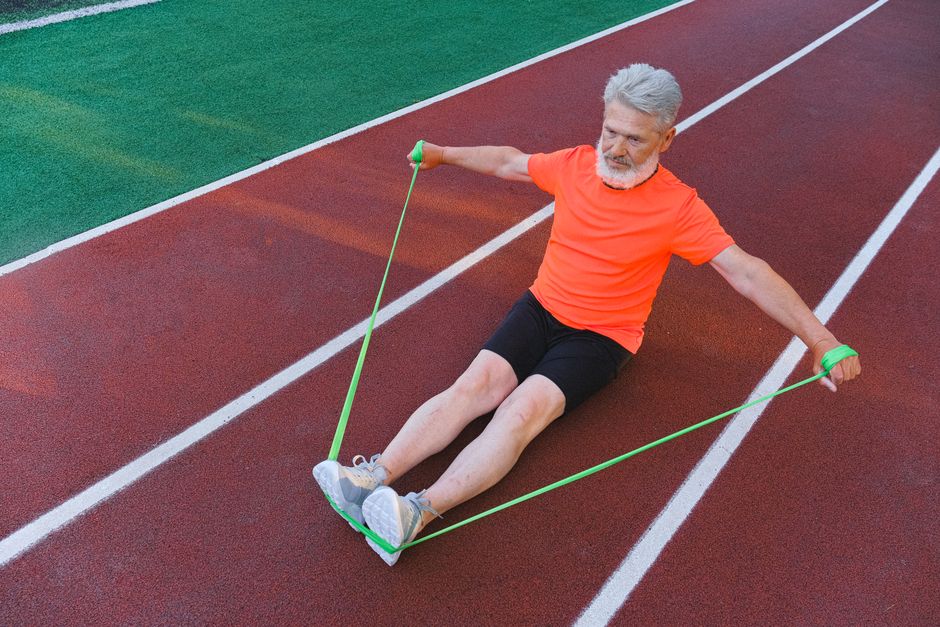
The Importance of Muscles
Muscles aren't just tissues that make your body look bigger. They play a crucial role in stably supporting your body and helping you move for extended periods without easily getting tired. Especially after 50, the rate of muscle loss accelerates, often leading to a loss of strength starting from the core and lower body. If this condition persists, it's highly likely to cause postural imbalances and slowed movement. In recent times, maintaining full-body muscle mass is considered even more vital for slowing down the perceived pace of aging.
Exercises to Prevent Muscle Aging
Muscle aging can occur naturally even if you remain inactive. This is because a decrease in activity levels and prolonged sitting reduce the usage of muscles in various parts of the body. While it might initially feel like simple fatigue, over time, activities like climbing stairs or going out for extended periods can become burdensome. If the muscles in your core weaken, the strain on your lower back and knees increases, making consistent exercise essential.
Effective Exercise Methods
- Step Box Exercise: Stand in front of a step box, place one foot on it, and then bring the other foot up. Step down one foot at a time to return to the starting position. Holding dumbbells or water bottles can engage upper body muscles as well.
- Abdominal Exercise: Lie on a mat with your knees bent and feet flat on the floor. Cross your arms over your chest and lift your upper body using your abdominal muscles. Repeat while maintaining tension in your core.
- Bridge Exercise: Lie on a mat with your knees bent and feet flat on the floor. Support your body with your arms and lift your hips off the ground. Lower your hips back down and repeat the motion.
- Lower Abdominal Exercise: Lie on a mat with one knee bent and the foot flat on the floor. Straighten the other leg and slowly lift it towards the ceiling. After repeating, switch legs and perform the exercise on the other side.
The Importance of Muscle Recovery
After the age of 55, the combination of muscle aging and reduced activity levels often leads to a decrease in overall body elasticity and increased fatigue. When the muscles in your arms, legs, and core weaken simultaneously, your posture can deteriorate, and movement efficiency can drop, resulting in a decline in daily vitality. Conversely, when your entire body's muscles are activated in a balanced way, it helps reduce swaying while walking and makes you less tired even after prolonged activity. Therefore, managing overall body balance is considered more important than simple weight management these days.