Dishwashing Hacks: How to Save Water and Time
Dishwashing is one of those daily chores that many people do on autopilot. But did you know that small changes in your method can significantly impact the amount of time and water you use? Today, I'm sharing some handy tips to make your dishwashing routine more efficient.
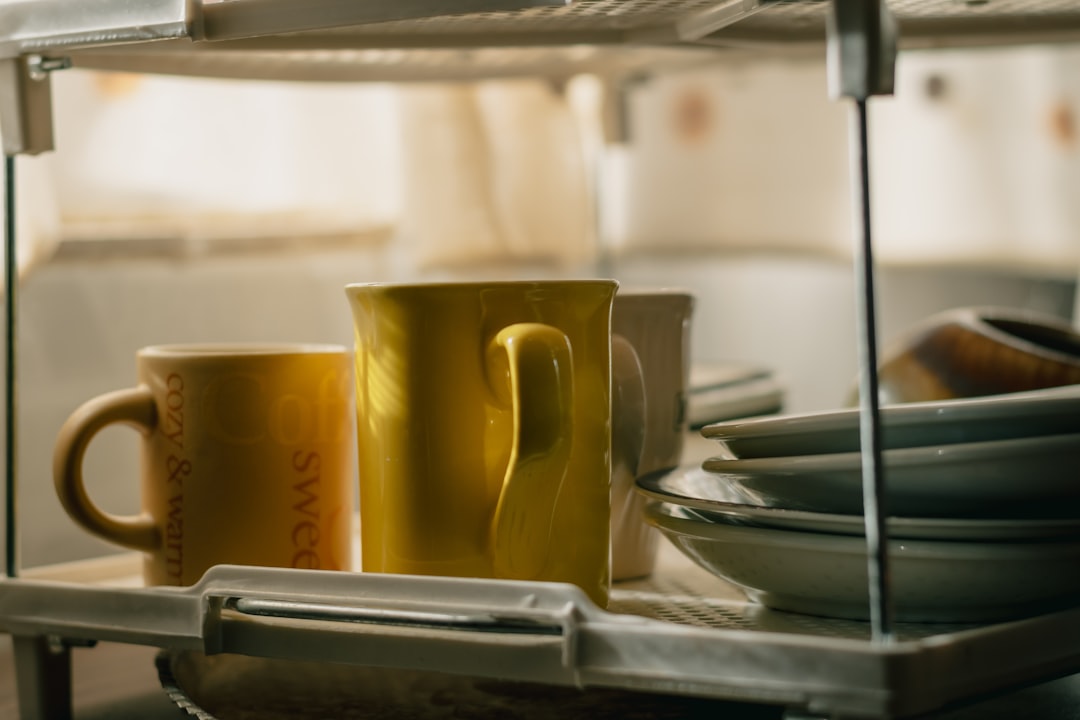
1. Separate Utensils and Dishes
Before you start washing dishes, it's a good idea to separate utensils from plates and bowls. Many people toss all their used dishes into the sink and start washing immediately. However, when items are mixed, you'll find yourself reaching around multiple times to find what you need, making your dishwashing workflow more complicated. This is especially true for small items like chopsticks or forks that get buried under larger dishes, inevitably increasing water usage and washing time.
Therefore, it's best to gather smaller utensils like chopsticks, forks, and knives in a separate spot. Using a cup or small container to hold them with the handles facing up makes organizing much easier. This pre-sorting allows you to quickly wash everything at once without searching for individual items, contributing to an efficient kitchen organization.
2. Organize Dishes by Type
It's also important to group similar items together – plates with plates, cups with cups. Grouping by type makes it easier to plan your washing order and to distinguish between greasy dishes and cleaner ones. For instance, tackling greasy items like bowls of soup or frying pans last can help prevent your sponge from getting too dirty too quickly.
Organizing dishes by type beforehand often significantly shortens your dishwashing time. It also keeps your sink less cluttered and reduces splashing or dishes clanking against each other, leading to a tidier process. While it might seem like a small habit, it's a practical method that helps reduce the burden of daily kitchen tasks.
3. Dilute Your Dish Soap
Many people tend to squeeze dish soap directly onto the sponge, but diluting it with water can make it much more effective. Using a mixture of soap and water not only reduces concerns about leftover residue but also helps conserve the amount of soap you use. This is particularly helpful when washing a large number of dishes, as it prevents the soap from clumping in one spot, allowing for a cleaner wash.
Diluting dish soap with water helps prevent excessive amounts from being applied to the sponge at once. Using the concentrated soap directly can lead to using more than necessary, thus prolonging rinsing time. In contrast, using a diluted solution allows you to create an even lather with a smaller amount, making for a cleaner dishwashing experience.
4. Eliminate Cup Odors
When your cups have a fishy smell or a stale water odor, using vinegar can be a helpful solution. First, slightly warm some vinegar and pour a small amount into the cup. This is especially effective for mugs or water bottles that have been used for a long time, as odors tend to linger in the inner crevices, so letting them soak for a bit is beneficial.
Next, dampen a paper towel or soft cloth with the warmed vinegar and thoroughly wipe the inside of the cup. Areas like the rim or the bottom corners, which are often hard to reach, are prone to retaining odors and water stains. Wiping these areas slowly with the vinegar-soaked cloth helps manage any sliminess and lingering smells. Finally, it's crucial to rinse the cup multiple times with clean water to ensure no vinegar scent remains.
By implementing these simple methods, you can make your dishwashing more efficient. Remember, small habits can lead to big changes!