Unlock the Secrets to Deliciously Reheating Frozen Rice Cakes
Have frozen rice cakes stored in your freezer? Wondering how to reheat them to perfection? Today, we'll use red bean rice cakes (pat sirutteok) as an example to share some fantastic tips for reheating frozen rice cakes, making them as soft and delicious as if they were freshly made.
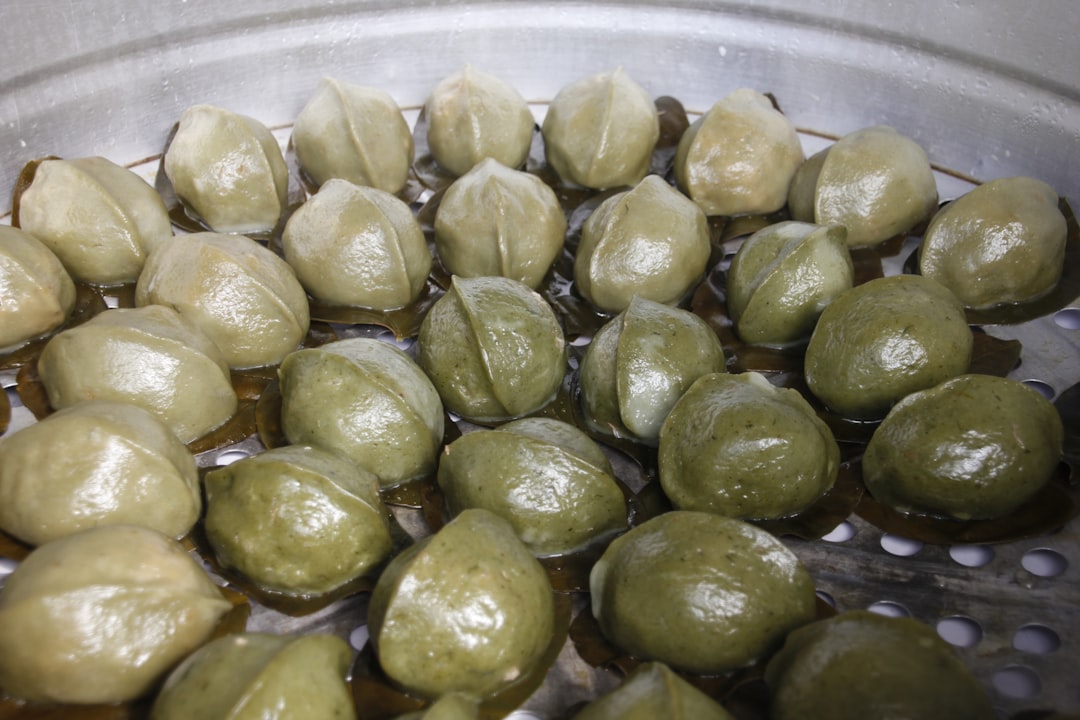
How to Properly Thaw Frozen Rice Cakes
If you reheat frozen rice cakes incorrectly, they can become mushy or, conversely, too hard. That's why today we're exploring an easy way to reheat them. Sirutteok, in particular, can quickly become hard even after just one day, so it's best to reheat it directly from the freezer. The great thing about frozen red bean rice cakes is that they can be revived to a soft texture without needing to thaw them beforehand.
Effortless Reheating with the Microwave
First, place the frozen red bean rice cake directly onto a plate without thawing. It's a good idea to leave a little space between the cakes so they don't stick together. This allows the microwave's heat to distribute evenly, preventing specific areas from becoming hard.
Next, thoroughly dampen a piece of kitchen towel, wring it out lightly, and cover the rice cakes with it. The moisture from the kitchen towel will slowly turn into steam inside the microwave, preventing the rice cakes from drying out. This significantly reduces the dry, crumbly texture often associated with frozen rice cakes.
It's better to reheat in short intervals at medium power rather than for a long time. Depending on the amount of rice cake, start with about 30 seconds to 1 minute, check the texture, and if needed, add 10-20 second increments. Overheating all at once can cause the red bean filling to dry out first, making the outer layer hard while the inside remains mushy, so be careful.
Tips for an Even Tastier Treat
Instead of eating immediately after reheating, it's best to let the rice cakes sit for about 30 seconds with the kitchen towel still covering them. This allows the residual heat to gently penetrate the inside, reviving a wonderfully chewy texture. The outside will be moist, and the inside will be soft. This method is particularly effective for rice cakes where moisture content is key, like red bean rice cakes.
Important Considerations for Freezing
Even rice cakes stored in the freezer can be enjoyed without a dry texture if you adjust your storage method slightly. For rice cakes like red bean rice cakes or injeolmi, freezing them as a whole block often causes them to stick together, making it difficult to separate them when you take them out. Therefore, portioning them into bite-sized pieces before freezing makes them much easier to handle later.
- Divide the rice cakes into bite-sized pieces and place them individually on plastic wrap, leaving some space between them.
- Roll them up as if you were making a kimbap roll.
This method prevents the rice cakes from sticking to each other and keeps them separated. This reduces instances of them clumping together in the freezer and makes it much easier to take out only the number you need.
Individual packaging like this also makes microwaving convenient. You can easily take out the desired amount and reheat it with a damp kitchen towel. It also minimizes air exposure, which helps to prevent the rice cakes from absorbing freezer odors to some extent. Storing these individually wrapped rice cakes in a zipper bag or airtight container will protect them from odor absorption and freezer burn, ensuring they stay fresh.