The Dangers of the US Dietary Guidelines and Healthier Alternatives
US Dietary Guidelines: Their Dangers and Alternatives
The recently released Dietary Guidelines for Americans (DGA) have been criticized for serious flaws. How will these guidelines, which could impact many, affect our health? This article will explore the risks and propose alternatives.
Increased Protein Intake: What's the Catch?
The first point of concern is the drastic increase in the recommended daily protein intake. The new guidelines suggest 1.2-1.6g/kg of body weight, nearly double the previous recommendation of 0.8g/kg. However, many people already consume more protein than recommended, and excessive protein intake can lead to various health issues, including diabetes, impaired kidney function, osteoporosis, and cardiovascular diseases.
Saturated Fat: Not All Fats Are Healthy
The second flaw is the guidance that saturated fats from animal sources are healthy. Excessive intake of saturated fats raises blood triglyceride and bad cholesterol (LDL) levels, increasing the risk of heart disease and stroke. It can also lead to insulin resistance, raising the risk of developing diabetes. This is scientifically proven.
Contradictions in the Guidelines and Resulting Health Concerns
While the new US dietary guidelines are presented as a policy to address issues like obesity and diabetes, they may actually pose risks to health. Many experts are concerned, warning of particularly severe impacts on children. The effectiveness of a plant-based diet in preventing chronic diseases has already been demonstrated in numerous studies.
Plant-Based Foods as an Alternative
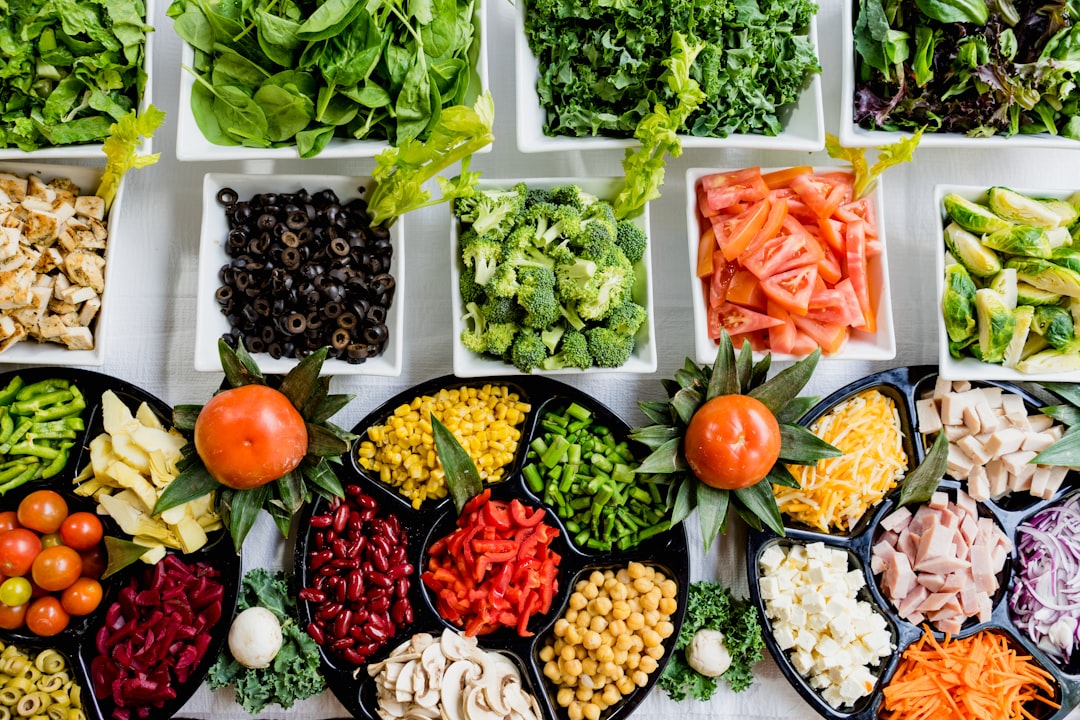
So, what's the solution? Reducing animal product consumption and increasing intake of plant-based foods is more beneficial for health. Consider incorporating the following:
- Nuts
- Seeds
- Olive oil
- Avocado
These foods are low in saturated fat and rich in unsaturated fats that are good for cardiovascular health. Additionally, opting for legumes and whole grains for protein can help maintain a healthy diet.
In conclusion, the new US dietary guidelines appear to be a policy out of touch with reality. Therefore, it is advisable to choose a plant-based diet to protect our own health. Prevent chronic diseases and enjoy a better life through healthy eating habits!