Cutting Board Hygiene and Germ Prevention Tips
As one of the most frequently used tools in the kitchen, the cutting board requires special attention to hygiene. Since it comes into contact with various foods, it can become a breeding ground for germs, making simple washing insufficient. It's advisable to replace cutting boards regularly. Wooden cutting boards are more prone to germ proliferation than plastic ones, so extra caution is needed.
Preventing Cross-Contamination
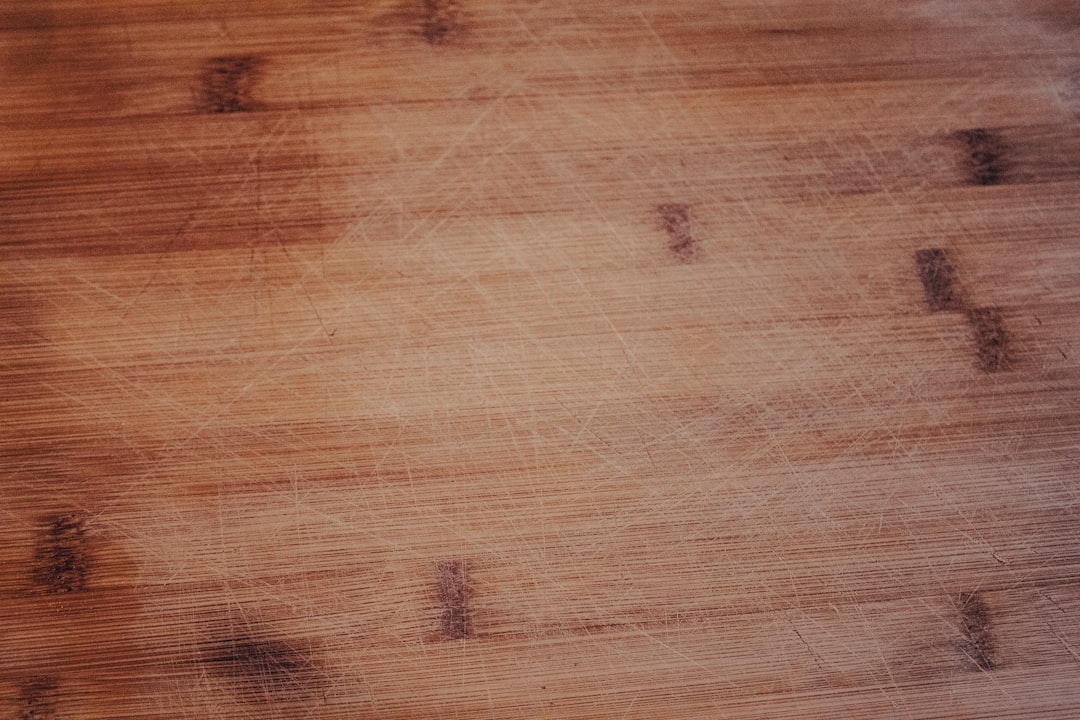
To use your cutting board hygienically, preventing cross-contamination is paramount. Cross-contamination refers to the transfer of foodborne pathogens from the surface of raw meat or fish to other ingredients like vegetables or fruits. For instance, if you prepare vegetables on a cutting board used for raw chicken, bacteria like Campylobacter, commonly found on poultry, can easily transfer. According to FDA analysis, these bacteria can survive within the scratches of a wooden cutting board for at least two hours to several days.
To prevent cross-contamination, it's recommended to have two to three cutting boards and designate them for specific uses, such as one for raw meat and another for vegetables and fruits. If managing multiple boards is inconvenient, consider using a reversible cutting board.
The Importance of Washing and Sanitizing
Thorough washing is crucial for maintaining a clean cutting board. It's best to wash the surface with a mild detergent and then rinse thoroughly with water at 80°C (176°F) or higher. Additionally, boiling water sterilization by immersing the board in hot water for over a minute is effective in eliminating germs. If stains persist after washing, you can sprinkle baking soda on the surface and scrub, or soak the board in a baking soda solution for 5-10 minutes before scrubbing with a sponge.
For removing odors caused by foods like kimchi or fish, using a diluted vinegar solution is effective. However, for foods prone to staining, such as kimchi, placing a milk carton on the cutting board before chopping can prevent the juices from soaking into the board.
Drying and Replacement Cycle of Cutting Boards
After washing, it's best to dry the cutting board by standing it upright in a well-lit, well-ventilated area. Avoid wiping a wet cutting board with a towel and leaving it. However, regardless of how well it's maintained, cutting boards are consumables, and it's wise to replace them every 1-2 years. Deep knife marks on the surface increase the risk of bacterial growth.
In conclusion, the cutting board is a vital kitchen tool, so pay special attention to its hygiene. Prevent cross-contamination and enjoy safe cooking through thorough washing and sanitization!