Actress Lee Mi-sook's Health Management Secrets at 66
Actress Lee Mi-sook's Health Management Secrets at 66
Actress Lee Mi-sook continues to be active despite her age of 66, experiencing a second prime through YouTube. Her YouTube channel, 'Lee Mi-sook_Sook-seureoun Misook-ssi', with over 320,000 subscribers, has gained immense popularity by consistently sharing her honest daily life and self-management tips. In particular, a past video titled 'Misook's Exercise Trio!! Is This Body Real at This Age? Lee Mi-sook's Workout Routine Revealed!' drew significant attention by showcasing her long-term rehabilitation exercises and systematic workout routines.
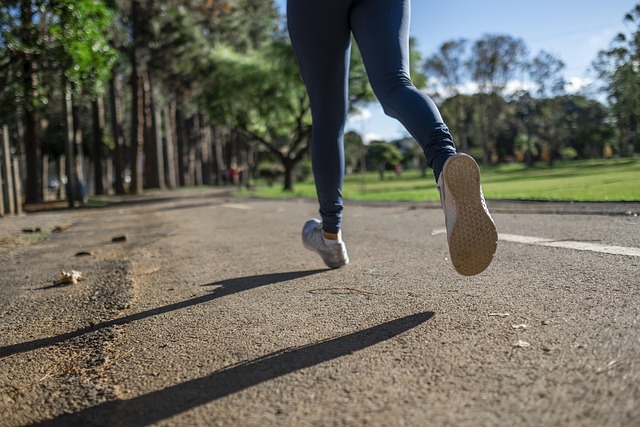
Consistent Rehabilitation Exercises and Systematic Routines
Lee Mi-sook revealed that after undergoing two knee surgeries and suffering from degenerative arthritis, she has been engaged in scientific rehabilitation exercises with a trainer, who is a former physical therapist, for over two years, rather than simple weight training. The trainer explained that while her knee function wasn't severely impaired, she had a significant psychological fear of trusting her knees. To overcome this, she has been consistently performing personalized programs that include rehabilitation movements to withstand knee load, weight transfer training, lower body strengthening exercises inspired by skating and sprinting, band exercises utilizing the weight transfer principles of golf, and deadlifts.
Workouts at Fitness and Pilates Centers
In addition to rehabilitation exercises, Lee Mi-sook also shared her workout routines at fitness and Pilates centers. She focused on lower body exercises like squats and leg presses using loop bands to evenly train her thigh and glute muscles, enhancing hip flexibility through stretching. Simultaneously, she managed her upper body and core muscles with exercises like cable tower movements, hip lifts, and rolling motions. By sharing her daily life of building a healthy body through consistent rehabilitation and strength training, she has garnered much empathy from viewers.
The Importance and Effects of Rehabilitation Exercises
Rehabilitation exercises not only alleviate pain but also help strengthen the muscles that provide stable support to the joints. By evenly training the thigh and glute muscles around the knee, one can positively impact the reduction of stress concentrated on the joints. This also aids in performing movements like walking and climbing stairs more stably in daily life.
Weight transfer training and balance exercises help improve the body's coordination and sense of balance. Developing the ability to maintain a stable center of gravity makes movements more natural, which not only enhances athletic performance but also positively influences the reduction of fall risks. These exercises are particularly valued for maintaining functional movement in middle-aged and older adults.
The Importance of Lower Body and Full-Body Strength Training
Lower body strength exercises like squats and leg presses help develop the thigh and glute muscles evenly. Strengthening the large muscles of the lower body can improve the body's supporting power, positively impacting the maintenance of basic physical fitness and enhancing daily activity levels. Consistent practice with proper form and appropriate intensity is crucial.
Furthermore, exercises like deadlifts, cable exercises, and hip lifts are representative full-body strength training movements that engage the core, back, and glute muscles simultaneously. These exercises help stabilize the body's center, positively influencing posture maintenance and strengthening the muscles around the lower back. As they utilize the entire body's muscles in a balanced way, they also contribute to improving functional fitness.
The Necessity of Flexibility Exercises
Incorporating stretching and hip flexibility exercises helps to smoothen joint movement and relieve muscle tension. Improved flexibility can enhance exercise performance and positively impact the reduction of discomfort during daily movements. Balancing strength training with flexibility exercises helps maintain healthy bodily functions for a long time.