Lessons in Healthcare from a Centenarian Patient Without Next of Kin
Lessons in Healthcare from a Centenarian Patient Without Next of Kin
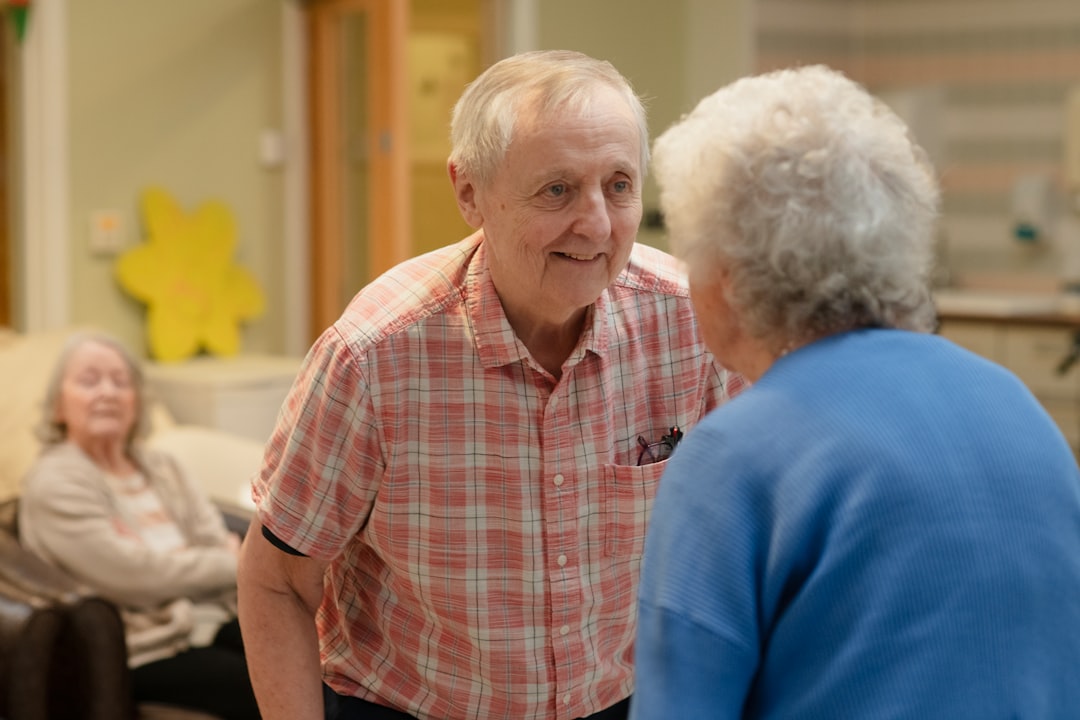
In 2020, a 100-year-old patient was admitted to a newly opened hospital. This elderly woman, who came to the hospital alone without any guardians, arrived at the emergency room in a state of confusion after falling in her room three days prior to admission. Her cough and phlegm worsened, and her inflammation levels rose, leading to a diagnosis of pneumonia. While initially tense due to her advanced age, the more significant issue was the absence of any next of kin.
Challenges for Patients Without Guardians
The lack of a guardian to make decisions presented a grave problem. Consent was needed for crucial tests and treatments, but even the neighbor who brought the patient to the ER found it difficult to step forward. There was no one to consult with regarding life-sustaining treatments such as CPR or ventilator support. Without even being able to find a caregiver, the nurses had to attend to the patient amidst the incessant beeping of alarms.
More than twenty days passed since the patient's admission, but her condition did not improve, and she eventually passed away. That night, we were left contemplating what we should do for patients without next of kin in our hospital.
The Importance of Teamwork
Subsequently, we convened a meeting with the departments of Hospital Medicine, Emergency Medicine, Nursing, Patient Services, and Social Work to discuss how to collectively address such issues. Sharing our experiences, we devised a concrete plan outlining the procedures to follow from the moment a patient enters the hospital.
- Whom should we contact?
- At what point would administrative agencies or the police need to be involved?
- How would the discharge and funeral arrangements be handled?
Thanks to these discussions, when another patient without next of kin arrived at the hospital a few months later, we were able to swiftly take the necessary actions. Each department understood its role, and the process of treatment and administration flowed seamlessly. The hospital was less flustered, and the patient could feel less alone.
A Patient-Centered Healthcare System
Through this experience, we re-evaluated the role of hospitalists. We realized that spending a day on the ward requires not only treating the illness but also contemplating how to protect the patient's dignity and safety. Good medical practice saves one person, but a good system protects the next. This is the path to improving the quality of healthcare.
Ultimately, the 100-year-old patient left us with a new challenge. Thanks to her, the procedures for caring for patients without next of kin have been improved, and the way we address each other has become a little warmer. We were reminded once again that a hospital is not just a place to cure illnesses, but a place to endure someone's most vulnerable moments together and to uphold their dignity until the very end.