Rice Cooking Hacks: Unlock Deliciousness with Milk and Oil
Rice Cooking Hacks: Try Using Milk and Oil!
How do you cook your daily rice? If you've just been adding water and hitting the cook button, why not try a different approach from now on? Here are some useful tips, especially for cooking stale, dry old rice or tough multi-grain rice.
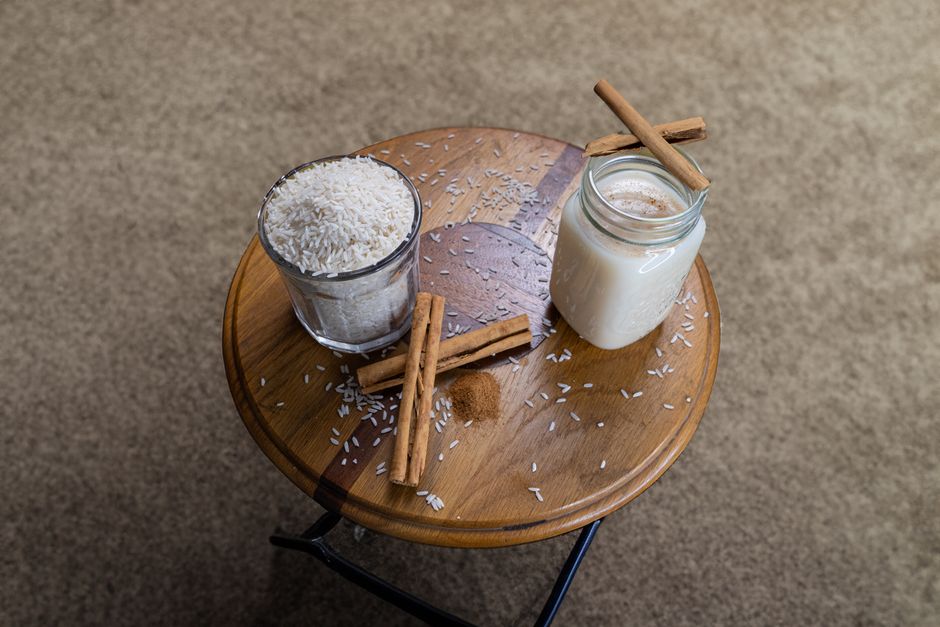
Characteristics and Preparation of Old Rice
As old rice is stored for longer periods, it loses moisture and the fatty acids on its surface oxidize, making it particularly prone to becoming dry and crumbly. Moreover, old rice can develop a distinct musty smell, which inevitably affects the taste of the rice, no matter how well you get the water ratio right. That's why when cooking old rice, it's essential to soak it thoroughly in water. Letting it absorb water for at least 30 minutes to an hour ensures that moisture evenly penetrates the rice grains, eliminating their characteristic hardness.
Revive Your Rice with Milk
Adding a little bit of milk when cooking rice allows the grains to absorb moisture fully, resulting in a surprisingly moist and tender texture. The subtle richness of milk infuses the rice with a delicate flavor, creating a nutty taste that gets better with every bite. The ideal ratio is about 7 parts water to 3 parts milk. Be careful not to add too much, as it can make the rice mushy and clump together like sticky rice cakes!
This milk trick works wonders not only for plain white rice but also shines when cooking multi-grain rice or brown rice. For healthy but often coarse and dry multi-grain rice, mixing in milk softens the texture, making it much more enjoyable to eat.
Healthy Rice Cooking with Olive Oil
After measuring the right amount of water for your rice, adding a small drizzle of olive oil can make it even more delicious. If you don't have olive oil at home, other vegetable oils like avocado oil or coconut oil work just as well. A touch of familiar sesame oil can also be a great alternative.
Cooking rice with vegetable oil coats each grain, resulting in a smoother texture and a richer, nutty flavor as you chew. Most importantly, rice cooked with oil slows down the body's digestion and absorption rate, preventing sharp spikes in blood sugar after meals. This makes it a very useful trick for managing blood sugar levels.
Satiety and Weight Management
The unsaturated fatty acids abundant in oils offer numerous health benefits and help you feel full for longer after a meal. This prevents post-meal hunger pangs, reducing the temptation to snack on unnecessary items. It can also be a great aid for those aiming for weight loss!
By incorporating these rice cooking methods using milk and oil, bring a richer and healthier change to your dining table. Why not try cooking up some delicious and nutritious rice?