Foods and Management Tips for Reducing Inflammation in Your Body
Managing Inflammation in Your Body
Inflammation within our bodies can lead to various discomforts. While inflammation is a defense response to injury, chronic inflammation can become a root cause of numerous diseases. In particular, joint pain and muscle soreness are common afflictions many people experience. So, let's explore foods and management strategies that can effectively reduce this inflammation.
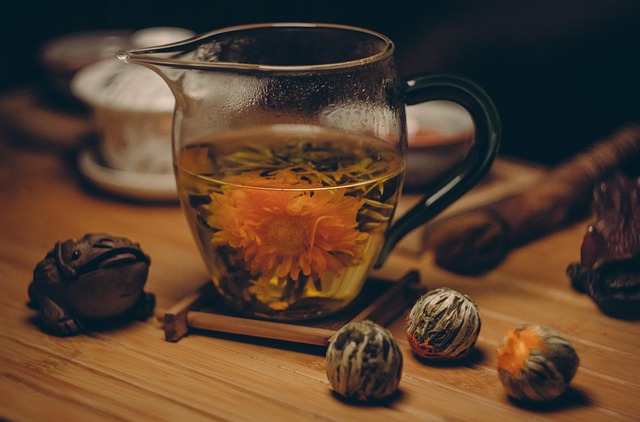
Foods Beneficial for Inflammation
Your daily eating habits are crucial for reducing inflammation. Here are some foods that can help:
- Ginger: Ginger is one of the most effective foods for reducing inflammation. Consuming it as ginger tea is even better. Studies have shown that groups who consumed ginger experienced a 25% reduction in muscle soreness.
- Salmon: Oily fish like salmon are rich in Omega-3 fatty acids, which possess natural anti-inflammatory properties. This can help in reducing inflammation.
- Tart Cherries: Tart cherries are packed with antioxidants, making them effective in reducing chronic inflammation. Consistently consuming fresh cherries or tart cherry juice daily can significantly help alleviate joint pain.
- Mackerel: Mackerel, like salmon, is also high in Omega-3s, making it effective in reducing inflammation. Mackerel is also rich in vitamins and calcium, making it a healthy food choice.
- Soy Sauce: Fermented soy sauce may be beneficial for arthritis. Studies have indicated that arthritis patients who regularly consumed soy sauce experienced a significant decrease in pain.
- Coffee: The caffeine in coffee can help alleviate post-exercise muscle soreness. However, excessive consumption should be avoided.
- Chamomile Tea: Chamomile is effective in soothing digestive issues and insomnia, and it also has anti-inflammatory properties.
Inflammation Management Strategies
Beyond your diet, adopting healthy lifestyle habits is essential for managing inflammation. Regular exercise and adequate sleep play a significant role in reducing inflammation. It's also important to manage stress and maintain a relaxed state of mind. In particular, stress management has a positive impact on alleviating various symptoms associated with inflammation.
Conclusion
Today, we've explored foods and management tips to help reduce inflammation in your body. Healthy eating habits and a regular lifestyle are key to preventing inflammation and maintaining a healthy life. We encourage you to actively incorporate these foods into your daily routine. Wishing you a healthy and vibrant day!