Germinated Brown Rice vs. Brown Rice: Differences and Benefits
With the growing interest in health, there's been an increasing focus on germinated brown rice and brown rice. While these two grains are loved by many, people often aren't fully aware of their differences and benefits. Today, we'll explore the characteristics and benefits of germinated brown rice and brown rice, along with how to make brown rice tea.
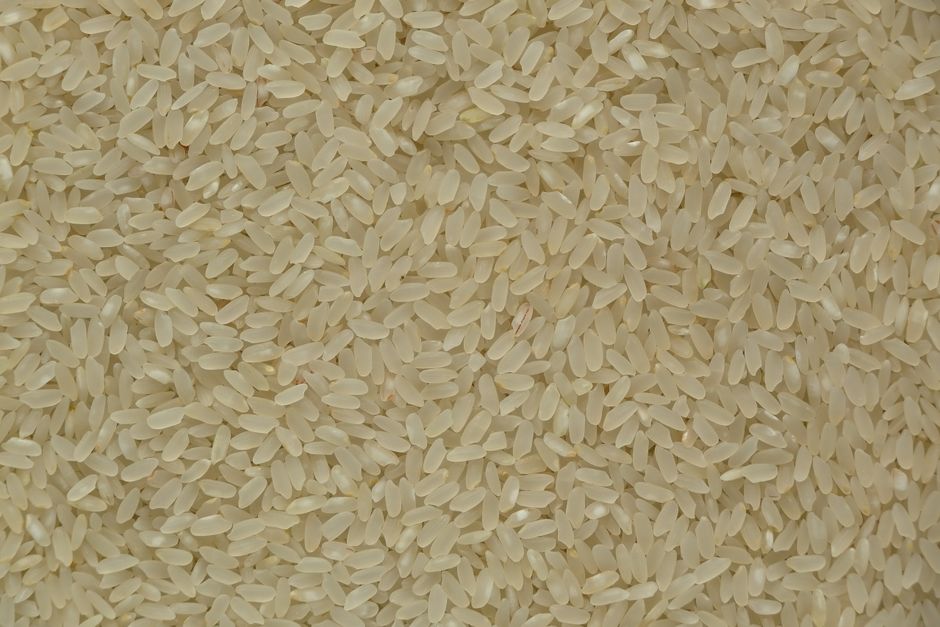
Differences Between Germinated Brown Rice and Brown Rice
The most significant difference between germinated brown rice and brown rice is whether or not it has sprouted. Brown rice, with only the husk removed, is rich in nutrients but can have a somewhat rough texture, and phytic acid may interfere with mineral absorption. On the other hand, germinated brown rice is allowed to sprout to about 1-2mm by maintaining optimal moisture and temperature. During germination, enzymes become activated, resulting in a softer texture and easier digestion. Notably, germinated brown rice contains tens of times more GABA than regular brown rice, which aids in nerve calming and blood pressure regulation.
Amazing Benefits of Germinated Brown Rice
Germinated brown rice is loved by many for its various benefits. Among them, the most notable ones include:
- Diabetes Management: Germinated brown rice is effective in managing diabetes by suppressing post-meal blood sugar spikes.
- Anti-aging: Rich in gamma-oryzanol, it prevents cellular aging throughout the body and helps prevent cardiovascular diseases.
- Dieting: Thanks to its high dietary fiber content, it promotes satiety and is effective in preventing constipation.
Benefits and How to Make Brown Rice Tea
The benefits of brown rice tea are just as noteworthy as those of germinated brown rice. Brown rice tea promotes blood circulation and has excellent detoxification effects, helping to expel waste and toxins from the body. It's particularly good for relieving thirst in diabetic patients and helps calm the autonomic nervous system, thereby reducing stress.
Making brown rice tea is simple. Follow these steps:
- Rinse the brown rice thoroughly, drain it, and roast it in a dry pan over low heat without oil.
- Roast until it turns a deep golden color, then add 1-2 tablespoons of the roasted brown rice to 1 liter of water and boil for about 10-15 minutes.
- Finally, pour the brewed tea into a bottle and drink it as needed.
Side Effects and Precautions for Germinated Brown Rice and Brown Rice
While germinated brown rice offers many benefits, it also has potential side effects. Improper moisture management during germination can lead to mold or bacterial growth, so hygiene is crucial. Additionally, individuals with weak digestion may benefit from mixing it with white rice and consuming it in small amounts initially. When purchasing brown rice, avoid those with a lot of broken grains and choose ones of uniform size.
As you can see, germinated brown rice and brown rice each have their unique characteristics and benefits, and they can significantly contribute to our health. For a healthier diet, actively incorporate germinated brown rice and brown rice into your meals!