Banana Glycemic Index (GI) and Consumption Precautions
Bananas are a fruit that many people enjoy due to their convenience and sweet taste. However, questions often arise about their glycemic index (GI) and glycemic load. Today, we'll explore the GI of bananas and precautions for consumption, especially for those with diabetes.
The Secret of Banana's Glycemic Index (GI)
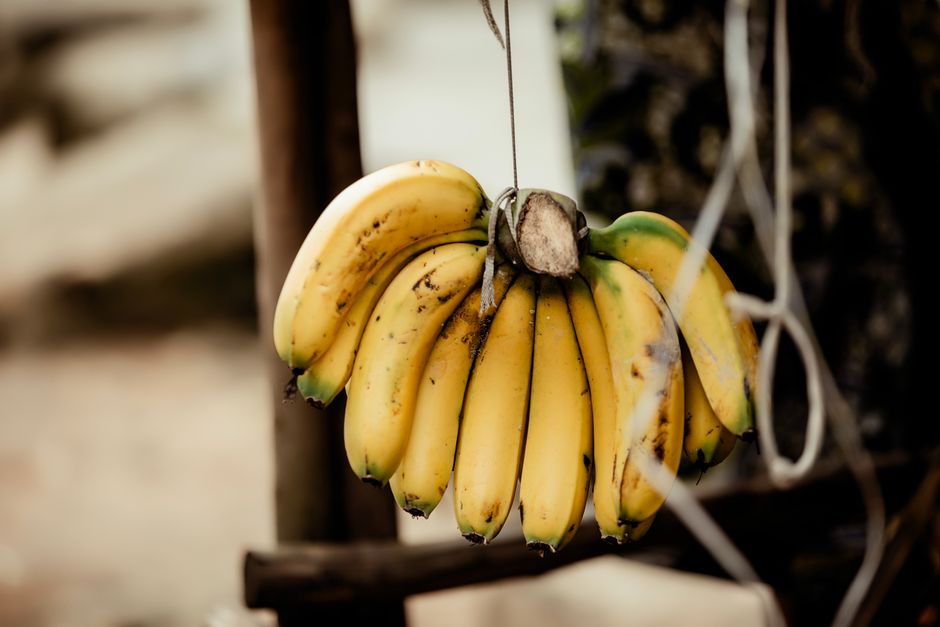
The glycemic index of a banana varies significantly depending on its ripeness. Unripe green bananas have a low GI of 45-48 and are rich in resistant starch, which helps create a more gradual blood sugar curve. On the other hand, ripe yellow bananas fall into the medium GI range of 51-55. As bananas become overripe with black spots, their GI increases to 60-65, placing them in the medium-to-high GI category. It's crucial to remember that the ripeness of a banana greatly influences its effect on our bodies.
Banana's Glycemic Load (GL)
The glycemic load (GL) of a banana is also an important factor. A medium-sized banana contains about 23g of carbohydrates, which is quite substantial. Calculated based on this, the GL is around 10-11, placing it in the medium category. Therefore, individuals with diabetes are advised to consume bananas in moderation, perhaps half a banana at a time, rather than the whole fruit at once, to manage blood sugar levels safely.
Effective Ways to Consume Bananas
There are several ways to enjoy bananas healthily. Firstly, avoid drinking bananas as juice, as this can lead to a rapid absorption of sugars and a sharp spike in blood glucose. Secondly, it's better to consume bananas with other foods like Greek yogurt, nuts, or a hard-boiled egg, rather than eating them alone. These foods help slow down the metabolism of the sugars in bananas. Thirdly, bananas are more effectively consumed as a snack during active periods of the day rather than on an empty stomach in the morning.
Precautions When Eating Bananas
- Unripe Green Bananas: Opt for these when blood sugar management is a top priority, as they cause a slower rise in blood glucose.
- Ripe Yellow Bananas: Consume half a banana at a time, preferably with nuts.
- Bananas with Black Spots: Due to their increased sweetness, individuals with diabetes should avoid these or consume them in very small quantities, chewing thoroughly.
Bananas are packed with nutrients on their own, but how you consume them can significantly impact your body. Therefore, it's important to consider the ripeness and consumption methods to incorporate bananas healthily into your diet. Enjoy your bananas more wisely starting today!