Milk and Eggs: The Perfect Pair, Not a Conflict
Milk and Eggs: The Perfect Pair, Not a Conflict
Milk and eggs are familiar ingredients often found on breakfast tables. On busy mornings, we might have a fried or hard-boiled egg with a cool glass of milk. Or perhaps, we add a splash of milk when making fluffy scrambled eggs. But how do these two delicious and smooth ingredients actually interact within our bodies? To put it simply, from the perspective of modern nutrition and food biochemistry, the combination of eggs and milk is a perfect synergistic blend that complements each other's nutritional deficiencies, creating a powerhouse of well-being.
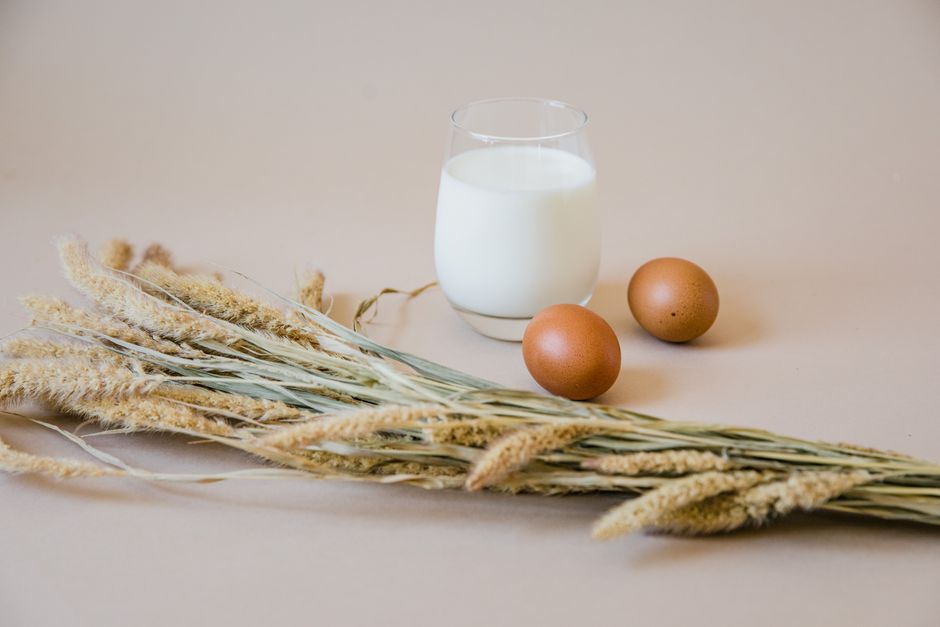
Nutritional Synergy at its Finest: The Harmony of Complete Foods
Eggs and milk are each considered complete foods, containing a balanced array of nutrients. When these two friends come together, it's a nutritional feast in our bodies. Particularly, they are rich in essential amino acids. When the animal protein from eggs combines with the protein from milk, the absorption efficiency and bioavailability in the body significantly increase. There's no more cost-effective 'natural protein booster' for building muscle or regenerating immune cells.
Furthermore, while eggs are somewhat lacking in calcium, milk amply provides it. Conversely, milk is a bit low in Vitamin D, but the Vitamin D abundant in egg yolks plays a crucial role in helping the calcium from milk be smoothly absorbed into our bones and teeth. They truly are a fantastic pair, filling each other's gaps perfectly.
Rumors and Realities: The Truth About Milk and Egg Combinations
One common rumor circulating online is that "eating milk and eggs together causes indigestion." This is actually a misunderstanding stemming from the properties of soybeans and egg whites being miscommunicated. Raw egg whites contain compounds that can hinder protein absorption, and the casein protein in milk also has a slightly longer metabolic pathway. However, since we typically eat cooked eggs, enjoying fully cooked eggs or warm scrambled eggs with milk has absolutely no connection to interfering with digestive enzymes.
Points to Consider for Gut Health
No matter how well ingredients pair, slight metabolic fatigue can occur depending on your individual digestion or cooking method. For instance, consuming raw eggs and milk together can lead to digestive sluggishness, so caution is advised. After exercise, it's best to pair fully cooked eggs with milk. Also, for those with lactose intolerance, consider substituting regular milk with lactose-free milk or yogurt. This way, you can maintain a comfortable stomach while still getting your nutrients.
Cooking Tips to Enhance Flavor and Nutrition
Here are some great tips to enjoy the combination of eggs and milk even more healthily. When consuming these two foods, it's beneficial to pair them with vegetables rich in dietary fiber and Vitamin C. For example, adding a slice of fresh tomato or a crisp lettuce salad can aid bowel movements and gently regulate nutrient metabolism. Additionally, adding milk when making soft steamed eggs or French toast results in an even more moist and delicious breakfast.
In conclusion, milk and eggs are not conflicting foods. Through proper cooking methods and pairings, harness the robust protein and vibrant energy these two complete foods offer. For a healthy and energetic day, why not start enjoying a delicious egg dish with a glass of creamy milk today?