The Truth About Bananas on an Empty Stomach and Blood Sugar
The truth about bananas on an empty stomach and blood sugar! Shall we talk about metabolic reversals and a comfortable breakfast formula? On busy mornings, when you're rushing to get ready for work or school, a banana, with its peel easily removed, is a true lifesaver. Its soft sweetness quickly satisfies hunger, and it's packed with dietary fiber that gently aids digestion and potassium that helps flush out sodium from the body, making it a popular choice for a healthy breakfast alternative. However, you might have worried, thinking, 'I heard that eating a banana on an empty stomach causes a sudden blood sugar spike, so should I really avoid bananas in the morning?' Based on the latest research in metabolic clinical science and food nutrition, let's explore the real impact of eating bananas on an empty stomach in the morning on blood sugar, and discover golden formulas for enjoying morning bananas safely and smartly without straining your pancreas.
Why Have Morning Bananas on an Empty Stomach Become a Target for Blood Sugar Concerns?
To get straight to the point, eating a banana alone on a completely empty stomach first thing in the morning requires some caution from a blood sugar metabolism perspective. There's a scientific reason involving our body's morning hormones and the nutritional density of bananas. The morning hormone cortisol is released to wake up the body and inherently tends to slightly raise blood sugar levels. In other words, the empty stomach state in the morning is a time when insulin resistance is higher, and blood sugar levels can fluctuate more sensitively. A medium-sized banana contains about 23g of carbohydrates, which can open up the metabolic absorption highway, potentially leading to a 'blood sugar spike' where glucose levels rise rapidly.
Morning Banana Blood Sugar: Check the Banana's Color
But this doesn't mean you have to completely cut bananas from your diet! Recent food chemistry research shows that the impact on blood sugar varies significantly depending on how ripe the banana is. For example:
- Underripe Bananas: Bananas with a greenish tint at the ends have a low glycemic index (GI) of around 40s and are absorbed very slowly, making them relatively safe.
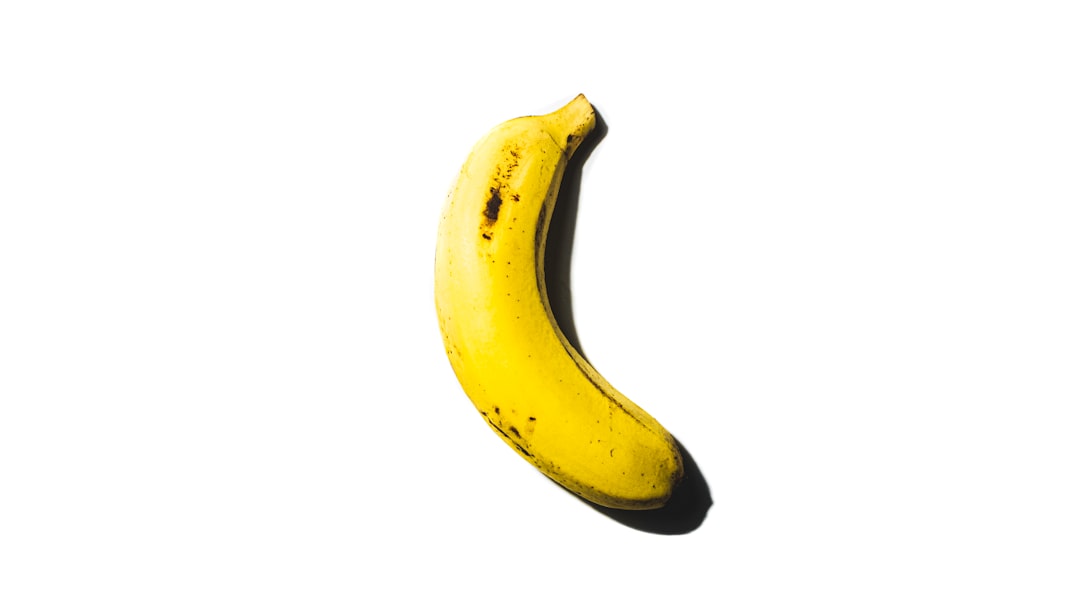
- Ripe Bananas: Bananas with black spots have converted most of their starch into simple sugars. It's best to avoid these on an empty stomach in the morning as they can cause a rapid increase in blood sugar levels.
Morning Banana Blood Sugar: 'Taming' Your Morning Banana to Protect Your Pancreas
Here are three smart ways to incorporate morning bananas that allow you to enjoy their rich minerals and energy while keeping your blood sugar curve as smooth as a gentle hill.
- Pair with Protein and Healthy Fats: When eating a banana in the morning, always have it with 1-2 hard-boiled eggs, grilled tofu, or nuts like almonds. This combination can effectively prevent blood sugar spikes.
- Use as a Topping for Yogurt or Cereal: Instead of eating a whole banana, slice half a banana thinly and sprinkle it as a topping on unsweetened Greek yogurt or oatmeal. This reduces the blood sugar load and promotes longer-lasting fullness.
- Absolutely No Morning Banana Smoothies: Blending bananas into a smoothie can lead to a blood sugar explosion. Always consume them in a chewed form.
Our body's metabolic organs respond very differently depending on the order in which we introduce food during the sensitive morning hours. If you've been mindlessly grabbing a banana to get through your busy mornings, try applying the smart combination strategies we've discussed today. A small change, like waking your stomach with a glass of warm water, eating a hard-boiled egg first, and then slowly chewing half a banana with a satisfying crunch, can help clear morning blood sugar anxieties and fill you with energizing vitality to start your day.