5 Genius Tips to Reheat Leftover Chicken Like a Pro
Give Leftover Chicken a Delicious Second Life!
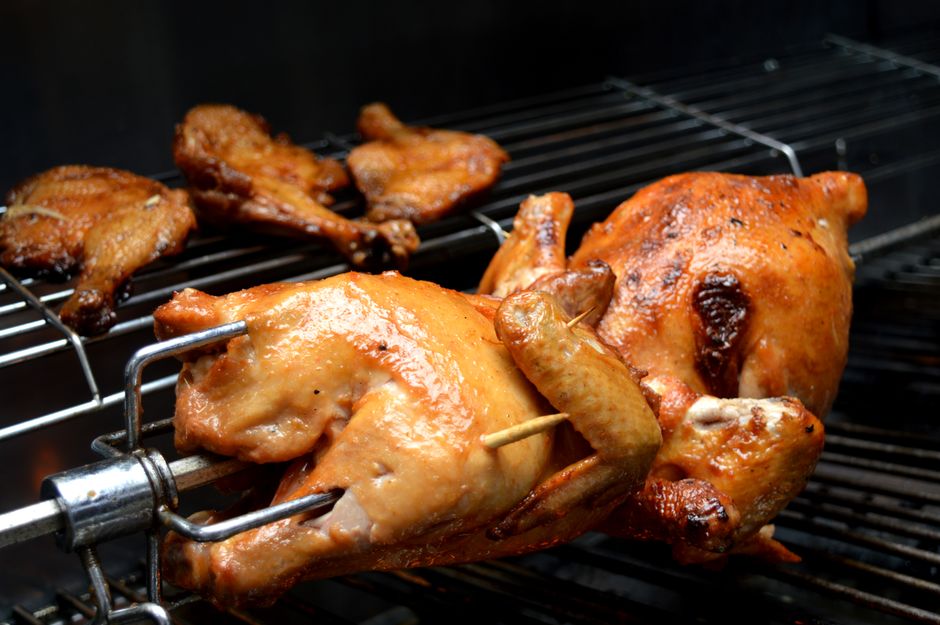
Chicken is always a winner, right? But if you've got leftovers sitting in the fridge, a quick zap in the microwave often leads to soggy skin and dry, tough meat, completely ruining that initial deliciousness. That's why today, I'm sharing some genius tips to reheat leftover chicken so it tastes almost as good as new. Let's bring those leftovers back to life!
1. The Golden Rule of Storage: Kitchen Towels!
When storing leftover chicken, line your airtight container with a layer of kitchen towels. This simple trick absorbs excess grease and moisture, preventing the crispy coating from getting soggy. Adding another towel on top can also help prevent odors from transferring. Plus, let your chicken cool down a bit before sealing the lid – this helps maintain that delightful crispy texture for much longer.
2. Give Them Space: Don't Overcrowd!
Instead of stacking chicken pieces on top of each other, try to arrange them with a little space in between. This prevents them from sticking together. For the best taste and safety, aim to consume your leftover chicken within 2 days of refrigeration. Be mindful that over time, the cooking oil can oxidize, leading to off-flavors and a less appealing texture.
3. Ditch the Microwave, Grab a Pan!
Microwaving leftovers often results in that dreaded soggy skin and chewy meat. A much better approach is to gently reheat them in a frying pan over low heat. Start by warming the pan slightly – no need for extra oil, as the chicken's own residual fat will help crisp up the skin. Just place the chicken pieces directly onto the pan.
4. Foil and Lid for Ultimate Moisture!
Lightly cover the chicken with aluminum foil while it's in the pan. The foil traps heat, allowing the chicken to warm through evenly without drying out. Adding a lid to the pan creates a steamy environment, keeping the meat wonderfully moist. Avoid cooking one side for too long; flip the chicken gently every so often. Too much flipping can dislodge the coating, so aim to flip when the skin is getting nicely crisp.
Maintaining a low heat ensures the chicken warms up thoroughly without burning the exterior. This is especially important for refrigerated chicken, which can become tough on the outside and remain cold inside if heated too quickly over high heat.
With these simple yet effective tips, you can enjoy your leftover chicken all over again! To all the chicken lovers out there, give these methods a try and revive those delicious leftovers!