The Positive Impact of Religious Rituals on the Brain
Religious Rituals and Positive Brain Changes
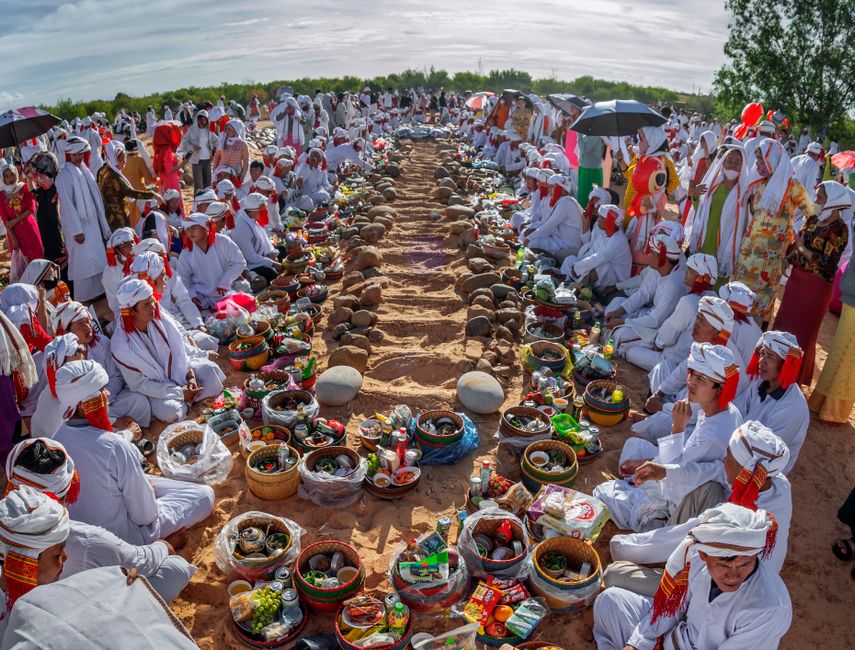
Recent studies suggest that participating in religious rituals can have a positive effect on our brains. Various religious ceremonies, such as worship services in churches, masses in cathedrals, or dharma talks in temples, have been shown to activate our brain's natural pain relief system and contribute to strengthening bonds between people.
Background and Methods of the Study
This research was conducted by a team led by Dr. Robin Dunbar, an evolutionary psychologist and anthropologist at the University of Oxford in the UK. The researchers analyzed the psychological and physiological effects of religious rituals on 265 members of religious communities in the UK and Brazil. These were adults belonging to 24 different religious organizations, and various surveys were conducted to measure changes before and after worship services or religious ceremonies.
Effects of Religious Rituals
The study found that after religious rituals, participants reported feeling stronger trust, intimacy, and a sense of belonging towards their community members. Positive emotions increased while negative emotions decreased, and their pain threshold also rose compared to before the ritual, meaning participants could tolerate greater pain.
- Increased trust and intimacy
- Increase in positive emotions
- Decrease in negative emotions
- Rise in pain threshold
The Role of the Mu-Opioid System
This study revealed that these changes are related to the activation of the brain's mu (μ)-opioid system. Mu-opioids are neurochemicals that play a crucial role not only in pain relief but also in reward, pleasure, and the formation of social bonds. The researchers explained that the sense of community cohesion experienced by participants was linked to positive emotions, a connection with the divine, and an increased pain threshold.
The Social Function of Religious Rituals
This research supports the theory that religious rituals have evolved to serve the function of strengthening social cohesion. Religious activities such as communal prayer, singing, and group actions are said to stimulate the brain's opioid system, helping to form strong bonds even within large groups. The researchers stated, "Regular religious rituals can help maintain community cohesion by activating the opioid processes associated with bonding."
The findings of this study support the hypothesis that religious rituals have played an important social function in human societies and once again confirm that religion positively impacts not only individual well-being but also the formation of social bonds.