Tick-Borne Encephalitis: The Serious Aftermath of a Bite
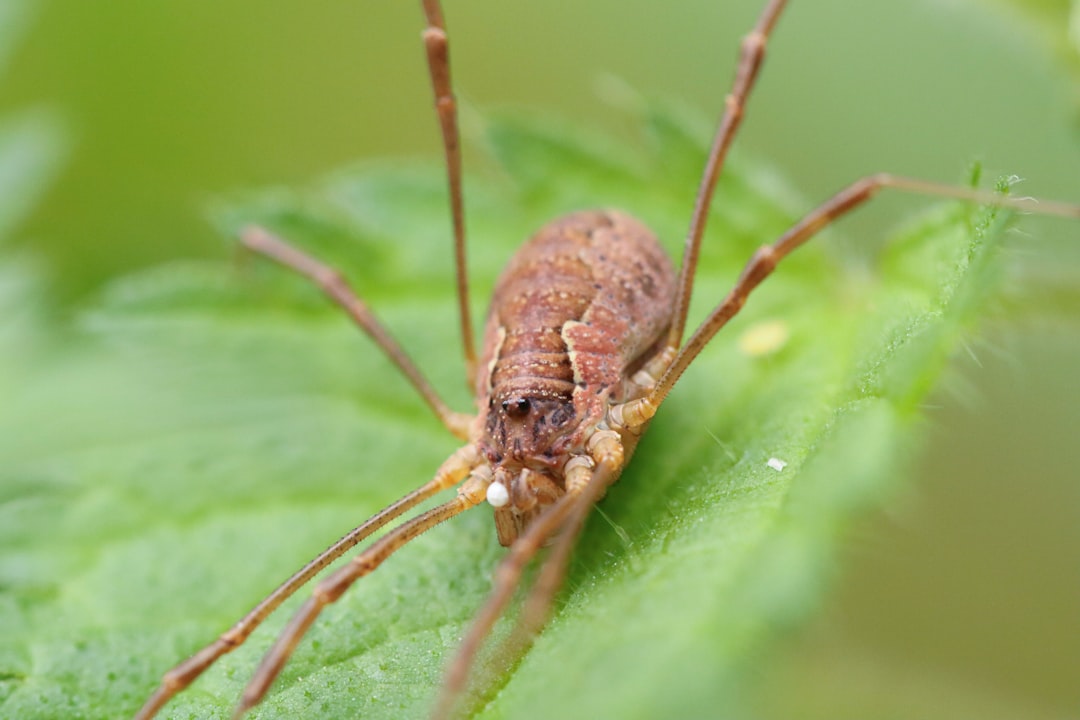
The Dangers and Consequences of Tick Bites
Recently, news broke about a man in his 60s who suffered severe after-effects from encephalitis contracted after a tick bite. The man had participated in a swimming and running event in the Åland Islands, between Sweden and Finland. He discovered a bite mark on his back but didn't think much of it at the time. However, upon returning home, he developed symptoms such as a severe headache, muscle aches, and fever. He was eventually diagnosed with Tick-Borne Encephalitis (TBE) at the hospital.
What is Tick-Borne Encephalitis (TBE)?
Tick-Borne Encephalitis is a central nervous system infectious disease caused by the bite of an infected tick. This disease is primarily found in Europe, Russia, northeastern China, and Hokkaido, Japan. The causative virus belongs to the Flavivirus genus. A significant number of infected individuals show no symptoms or experience mild fever and muscle aches, but some patients suffer serious long-term consequences.
Symptoms and Diagnosis
After being infected with TBE, symptoms typically appear within 7-14 days, resembling those of the flu, including fever, headache, fatigue, and muscle aches. If the symptoms temporarily improve and then progress to the encephalitis or meningitis stage, severe symptoms like excruciating headaches, decreased consciousness, balance disorders, and seizures can occur.
Diagnosis is made through blood tests and cerebrospinal fluid tests. Currently, there is no specific antiviral treatment to directly eliminate the TBE virus. Therefore, hospitalization involves supportive care such as fluid replacement, pain management, and monitoring of neurological status.
Prevention and Precautions
In addition to TBE, Severe Fever with Thrombocytopenia Syndrome (SFTS), a common illness in Korea, affects many patients annually. Since the risk of tick exposure is high during outdoor activities, the following precautions should be taken for prevention:
- Wear long clothing.
- Use insect repellent.
- Take a shower and check for ticks immediately after returning home.
Especially after a tick bite, if symptoms like fever, severe headache, muscle aches, or neurological symptoms appear, seek medical attention immediately.
Warning Signs After a Tick Bite
The following are warning signs to watch out for after a tick bite:
- The bite area enlarges or a circular rash appears: This could be an early sign of Lyme disease.
- Unexplained high fever: Be cautious if a fever above 38°C (100.4°F) persists after a tick bite.
- Severe headache or stiff neck: A headache that doesn't subside with painkillers may indicate meningitis.
- Changes in consciousness or dizziness: Decreased concentration or severe dizziness could signal a problem with the central nervous system.
- Vomiting, diarrhea, and severe lethargy: If these occur after outdoor activities, check for tick-borne infections.
As these symptoms after a tick bite can be indicators of serious illnesses, it's crucial to pay close attention. Proactive prevention and prompt action are paramount to safeguarding your health.