Bibimbap: Pitfalls and Tips for Blood Sugar Management
Bibimbap: A Healthy Meal's Hidden Pitfall
Bibimbap, with its medley of diverse vegetables, sesame oil, and a fried egg, is known to many as a healthy meal. However, surprisingly, many people report experiencing a sudden blood sugar spike after eating it. This is particularly concerning for those in the pre-diabetes stage who need to be extra mindful of their blood sugar levels. What exactly about bibimbap can affect blood sugar?
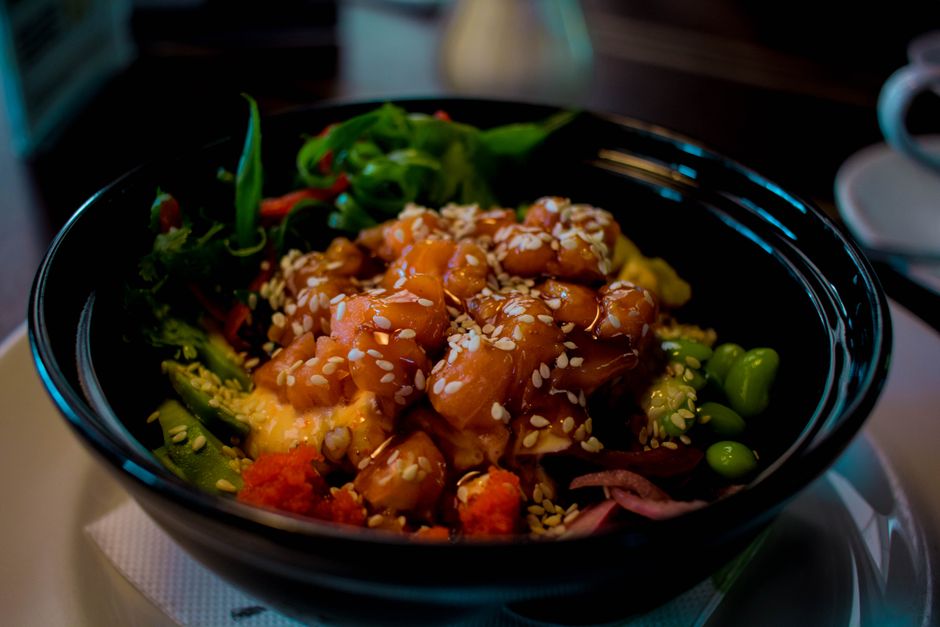
The Hidden Danger of Gochujang
While bibimbap contains many healthy ingredients, the amount of gochujang used can significantly impact blood sugar levels. Gochujang contains about 15g of sugar and 35g of carbohydrates per 100g. Therefore, using a large amount of gochujang can lead to excessive intake of simple sugars, negatively affecting blood sugar management. It's advisable to opt for low-sugar gochujang products when possible.
How Eating Speed Affects Blood Sugar
Bibimbap is a dish that can easily be consumed in large quantities at once. Eating too quickly can cause sugars and carbohydrates to be absorbed rapidly, leading to a sharp rise in blood sugar. This is similar to why foods like porridge or fruit juice are not recommended for diabetics. Therefore, it's best to take at least 20 minutes to eat your bibimbap. While this can be challenging in social dining settings, try to cultivate the habit of eating slowly.
The Importance of Vegetable Ratio
The core of bibimbap lies in its variety of vegetables and seasoned greens. However, sometimes there can be too much rice and too few vegetables. In such cases, it's almost like mixing gochujang directly with rice, leading to a blood sugar spike. Vegetables and greens are rich in dietary fiber, which helps to slow down the rise in blood sugar. Therefore, it's crucial to include plenty of diverse vegetables and greens when preparing bibimbap.
Bibimbap Preparation for Pre-Diabetes
For those in the pre-diabetes stage, here are some recommended ways to prepare bibimbap:
- Ensure a generous amount of various vegetables.
- If low-sugar gochujang isn't available, try using low-sodium soy sauce or doenjang (soybean paste).
- Before mixing everything, take half of the vegetables and greens, mix them with flavorful sesame oil, and eat them first.
- Mix the remaining half with rice and eat.
This method helps the first portion of vegetables fill your stomach, aiding in a more gradual blood sugar increase. For individuals managing blood sugar, reducing the amount of rice is particularly important. On the other hand, healthy individuals with normal blood sugar levels don't need to be this meticulous. However, for those in the pre-diabetes stage, such careful blood sugar control is essential. It's better to be proactive now than to regret it after a diabetes diagnosis.