Common Spelling Corrections and the Difficulty of Understanding Foreign Languages
Common Spelling Corrections and the Difficulty of Understanding Foreign Languages
Hello everyone! Today, we're going to talk about common spelling corrections and Korean words that are difficult for foreigners to understand. Korean is a beautiful yet complex language, and it can present many challenges, especially for non-native speakers. So, let's first dive into the spelling corrections we often hear these days, shall we?
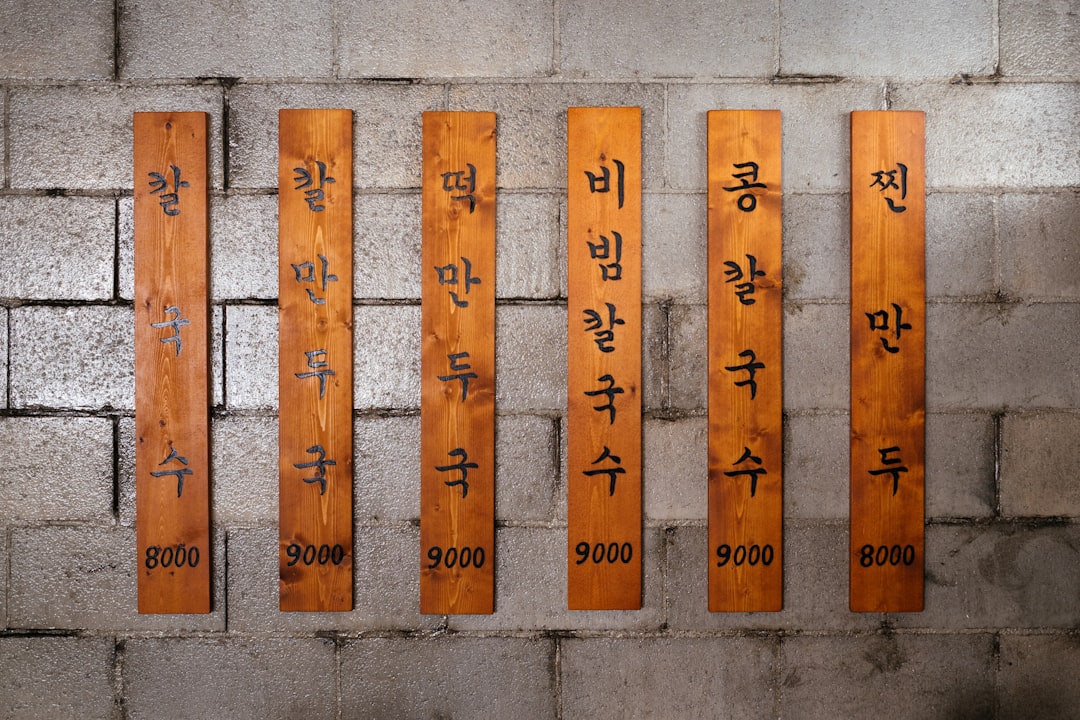
Common Spelling Corrections
Spelling corrections that frequently occur around us can sometimes cause discomfort even among friends. For example, the expression '오랫만에' (olet-man-e) is actually incorrect; the correct form is '오랜만에' (o-raen-man-e). Let's look at a few spelling mistakes that Koreans often make:
- 어의없다 → 어이없다 (eui-eopda → eoi-eopda)
- 병이 낳았다 → 병이 나았다 (byeong-i natda → byeong-i nawatda)
- 않하고 → 안하고 (an-hago → an-hago)
- 문안하다 → 무난하다 (munan-hada → munhan-hada)
- 금새 바뀌었다 → 금세 바뀌었다 (geumsae bakkwieotda → geumse bakkwieotda)
There are many other spelling rules that people get confused about. While these corrections can sometimes feel a bit tiring for everyone involved, language is a tool for communication, so mutual understanding and consideration are important.
Korean Words Difficult for Foreigners to Understand
As we live in a globalized era, there are increasingly more Korean words that are difficult for foreigners to understand. While Hangeul is beautiful and sophisticated, the subtle differences in pronunciation can cause confusion for non-native speakers. For instance, the word '말' (mal) can mean 'horse' when pronounced shortly, but it means 'words' or 'speech' when pronounced longer. Because the meaning of the same word can change depending on the context, it can be challenging for foreigners.
Additionally, words like 눈 (nun), 배 (bae), and 가구 (gagu) can cause confusion because they have multiple meanings. Specifically, '눈' (nun) can refer to the ice crystals that fall from the sky or the organ we use for sight. With so many words having diverse meanings, foreigners may find it difficult to grasp them easily.
Language Use We Should Uphold
Ultimately, we need a correct understanding of spelling and language usage. We possess Hangeul, a magnificent cultural heritage, and by using it correctly, we can enhance the quality of our communication. Furthermore, it's important to introduce our language to foreigners and help them understand it. Language is not merely a tool for communication; it's a vital element that embodies culture and identity.
So, how about we make our communication smoother through the correct use of Korean? Language is one way to understand and respect each other. Wishing you a healthy and happy day today!