Onion Buying Tips: How to Choose Onions That Won't Spoil
The Importance of Buying Onions Wisely
Onions are a staple ingredient found in almost every kitchen. They're used in so many dishes, from soups and stews to stir-fries, which is why many people buy them in bulk. But how many of us have experienced onions that looked fine at the store, only to find them mushy or smelling off just a few days later? Sometimes, even if the outside feels firm, the spoilage starts from the inside, making it crucial to inspect them carefully at the time of purchase.
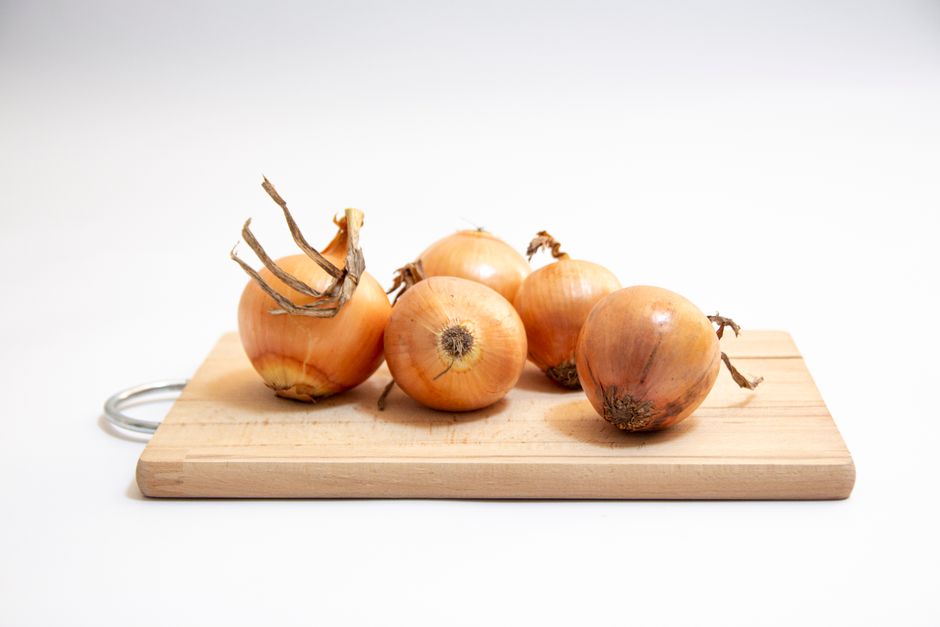
Onion Selection: A Checklist
Many people tend to check only the size and firmness when picking out onions. While a heavy, firm onion is often a sign of freshness, it's not the whole story. It's actually important to examine the areas around the skin and the root. Here's what to look out for:
- Black Spots or Dust: Be cautious if you see marks that look like black spots or find black dust on the surface. It might seem like just dirt, but it could indicate other issues.
- Black Mold: Dark marks visible between the layers of the skin are often a sign of black mold. Even a small amount on the outside can affect the inside.
- Smell Test: If the onion has a musty or damp smell that's different from the usual onion aroma, it might already be past its prime.
How to Store Onions
Onions often start to go bad from the inside out, making it hard to tell their condition just by looking at the exterior. Onions with dark marks are particularly prone to becoming mushy quickly. If you've bought a large batch, it's important to check on them periodically. Try these storage methods:
- Spread Them Out: Instead of piling them up right after buying, it helps to spread them out to dry first. Removing excess moisture from the surface can reduce spoilage during storage.
- Individual Wrapping: Storing onions so they don't touch each other helps prevent moisture and odors from concentrating. Wrapping each one in paper is also a good option.
- The Right Spot: Store them in a cool, well-ventilated place away from direct sunlight. Depending on your environment, storing them at room temperature might be better than keeping them in the refrigerator.
Precautions When Preparing
You need to be extra careful when preparing onions that already show signs of spoilage. While some might be tempted to just cut away the bad parts, it's essential to check the inside as well. If the flesh has turned brown or is mushy when you cut into it, it's best not to consume it. An unusual smell or a sticky texture can also be warning signs.
Onions are common and inexpensive ingredients, but their taste and freshness can vary greatly depending on how they are stored. Simply making a habit of checking for black spots or dust when you buy them can help reduce the chances of bringing home a bad batch. Combined with simple storage techniques like drying them before storing and individual wrapping, you can keep them fresh for much longer. For ingredients we use every day, small differences in care can make a big impact.