How to Boil Eggs: Insider Tips You Never Knew!
How to Boil Eggs: Insider Tips You Never Knew!
Eggs, a staple in most refrigerators, are a common ingredient for many. But have you ever had your eggs crack while boiling or struggled to peel them? We've all been there! Today, we're sharing how to solve these common problems and achieve perfectly boiled eggs every time.
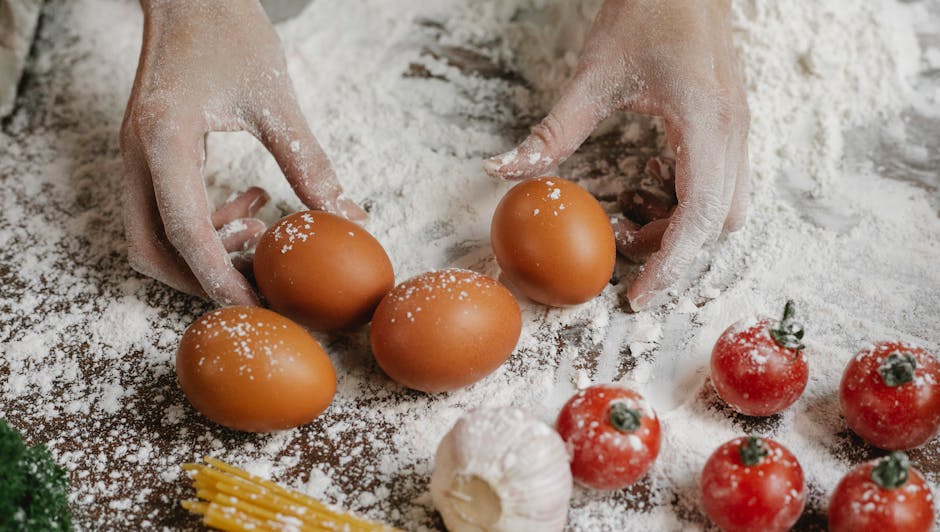
Understanding Temperature Changes in Eggs
Placing eggs straight from the refrigerator into boiling water can cause them to crack due to the sudden temperature shock. This happens because the significant temperature difference between the cold temperature of the fridge and the boiling water causes the internal pressure to rapidly expand, leading to cracks. To prevent this, it's best to let your eggs sit at room temperature for at least 30 minutes to an hour before cooking.
The Key to Boiling Eggs
When boiling eggs, it's easier to peel them if you add them to water that's already boiling, rather than starting with cold water. When eggs are heated slowly from cold water, the egg whites coagulate gradually, sticking closely to the shell. However, when you drop eggs into rapidly boiling water, the outer layer of the egg white solidifies instantly, creating a slight gap that makes peeling much easier after cooking.
Additionally, adding eggs to boiling water makes it easier to accurately time your cooking. By setting a timer based on when the water starts boiling, you can achieve your desired level of doneness, from soft-boiled to hard-boiled.
Centering the Yolk
As soon as you place the eggs in the boiling water, gently stir them in one direction with a spatula or spoon for about 2 to 3 minutes. This will help the yolk settle perfectly in the center. While the egg white is still setting, continuous rotation keeps the yolk centered and stable.
The Finishing Touch for Perfect Boiled Eggs
Once the eggs are cooked, immediately transfer them from the heat to ice-cold water. When hot eggs are rapidly cooled, the inside contracts, creating small gaps. At this stage, gently tap the eggs against each other or roll them lightly on the counter while they're in the cold water to help loosen the shells.
- After cooling thoroughly in cold water
- Add eggs to an airtight container with a little water and shake
- Peel the shell off smoothly, like peeling a tangerine
During this process, the eggs bumping against the container walls create tiny cracks, making the shells much easier to remove. Be careful not to shake too vigorously, though, as you might end up with scrambled eggs!