The Hidden Link Between Dental Health and Vitamin Deficiency
The Hidden Link Between Dental Health and Vitamin Deficiency
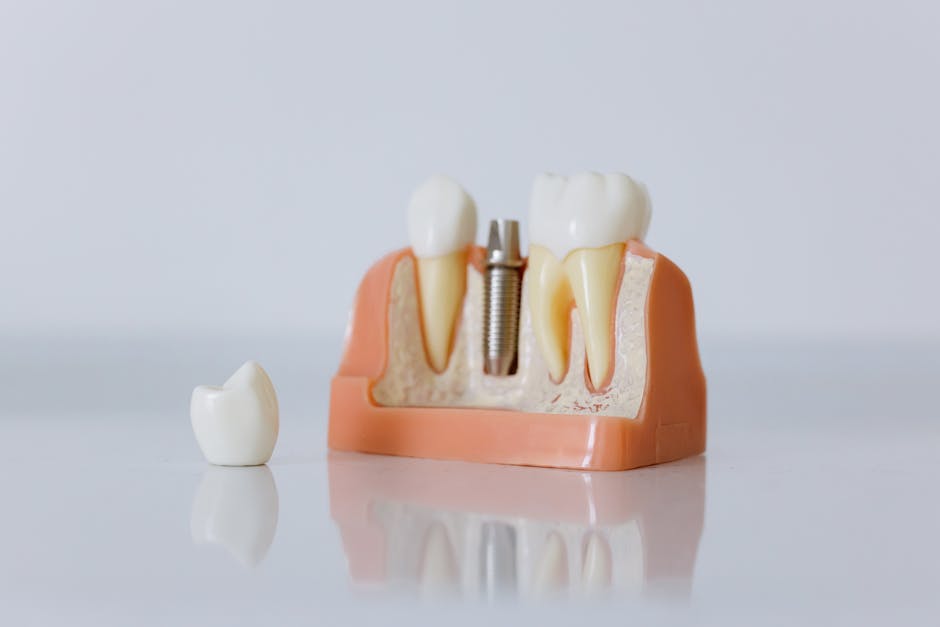
Hey everyone! Let's talk about dental health. Recently, a woman's story has captured a lot of attention. She shared that she had to have all her teeth extracted at the young age of 22, and the reason was a severe vitamin deficiency. Many people mistakenly thought she was a drug user, but it turned out to be malnutrition. She now wears dentures and wants to inspire others facing similar struggles.
How Vitamin Deficiency Impacts Teeth
This woman, Becca (25), suffered from toothaches and gum pain for a long time. She didn't receive adequate dental care as a child, and her teeth began to deteriorate rapidly around the age of 18. Finally, at 22, she was diagnosed with deficiencies in vitamins B12, D, iron, and C. These essential vitamins play a crucial role not only in tooth health but also in maintaining the health of gums, jawbones, and oral mucosa.
Prolonged vitamin deficiency increases the risk of cavities and gum disease, and can weaken the tissues supporting your teeth. The American Dental Association and the National Institutes of Health also emphasize that nutritional imbalances are a major risk factor for deteriorating oral health.
The Importance of Vitamin C
So, what role does Vitamin C play? Vitamin C is closely linked to gum health. It's essential for the production of collagen, which makes up our gums and periodontal ligaments. A lack of Vitamin C can lead to bleeding gums, swelling, and inflammation, weakening the tissues that support your teeth. Did you know that the classic symptoms of scurvy, a disease that affected sailors in the past, included bleeding gums and loose teeth?
Vitamin D, Iron, and B12
Vitamin D is vital for maintaining healthy jawbones and alveolar bones by aiding in the absorption of calcium and phosphorus. Deficiency can lead to lower bone density and weaken the alveolar bone that supports your teeth. Several studies have linked Vitamin D deficiency to an increased risk of periodontitis.
- Vitamin C: Maintains gum health
- Vitamin D: Promotes calcium and phosphorus absorption
- Iron: Maintains oral mucosa health and boosts immunity
- Vitamin B12: Aids in the growth and regeneration of oral mucosa cells
Lastly, Vitamin B12 is involved in the growth and regeneration of oral mucosa cells. Deficiency can lead to painful, red inflammation of the tongue (glossitis) and recurrent mouth sores. However, it's rare for healthy adults to lose all their teeth solely due to deficiencies in these vitamins. It's more likely that factors such as limited access to dental care, cavities, severe periodontal disease, and genetic predispositions played a role.
Conclusion
Ultimately, vitamins and minerals are crucial components for maintaining dental health. Remember the importance of regular nutritional intake alongside regular dental check-ups! What steps will you take to prioritize your dental health?