The Importance of Meals and Recovery: A Doctor's Perspective
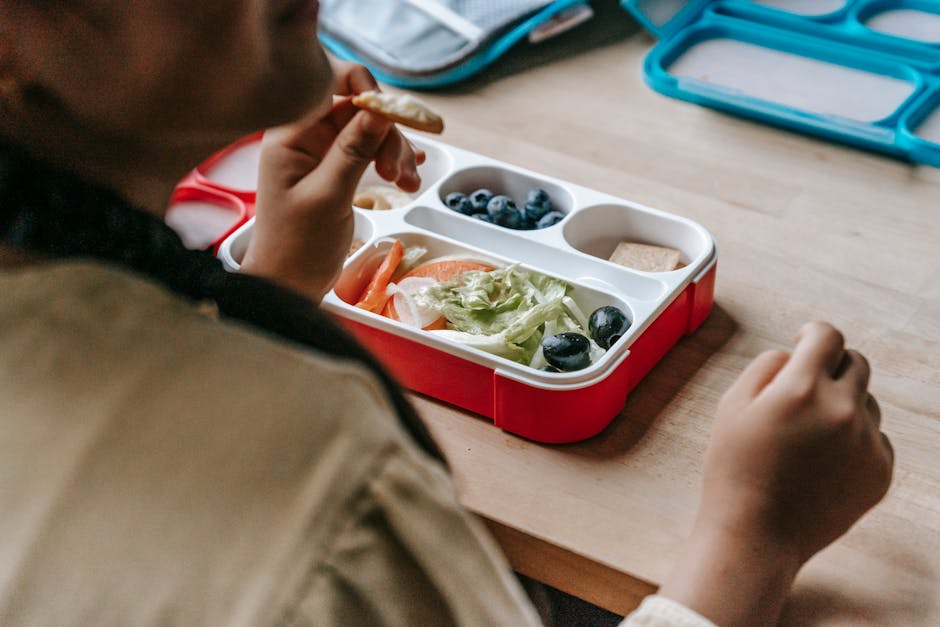
Hello everyone! Today, we're going to talk about the amazing resilience of our bodies and delve into the crucial role of 'meals' at its core. I'll share insights from my medical experience, highlighting how the things we often take for granted can possess the most potent power. Have you perhaps forgotten how vital 'eating well' truly is?
An Unexpected Truth: The Power of Nutrition
Have you heard the story from the book 'The Doctor's Thinking'? There was a baby boy adopted from Vietnam to the United States who was admitted to the hospital with severe pneumonia. He had contracted multiple rare hospital-acquired infections uncommon in the US. Initially, the medical team suspected a congenital immunodeficiency disorder, SCID, and provided intensive care in the ICU, relying on a ventilator. Despite numerous detailed tests, the diagnosis turned out to be surprisingly simple: it wasn't a rare disease, but rather severe malnutrition. Once adequate nutrition was provided, the child miraculously recovered. This case illustrates how doctors can sometimes get caught up in complex diagnoses and miss the most fundamental truth, while also reminding us of how 'nutrition,' something we take for granted, is a critical element of treatment.
I myself had a similar experience while treating a pediatric patient before becoming a hospitalist. The parents of a ten-year-old child, who was small for his age, came seeking growth hormone therapy. While ordering various tests to identify the cause of his stunted growth and asking about his appetite, lifestyle, and environment, I discovered something interesting. The parents were vegetarians, and the child was exclusively following a strict vegan diet, excluding all animal products, including eggs and milk. My conclusion at the time was clear: what this child needed wasn't growth hormone, but essential nutrients for growth. In an era where we worry about overnutrition due to abundant food, perhaps this perspective is too easily overlooked.
The Most Important Clinical Indicator in the Surgical Ward: 'Meals'
Even now, as I care for surgical patients in the surgical ward, my approach remains the same. The first question I ask during morning rounds is always: "Have you been eating?" Sometimes, patients respond with a slightly displeased look, asking, "Doctor, why do you keep asking about food? Aren't there more important things after surgery?" Of course, managing post-operative pain, checking for fever, and monitoring surgical drains are crucial in the surgical ward. However, for me, the patient's food intake is the most direct and significant clinical indicator. When a patient who has just come from the operating room starts eating well a day or two later, it's a powerful signal that their body is on a smooth recovery path. That's when I can finally feel at ease.
For surgical patients, eating is more than just satisfying hunger. Even a few spoonfuls of gruel might seem insignificant, but to the patient, it's more important than any potent medicine. This is especially true for patients with digestive cancers like colorectal cancer. Already exhausted from cancer-related pain, vomiting, and diarrhea, consuming food after a portion of the intestine has been resected and reconnected presents a significant physical and psychological challenge. Fears like, 'Is it really okay to eat?' or 'What if this one spoonful causes my surgical site to rupture?' make it difficult for patients to even pick up a spoon.
Personalized Nutritional Intervention: Scientific Support for Recovery
I recall the case of a 70-year-old colorectal cancer patient who was admitted to our ward. The surgery was successful, and although she was monitored in the ICU for a while due to heart disease, she was transferred to a general ward with stable blood pressure, no fever, and good test results. On the surface, a smooth recovery was expected. There were no significant issues with passing gas or drinking water. However, eating became a critical hurdle. On the second day after surgery, she took just one bite of gruel and then firmly closed her mouth. "The smell makes me nauseous. I can't eat because my stomach feels upset."
We were concerned about paralytic ileus, but X-rays and blood tests were all normal, and bowel sounds were present. I tried my best to reassure her: "The surgery went well, so please don't worry. You need to eat to recover quickly." But the patient shook her head and refused to open her mouth. She said she couldn't eat because the food didn't taste right. She hadn't eaten a single bite for three days. The ERAS (Enhanced Recovery After Surgery) guidelines recommend early oral intake within 48 hours after surgery, which is crucial for preventing intestinal mucosal atrophy and mitigating systemic inflammatory responses.
Instead of food, we provided 1400kcal of daily nutritional needs through IV fluids. However, during this time, the patient's thigh muscles visibly diminished, and her energy levels dropped so much that she couldn't even get out of bed. The longer the period of not eating, the slower the wound healing, and the weaker the immune system becomes, increasing the risk of infection. Simple encouragement like "Please eat well" wasn't enough to solve the situation. Therefore, I promptly requested a consultation with the Nutrition Support Team. Doctors, a specialized nurse, a clinical dietitian, and a pharmacist gathered to thoroughly assess the patient's condition. Her daughter, the guardian, also attended and shared information about the patient's usual eating habits and preferences.
- Pharmacist: "Reviewing the medications the patient is taking, could the opioid pain relievers be causing nausea by slowing down bowel movements? We might consider changing the pain medication."
- Clinical Dietitian: "The smell of warm gruel might be perceived as unpleasant. How about trying small sips of cold, less odorous roasted rice soup (nurungji sungnyung) or cold dongchimi broth? We can reconfigure the meal plan to supplement the insufficient calories with fruit-flavored nutritional drinks that are less likely to be rejected."
- Specialized Nurse: "The patient seems to have a strong anxiety that eating will cause abdominal pain. I will sit with her during meals, talk to her, and encourage her to eat a little at a time."
Synthesizing these opinions, we developed a personalized nutritional prescription for the patient. We changed the pain medication, adjusted her diet, and supplemented the insufficient calories with intravenous nutrition. We also asked the guardian to prepare snacks or side dishes that the patient usually enjoys. This was not just vague encouragement but a scientific and medical intervention tailored to the patient's condition.
The Magic of Recovery: The Power of a Single Meal
A remarkable change occurred the very next day. During the evening rounds, the patient spoke to me first. "That dongchimi broth was refreshing and okay. The nurungji sungnyung could be boiled a little longer." Half of her meal tray was empty. Once she started eating, her recovery progressed smoothly. The patient began walking the corridors, and a healthy color returned to her face. Although her hospital stay was slightly longer than anticipated, on the day of her discharge, she said with a bright smile, "Thank you for the good food. I feel alive now that I've eaten."
With the advent of robotic surgery and artificial intelligence (AI), modern medical technology has advanced remarkably. However, the greatest power that leads patients to true recovery still lies in that one meal that goes into their mouth. Only when a meal that the body can accept enters the body can even the most advanced treatments be completed with full recovery. That is why, even today, I go around the ward asking, "Have you eaten?" This question is not mere small talk. It is the most basic yet most human starting point of medical practice, confirming whether the patient is ready to return to their daily life. How about you take a moment today to consider the meals of yourself and those around you? That small attention might bring about the magic of incredible recovery.